Kanchipuram or Banarasi? Choosing the Perfect Silk for Your Big Day
Selecting a saree to wear during the wedding is also an important aspect of being a bride as it is laced with tradition and emotions. Out of so many different sarees that are considered to be worn during weddings in India, two sarees that are evergreen are Banarasi saree made of silk and Kanchipuram saree made of silk. Both sarees have different qualities when it comes to wearing them during weddings.
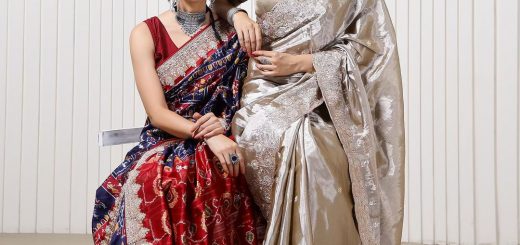
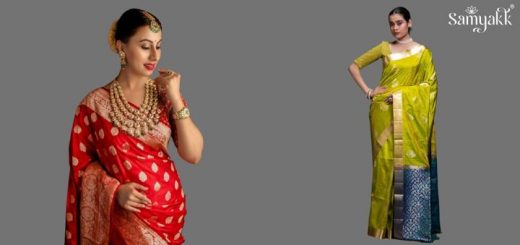
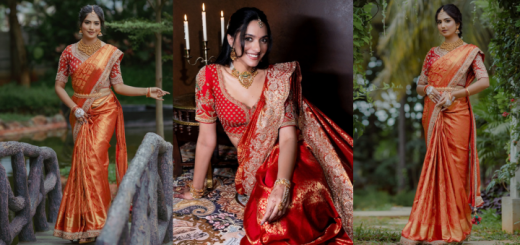
The Kanchipuram silk saree is appreciated for its strong fabric, vibrant designs on the border, and classic looks, making it the best for religious weddings. The Banarasi silk saree is adored for its softness in the fabric, intricate designs on it, and a classic finish. Knowing the differences between the two sarees will help each bride pick the right saree for her big day.


Banarasi Saree or Kanchipuram Saree: Which One Truly Belongs at Your Wedding?
Every bride reaches a point in her wedding journey when at least everything comes to a standstill for a second. Be it guest lists and rituals or something else; one thought silently takes centre stage What saree will I wear on my wedding day?
In India, many brides are limited to two popular options of legendary weaves that include Banarasi silk sarees and Kanchipuram silk sarees. Both of these fabrics are deeply rooted within traditional values and are cherished for their intricacies. However, both of these sarees also provide completely different experiences.
It is not a question of whether one saree is better than another, but whether it is apt for your wedding, your comfort level, and your persona.


A Bridal Saree Is More Than Fabric
A wedding saree is not something that you would wear for a couple of hours. It would be a part of your photographs, memories, and family history. The way it feels on your body, the way it moves with you, and the confidence that it exudes are all important.
There may be brides who like strong, classical silhouettes. Others like soft draping and detailed artistry. Awareness about what each saree entails will go a long way in making this decision smoother.

Kanchipuram Silk Saree: Strength, Tradition, and Ceremony
The silken saree from Kanchipuram is often termed as “powerful” and “regal.” This saree has its roots in the temple town of Kanchipuram, located in the province of Tamil Nadu, and has traditionally been linked with religious and South Indian wedding rituals.
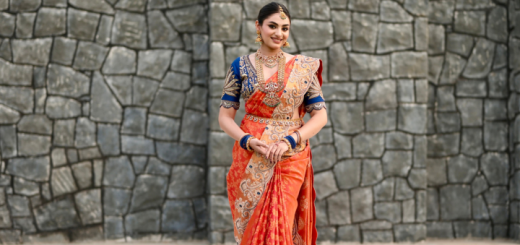
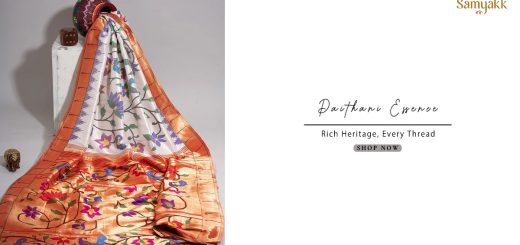
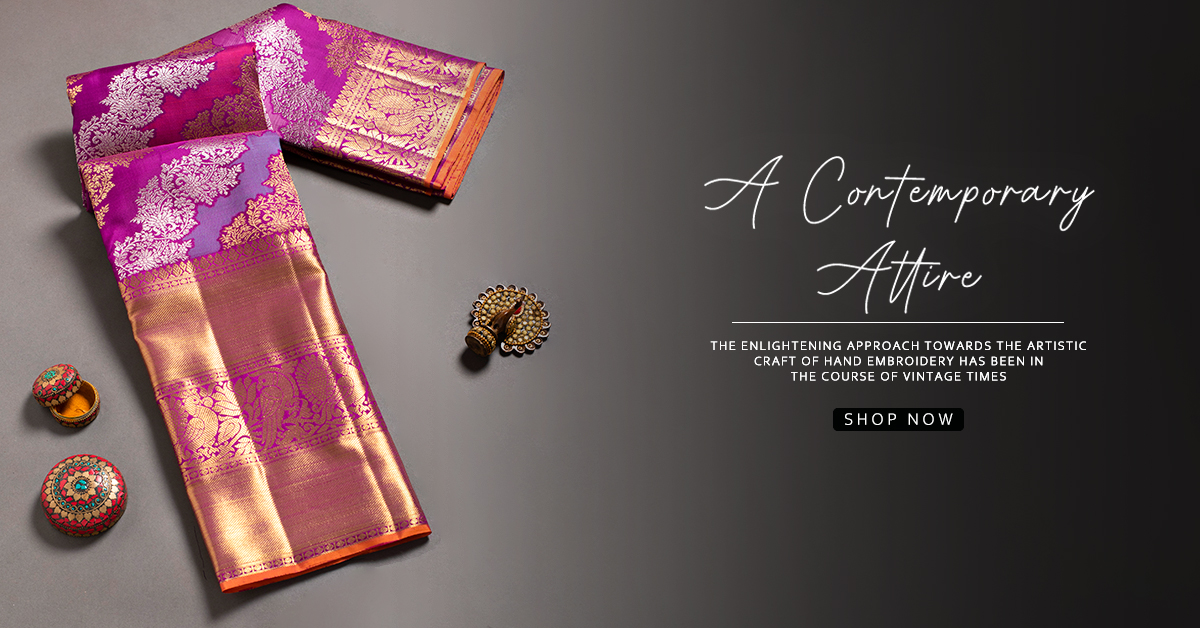
The fabric used is thick and glossy, and this causes the saree to be stiff. It drapes well and holds pleats well. The designs are broad and may include patterns such as that of the temple, checks, stripes, and peacocks. Gold zari can also be seen.
This saree is apt for brides who wish to make a strong traditional statement and also have cultural depth in their look.
Banarasi Silk Saree: Soft Elegance with Artistic Detail
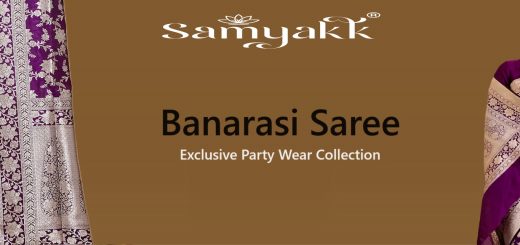
The Banarasi silk saree wears a different mantle altogether. Handwoven in Varanasi, this saree reflects centuries of refined craftsmanship influenced by Mughal artistry.
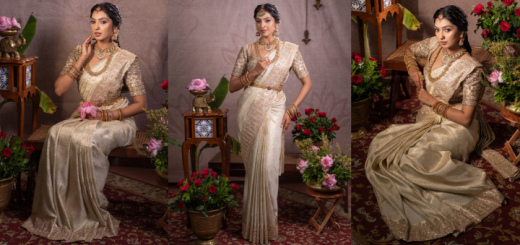
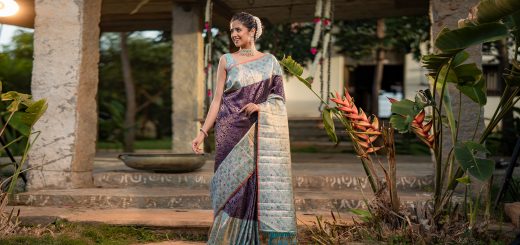
The Banarasi saree is famous for its motifs flowering vines, paisleys ‘jaals’ and ‘butis’” which find themselves intricately woven on the surface area of this grand fabric. Silk to the touch, this ensures it drapes itself perfectly on its wearers.
Instead of bold contrasts, Banarasi sarees speak of detailed beauty and gracious movement. They are ideal for brides that would like a refined, understated elegance with an artistic richness.

Craft Techniques That Define the Difference
Weaving Structure
Kanchipuram Saree
- Woven using pure mulberry silk
- Body and border are often woven separately and joined securely
- Known for durability and long life
- Designed to be passed down through generations

Banarasi Saree
- Woven using fine silk threads
- Uses complex brocade weaving techniques
- Motifs appear slightly raised, adding texture
- Focuses on detail rather than weight

Zari Work: Bold vs Delicate
Kanchipuram Zari
- Thick and prominent
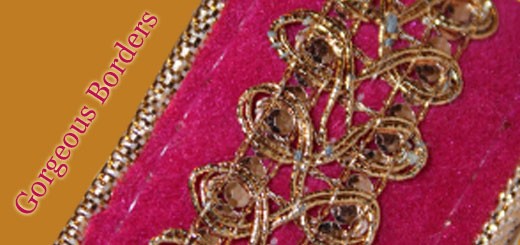
- Traditionally made with silver threads coated in gold
- Gives a strong, ceremonial shine
Banarasi Zari
- Fine and detailed
- Spread across the saree like artwork
- Creates a soft, antique glow
- Colour Stories for Different Bridal Moods
Kanchipuram Silk Saree Colours
- Traditional red, maroon, and deep green
- Jewel tones with strong contrast borders
- Gold and ivory combinations for temple weddings
- Shades that stand out in daylight ceremonies


Banarasi Silk Saree Colours
- Antique gold and champagne tones
- Soft pastels with subtle zari highlights
- Bright festive shades
- Two-tone silks with gentle shimmer

Drape, Comfort, and Ease of Movement
Kanchipuram Silk Saree
- Structured drape with firm pleats
- Holds shape throughout long rituals
- Best for traditional and temple weddings
Banarasi Silk Saree
- Soft, fluid drape
- Comfortable for long hours
- Ideal for receptions and evening functions
Choosing Based on Wedding Events
Many brides plan their saree choices around different wedding moments:
- Main wedding ceremony: Kanchipuram silk sarees are often chosen for their traditional presence and durability.
- Reception or engagement: Banarasi silk sarees are preferred for their elegant drape and detailed patterns.
- Pre-wedding functions and photoshoots: Banarasi sarees photograph beautifully due to intricate designs.
- Temple weddings: Kanchipuram sarees complement the sacred setting and rituals.
Including both sarees in the bridal wardrobe allows brides to honour tradition while enjoying variety.
There are a host of other ways in which a bride may plan her saree selection for specific occasions
- Main wedding ceremony: Kanchipuram silk sarees are chosen for their traditional look and durability.
- Reception/Engagement: Banarasi sarees made of silk are preferred due to their sophisticated look.
- Pre-wedding events and photoshoot: The Banarasi sarees are a great choice because they look
- Temple weddings: Sarees of Kanchipuram adorn the religious atmosphere perfectly.
Adding both sarees to the bridal collection ensures that the bride can respect tradition and also have variety.


The Saree That Feels Right Matters Most
Though traditions and views are beneficial for us, it is always a good idea to get final input from how the saree itself makes you feel. The wearing of a wedding saree should permit you to be able to move freely without any restrictions.
The right saree will be the one that feels like a part of you when you are wearing it and will be the one that makes you smile when you see your Wedding Album.
Conclusion
Whether you go for the structured grandeur of a Kanchipuram silk saree or the soft flowing elegance of a Banarasi silk saree, either way is lovely and a reflection of Indian heritage. Every weave has its story to tell, and a place in wedding celebrations. It should showcase your personality and reflect the tradition at the same time, but above everything, it is about feeling confident and radiant in it. Take the time to explore and try on a few drapes because when you find ‘the one,’ well, you’ll just know it.
Frequently Asked Questions (FAQs)
Which saree is better for a wedding, Kanchipuram or Banarasi?
Both sarees are perfect for weddings, and you can opt according to your choice. Kanchipuram silk sarees are apt for traditional or temple-based weddings, whereas Banarasi silk sarees are suitable for brides who want more fluid art work.
How do I choose the right saree for my wedding?
Pick a saree depending on your comfort level, your movement, your wedding customs, and your personality. The right saree for you would be one that makes you feel confident, beautiful, and yourself on your wedding day.
Which blouse designs go along with Banarasi silk sarees?
Banarasi sarees look great with sophisticated blouse designs like sweetheart necks, V-neck, transparent sleeves, and light embroidery. Less embroidered silk or raw silk blouses will also add to the fine detailing of the saree.
Also Read:-