The Royal Charm of Paithani & Patola: A guide to India’s handloom heritage
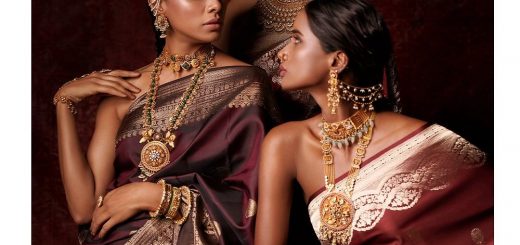
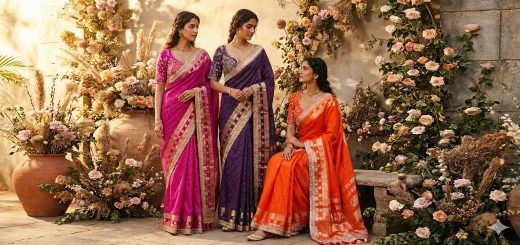
Paithani and Patola sarees are more than fashion pieces. They are demonstrative of India’s rich cultural and handloom culture. Both the sarees are symbolic of the timeless artistry and craftsmanship that are a legacy and family heirlooms. These handloom sarees have been passed down to generations and are renowned for their opulent beauty. The sarees add to the heritage value due to their auspicious motifs, luxurious silk fabric, rich zari work, and timeless designs. The uncommonness, utmost craftsmanship, and their status as rich heritage wonders set the sarees apart. Let’s delve into the allure and prestige of the timeless and artistic wonders- Paithani and Patola.
Paithani Vs Patola Sarees
Despite both being classic, royal, and premium sarees made in India, they display exclusive characteristics. In comparison, a Paithani saree is made in Maharashtra and is recognized for its bright, vibrant colour and intricate floral pattern; while a Patan Patola saree originates from Gujarat, has intricacy of weave done using the double ikat method, and is characterized by its bold, bright colours with geometric designs providing high visual appeal. Both handloom silk saree designs enhance the traditional ethnic wear collection by their unparalleled elegance, uniqueness, and delicateness.


The Grand Legacy and Origin of Paithani Sarees
The history of the Paithani sarees dates back 2000 years, and that makes Paithani sarees one of the oldest known handloom sarees in India. The sarees are associated with royalty and find their mention in Sanskrit literature. The sarees also find a touch with the Mauryan and Satavahana dynasties and are celebrated for this aristocracy. The handloom treasures from Paithan in Maharashtra had been loved and adored for their elaborate craft. The Paithani sarees, with ancient roots, became a status symbol for royals, nobles, and queens. The Paithani sarees were referred to as ‘Dev Vastra’ (fabric of God) in ancient texts. The Mughal influence, especially during the reign of Aurangzeb, developed Mughal and Aurangzebi designs. And the motifs and designs strive to date. The Nizam of Hyderabad also patronized Paithani. Under the peshwas and Nizams, the art thrived with distinct motifs like peacocks and lotuses.

The Significant Features of Paithani Saree
With these significant features, the Paithani sarees are ‘royalty’ and a bridal bliss.
- Heavy pallu Design
The most premium, rich, and handloom Paithani saree is recognized for its heavy pallu crafted with gold and silver threads.

-
Tapestry Weaving
The weaving technique of the Paithani sarees guarantees purity, authenticity, and rich quality. The entire handweaving process, known as tapestry weaving, is a century-old method that creates matchless and stunning patterns and motifs. Fine raw silk threads are used to create patterns on the weft for unparalleled richness. The complex design process and the elaborate craftsmanship of the sarees add great value and price.

-
Classic Motifs
Motifs like peacock, flowers, lotuses, asawalli (floral vine), and asharfi (coins) are popular as main decorative elements of the sarees. However, these motifs and symbols are also known for their auspicious implication.

-
Vibrant hues
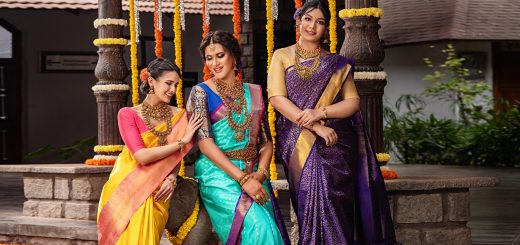
Eye-catching colour palette also makes Paithani sarees rich and deluxe. Natural dyes used as colours add natural and signature brilliance. Jewel tones and dark tones like navy blue, purple, burgundy, emerald green, and vibrant yellow are the dominant shades in Paithani sarees.

-
Zari Work
Fine gold and silver threads add appeal and are like crowning glory to the sarees. The zari work enhances the overall aesthetics of the saree.

-
Border Styles
Two types of borders- kadiyal and simple border define and enhance the whole look of the sarees. Kadiyal border is a zigzag pattern and makes the sarees exquisite.

The Grand Legacy and Origin of Patola Sarees
The Patan Patola sarees are derived from the Sanskrit word pattakulla, which means ‘silken cloth’. The Patan Patola sarees are named after the city of Patan in Gujarat. These sarees are crafted with the double ikat weaving technique. According to legend, around 700 skilled weavers from the Salvi community of Maharashtra and Karnataka came to Gujarat to serve the Solanki dynasty and introduce the Patola technique in Patan. These weavers can be credited with making Patola sarees a royal ‘desire’ and status symbols for royal patronage. The sarees started to be used as gifts, worn for religious events, festivals, and later evolved with complex designs. These factors and the prestige of the sarees earned them the epithet- The Queen of Silks. The sarees were truly the queens of cultural symbolism, rarity, and supreme status.

The Significant Features of Patola Sarees
Some factors make the sarees extraordinary and timeless.
-
Double ikat weaving
The sarees achieve ultimate weaving perfection with warp and weft thread alignment. The double weaving makes the sarees special as both sides of the saree carry the same clarity and colour intensity.

-
Reversible artistry
There is no wrong or back side for this handloom silk saree, as one can wear a Patan Patola saree inside out and upside down. The saree looks the same from both sides. The identical pattern on both sides adds beauty and grace to the sarees. No blurry pattern and colour intensity of the Patola sarees is also an identifier of genuine handwoven Patan Patola sarees.

-
Rich silk Fabric
High-quality mulberry silk is used in the traditional weaving of Patola sarees. Vibrant dyes made with natural materials such as turmeric, indigo, and marigold are used for crafting the ethnic sarees.

-
Motifs and Designs
The symmetry of the motifs is one of the hallmarks of the saree. Motifs such as mirrors or geometrical designs are repeated in a harmonious and balanced way to achieve a visually appealing design. Elephants, grid patterns, nari–kunjar, flowers, and parrots are a few of the favourite motifs and main designs used for sarees. Animal, bird, and flower motifs are considered auspicious.

Samyakk is home to an exquisite range of authentic and pure heritage sarees crafted from handloom silk, such as Patan Patola, and pure Paithani sarees online. Women can flaunt their classic and traditional fashion quotient at weddings, parties, and festivals with the colourful, graceful, and unparalleled collection of Paithani and Patola sarees. Samyakk is a destination where fashion meets royalty and elegance. The fashion brand offers some sought-after designs featuring the finest double ikat weave, natural dyes, high-quality silk, and significant motifs. You can grab the heritage sarees at Samyakk.com at the best and most affordable prices.
Frequently Asked Questions (FAQs)
What is the main difference between Paithani and Patola sarees?
Paithani sarees are popular for the heavy zari work on the pallu and motifs like peacocks and lotuses. Patola sarees features complex double ikat weaving pattern and geometric patterns. The Paithani saree looks identical from the front and back. Paithani has its distinctive look from rich gold and silver zari work. Patola’s double ikat creates mosaic-like patterns.
Are both the handloom sarees, Paithani and Patola, crafted from silk fabrics?
Yes, both Paithani and Patola sarees are crafted from handwoven silk fabrics, which makes the sarees soft, rich, and luxurious.
What type of blouses can be paired with Paithani and Patola sarees?
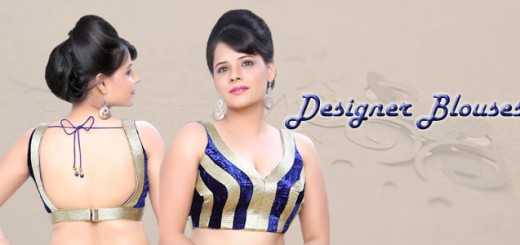
Embroidered blouses, blouses in rich silk texture, or classic and traditional blouses in brocade can be paired with these sarees. The blouse must complement the royal, heritage, and traditional feel of the sarees. However, if you are a keen fashionista, you can tweak the look with designer blouses featuring modern cuts and patterns.
Also Read:-
Say Goodbye to Churidar: Why Palazzo Suits Are the New Festive Staple