Indowestern Vs Traditional Sherwani: What’s the Difference?
Let’s be real for a second, shopping for wedding wear can quickly turn into a massive headache. Out of everything out there, though, absolutely nothing completely changes how you carry yourself quite like a great Sherwani for Men. Whether you happen to be the groom getting ready for the biggest walk of your life, a best man trying to keep the chaotic schedule on track, or just a guest who wants to look his absolute best, deciding on your outfit is a huge call. These days, ethnic fashion has evolved way past the standard, old-school silhouettes we used to see everywhere. Now, most guys find themselves caught between two major styles: the time-tested Traditional Sherwani and the modern Indowestern Sherwani.
Picking between them isn’t just about grabbing a color that catches your eye; it sets the entire vibe for how you show up. Are you trying to go for a totally classic, old-school look that respects your family heritage, or do you want to try something way more modern and experimental? Let’s break down the actual, real-world differences in cuts, fabrics, and styling choices so you can lock in the perfect Wedding Sherwani for your celebrations.


The Roots of the Traditional Sherwani
To really understand where the modern Wedding Sherwani gets its design DNA, you have to look at history. This isn’t just clothing; it’s a piece of living heritage that goes all the way back to royal Mughal courts. Because of that specific background, the entire garment is engineered to project weight, structure, and absolute presence the very second you walk into a room.
Silhouette and Cut
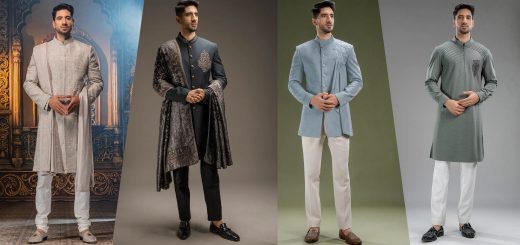
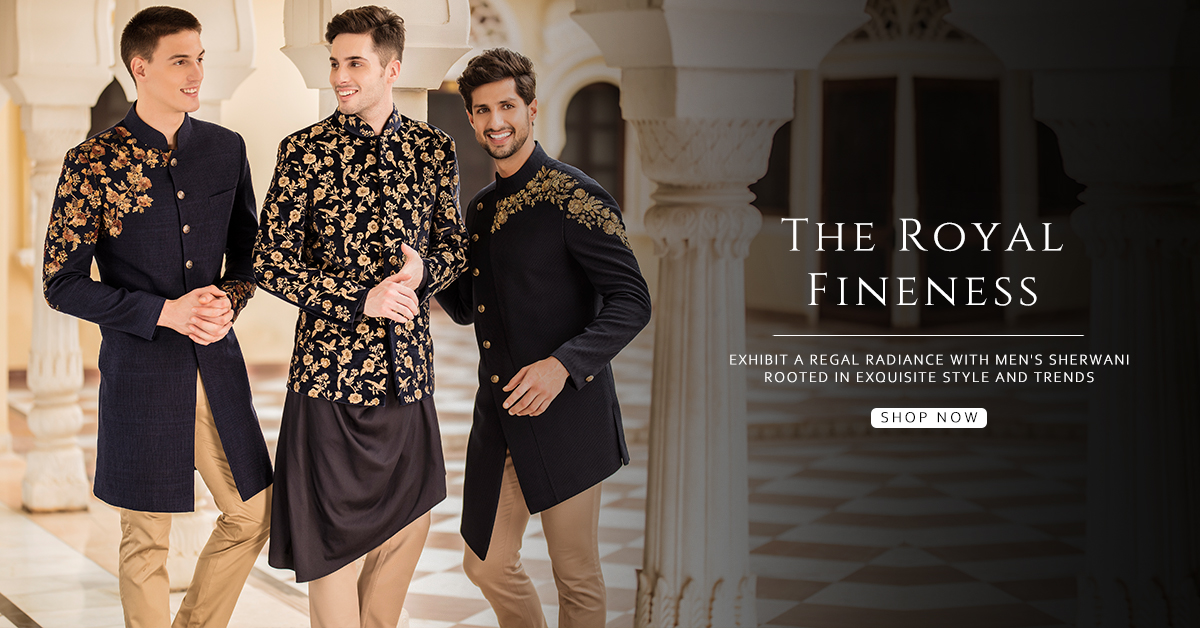
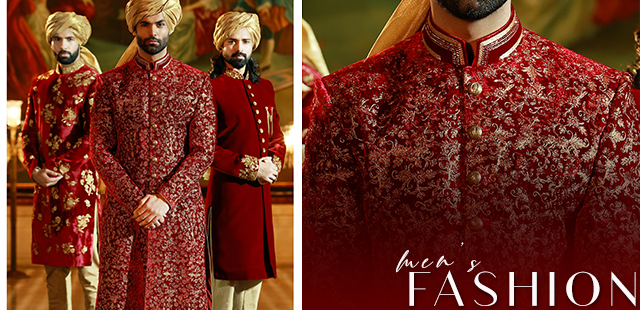
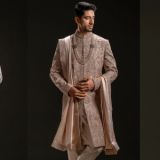
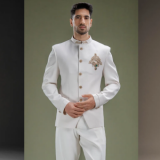
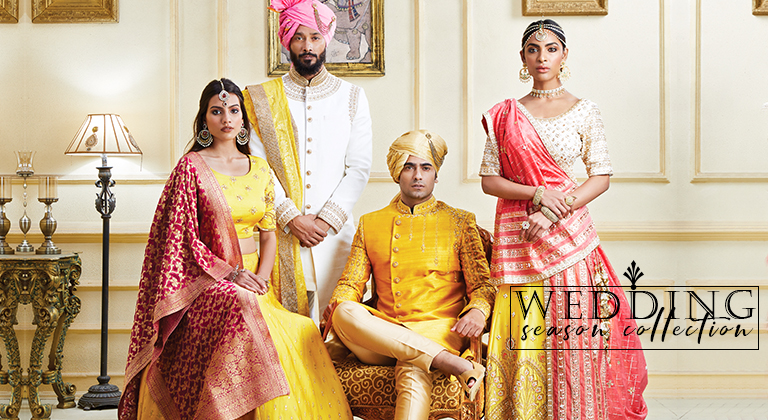
The single biggest giveaway of a classic sherwani is its strict symmetry. It features a sharp, straight front opening that drops down past the knees without any deviation. The tailoring is kept incredibly close through the chest and torso, which gives you an instantly elongated, upright posture. It is finished off with a stiff, standing Mandarin collar—often called a Bandhgala—that frames the neck perfectly.
Fabrics and Embellishments
If your main goal is pure opulence, the traditional route is definitely the way to go. These pieces rely on heavy, highly structured luxury materials like pure Banarasi silk, intricate raised brocades, raw silk, and thick premium velvet that hold their shape no matter what. When you look at the Latest Sherwani Designs on the traditional side, the surface work is incredibly intense. Crafters spend hours on dense Zardozi (metallic thread work), Resham embroidery, and hand-stitched pearls or gemstones, making every single inch of the fabric feel heavy, intentional, and expensive.


The Rise of the Indowestern Sherwani
Fashion never really stands still, and modern guys eventually started asking for clothes that offered a bit more fluid comfort and room to breathe without sacrificing style. That is why designers came up with the Indowestern Sherwani—they basically took traditional Indian patterns and combined them with standard Western suit cuts.
Silhouette and Cut
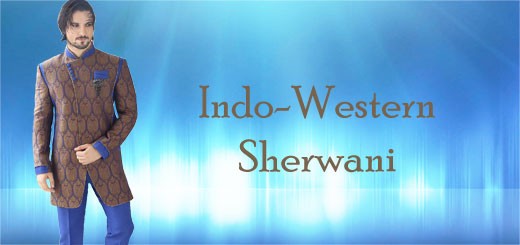
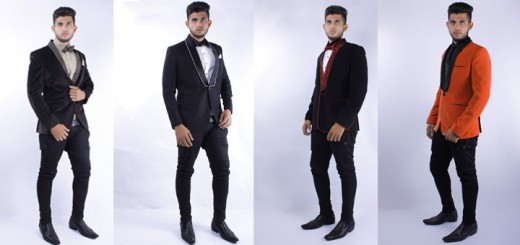
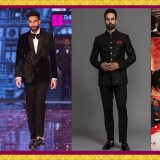
Where the traditional look is strict and perfectly even, the Indowestern version loves to experiment. You will routinely see things like asymmetrical hemlines, diagonal button lines, overlapping front coat styles inspired by Western double-breasted suits, and lengths that vary from mid-thigh to the upper calf. The armholes and shoulders are usually cut using modern suit patterns, giving you a sleek fit that lets you move your arms around and hug people without feeling totally restricted.
Fabrics and Textures
While it still uses silk and velvet here and there, the Indowestern palette leans heavily into lighter, more flexible textiles. Designers love using premium Italian suiting fabrics, jacquards, matte linens, and smooth crepes. Instead of covering the whole outfit in heavy metal threads, these garments keep it low-key. The focus shifts to the natural weave of the fabric, subtle self-textured patterns, or clean architectural pleats.


Core Breakdown of Differences
If you just want a quick mental picture of how these two options actually stack up against each other, here is a simple breakdown of their defining traits:
- Hemline & Balance: Traditional options stick to perfect symmetry and straight cuts below the knee. Indowestern cuts break the rules with uneven lines, angular slants, and shorter lengths.
- Bottom Wear Companions: A traditional look almost always requires a bunching Churidar or classic Dhoti pants. The Indowestern style drops that completely, pairing perfectly with slim-fit trousers or sleek cigarette pants.
- Embroidery Profiles: Classic outfits are all about heavy, shining Zardozi and massive detail. The fusion alternative favors minimalism, using tonal stitching or letting the texture of the fabric do the talking.
- Accessory Requirements: Going traditional means matching a Dupatta (shawl), a Safaa (turban), and layered necklaces. Indowestern cuts look best clean—usually just a simple pocket square or a cool brooch is all you need.
- Overall Aesthetic Vibe: The traditional choice looks very formal, grand, and serious for a big ceremony. The newer style looks a lot more relaxed, current, and simple to wear.


How to Choose the Right Style for Your Event
Neither choice is better than the other; it really just comes down to the vibe of your specific celebration, how comfortable you want to be, and the theme of the wedding.
When to Go Traditional
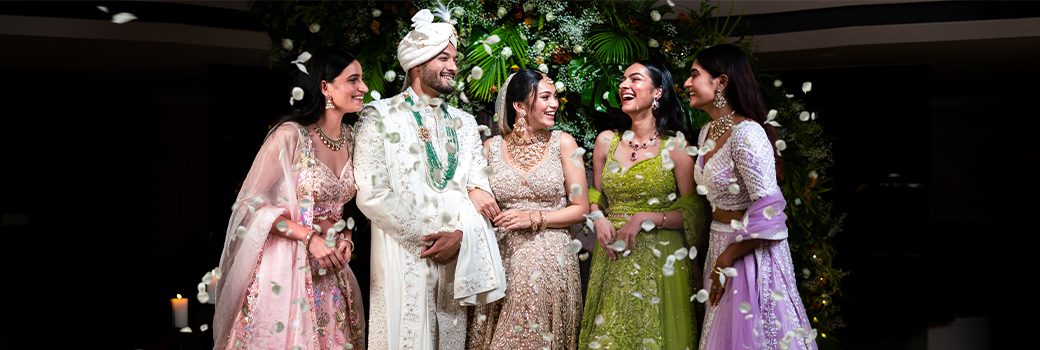
The classic look is still the absolute king for the main wedding ceremony. If you are standing under the mandap in a massive banquet hall, a historic palace, or a deeply traditional setting, it makes sense to match that energy. If you are the groom, a traditional ivory, gold, or deep maroon outfit honors family customs beautifully. Plus, it gives you that iconic, timeless look that holds up perfectly in photos decades from now.
When to Choose Indowestern
The Indowestern style absolutely shines during events that are all about socializing, dancing, and having fun. It is the perfect option for sangeet nights, cocktail hours, engagement dinners, or the reception party. Because it is way lighter and cut with more flexibility, you can actually move around, talk to guests, and dance without sweating through pounds of heavy metal embroidery. It is also a massive lifesaver for outdoor summer events or destination beach weddings.


Conclusion
The world of men’s ethnic clothing has grown so much over the years, giving you total freedom to choose a look that actually fits who you are. Whether you love the regal, heavy details of a Traditional Sherwani or prefer the sharp, clean lines of an Indowestern Sherwani, just make sure you invest in great tailoring. Take a look at the Latest Sherwani Designs, pick what makes you feel like yourself, and wear it with total confidence on the big day. If you want to check out some real options, you should look up ethnic wear stores like Samyakk because they have a huge variety of both styles specifically made for grooms who want to find something easily.
Frequently Asked Questions (FAQs)
Is it okay to wear an Indowestern style for the actual wedding ceremony?
Yes, definitely. Even though old-school styles are the normal groom choice, a lot of guys now pick sharp Indowestern looks in deep colors like emerald green or dark navy for the main wedding.
What type of footwear works best with these different styles?
Traditional outfits naturally match up with embroidered Mojris or classic Juttis. If you go with an Indowestern look, you can just wear normal leather loafers, dress shoes, or monk straps.
Is a dupatta mandatory when wearing a Wedding Sherwani?
A dupatta (stole) is pretty much essential if you want to complete that royal traditional aesthetic, but you can skip it completely for Indowestern styles, which are built to look clean and minimalist.
Also Read:-
Sharara Suit Buying Guide: What No One Tells You Before You Shop