The Ultimate Guide to the Saree: History, Styles, and Cultural Significance
The saree is one of the world’s oldest, most enduring, and visually stunning fashion garments. Far more than just a piece of clothing, it is a living symbol of cultural pride, artistic heritage, and timeless elegance. If you are researching the origins, variations, and meaning behind this iconic South Asian attire, this comprehensive guide covers everything you need to know.
What is a Saree?
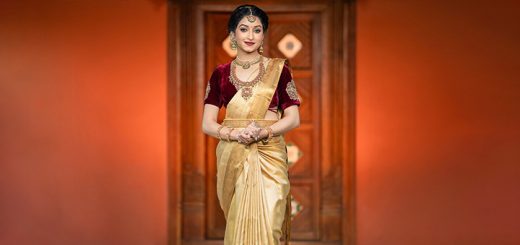
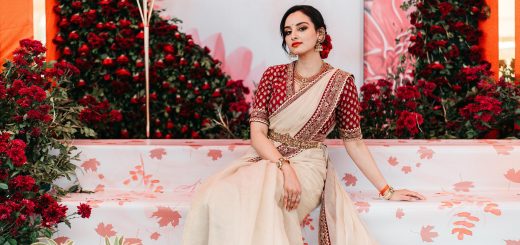
A saree (frequently spelled sari) is a traditional unstitched garment worn primarily by women in South Asia, including India, Bangladesh, Nepal, and Sri Lanka. At its core, a saree is a single continuous strip of fabric, typically ranging from 4.5 to 9 metres (15 to 30 feet) in length and 60 to 120 centimetres (24 to 47 inches) in width. Instead of relying on zippers, buttons, or tailored stitches to fit the body, the saree is wrapped gracefully around the waist, pleated by hand, and draped across the upper body.

The Three Parts of a Saree
Every traditional saree is divided into three distinct sections:
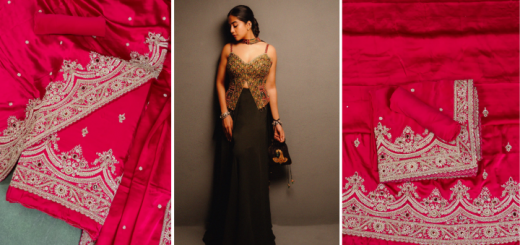
- The Border (Kinari): This runs along the entire top and bottom edges of the fabric. The border provides structural weight to help the garment hang properly and often features intricate embroidery or contrasting colors.
- The Body (Field): This is the main, expansive section of the fabric that wraps around the waist and forms the front pleats. It can be completely plain, printed with motifs, or heavily embellished.
- The Pallu (Anchal): This is the highly decorative end piece of the saree that drapes over the shoulder or head. The pallu is usually the most ornate, visually striking part of the entire garment.
The Traditional Undergarments: Blouse and Petticoat
A saree is rarely worn entirely on its own. To secure the drape and ensure comfort, it is paired with two essential accompanying garments:
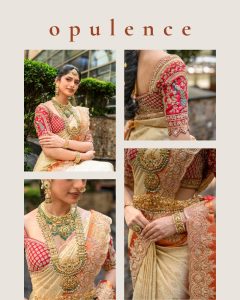
- The Blouse (Choli): A fitted crop top that ends just below the bust. It can feature short sleeves, long sleeves, or modern sleeveless designs, leaving the midriff exposed.
- The Petticoat (Parkar/Inskirt): A waist-to-ankle underskirt tied tightly around the waist with a drawstring or waistband. The saree fabric is securely tucked into the petticoat to hold the entire structure in place.
The History and Ancient Origins of the Saree
The word saree originates from the Sanskrit word “sati,” which literally translates to “a strip of cloth”. The history of this garment dates back more than 5,000 years to the Indus Valley Civilization (2800–1800 BCE). Archaeological findings from this era, including ancient figurines and priest statues, depict figures wearing long textiles wrapped around their bodies.
Historically, the unstitched nature of the saree was rooted in ancient spiritual beliefs. In ancient India, it was widely believed that piercing or stitching a fabric rendered it impure. Consequently, wrapping an uncut piece of cloth was considered the most pure, versatile, and respectful way to dress. Over centuries, as different royal dynasties and trade routes influenced the Indian subcontinent, the garment evolved with advanced weaving techniques, natural dyes, and diverse regional draping styles.

Popular Types of Regional Sarees
India’s vast cultural diversity has given rise to hundreds of unique saree varieties. Each region utilizes its own signature fabric, weaving techniques, and cultural motifs. Here are the most famous types:
-
Banarasi Saree (Uttar Pradesh)
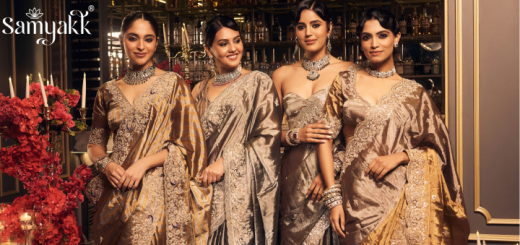
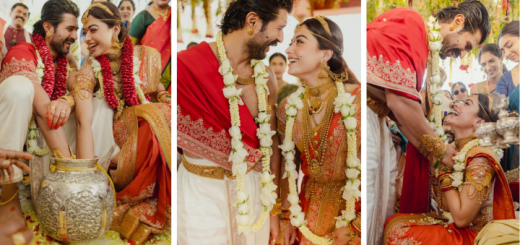
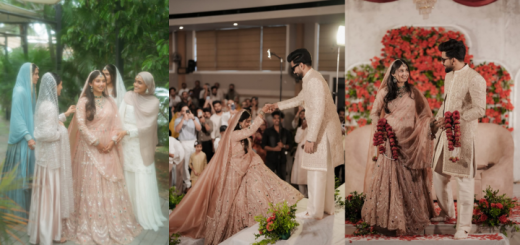
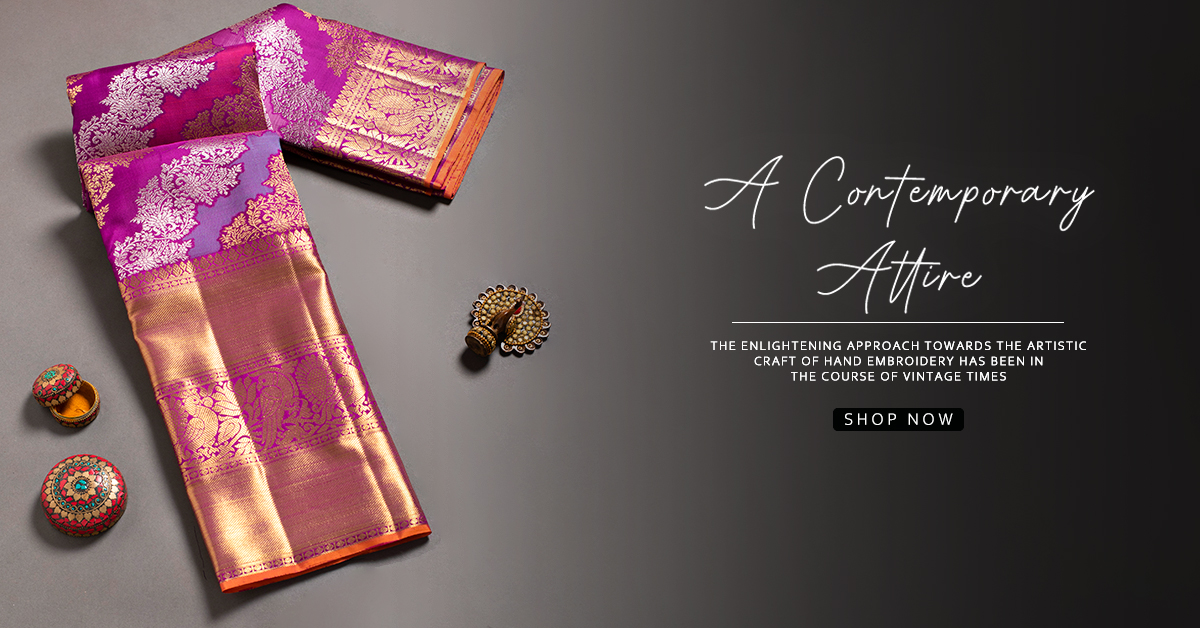
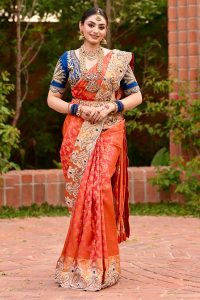
Hailing from the holy city of Varanasi, these luxurious silk sarees are famous for their heavy gold and silver brocade work, known as zari. Because of their opulence, they are highly sought after for weddings and grand celebrations.

-
Kanjeevaram Saree (Tamil Nadu)
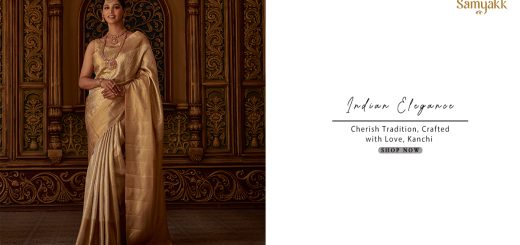
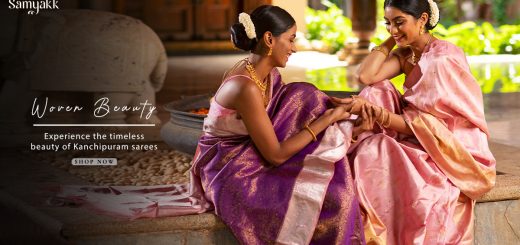
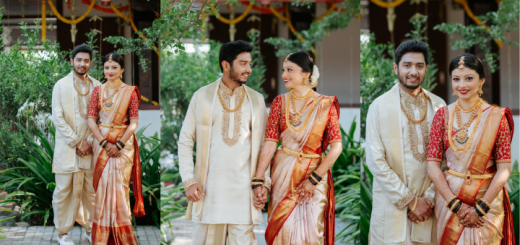
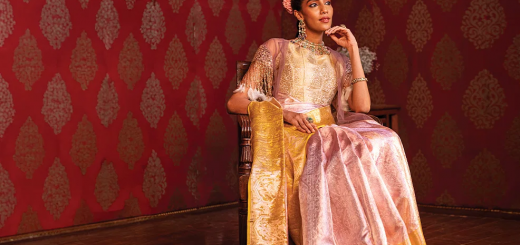
Originating from the town of Kanchipuram, these sarees are crafted from pure mulberry silk thread. They feature wide, contrasting borders decorated with temple designs, checks, and traditional South Indian motifs like peacocks and mangoes.
-
Chanderi Saree (Madhya Pradesh)
Produced using a blend of fine silk and high-quality cotton, Chanderi sarees are celebrated for their lightweight, sheer texture and glossy transparency. They are perfect for warm climates and semi-formal events.

-
Bandhani Saree (Gujarat & Rajasthan)
Created using an ancient, highly skilled tie-and-dye method, Bandhani sarees feature vibrant primary colors and complex geometric patterns made of thousands of tiny, hand-tied knots.

-
Contemporary Sarees (Chiffon & Georgette)
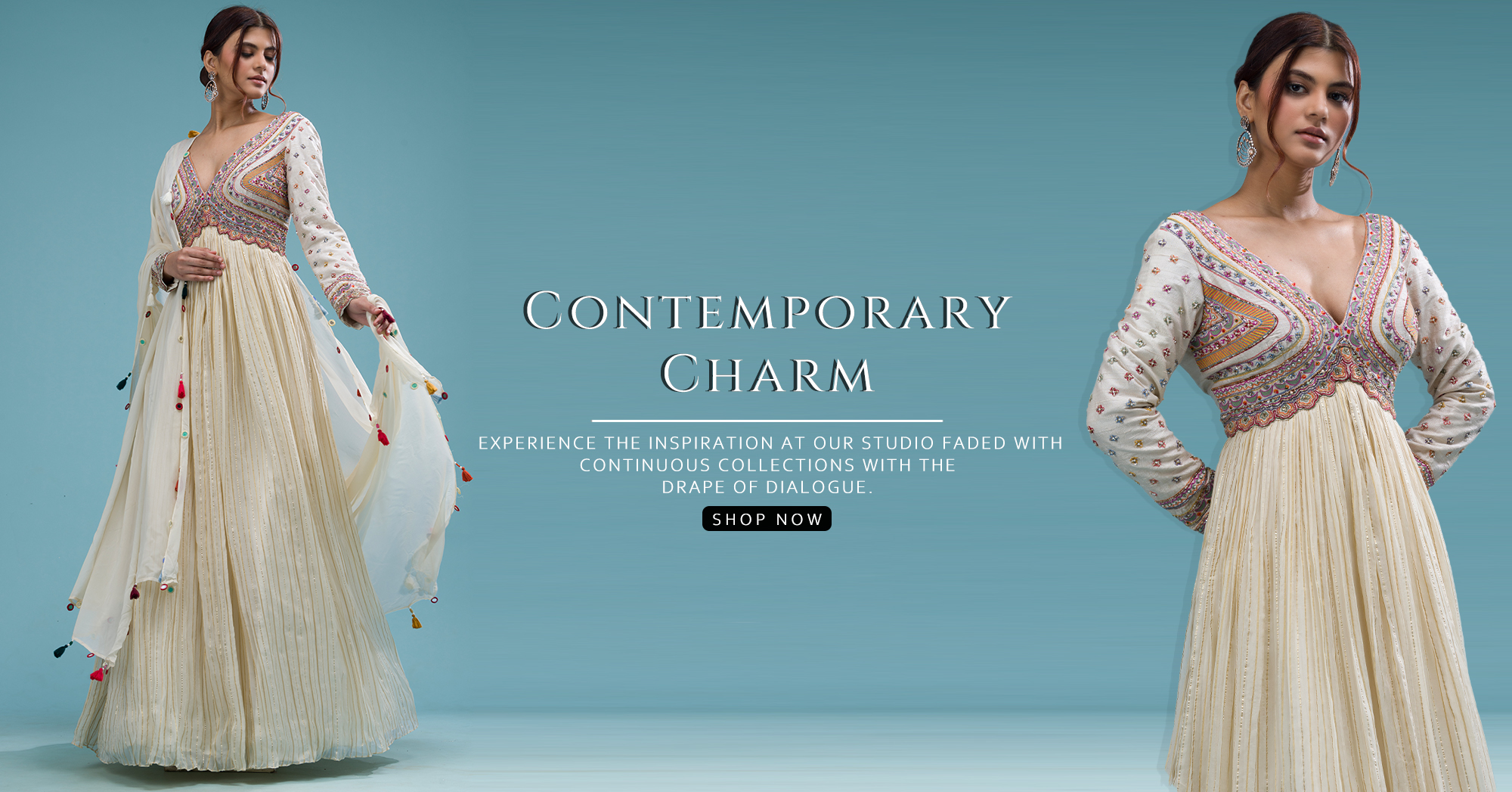
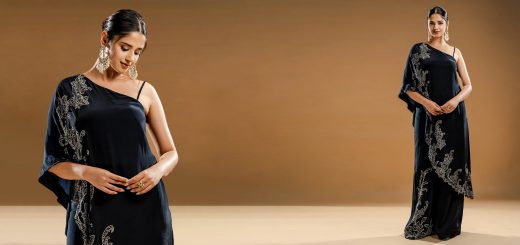
Modern variations made from lightweight synthetic or blended silk fibers offer a fluid, body-hugging drape. These have become immensely popular in everyday Indian fashion and Bollywood cinema due to their lightness and ease of wear.


How to Drape a Saree: Step-by-Step
While historians have documented over 80 regional draping styles across South Asia, the Nivi drape is the most universally recognized style today. Here is how to achieve the classic look:
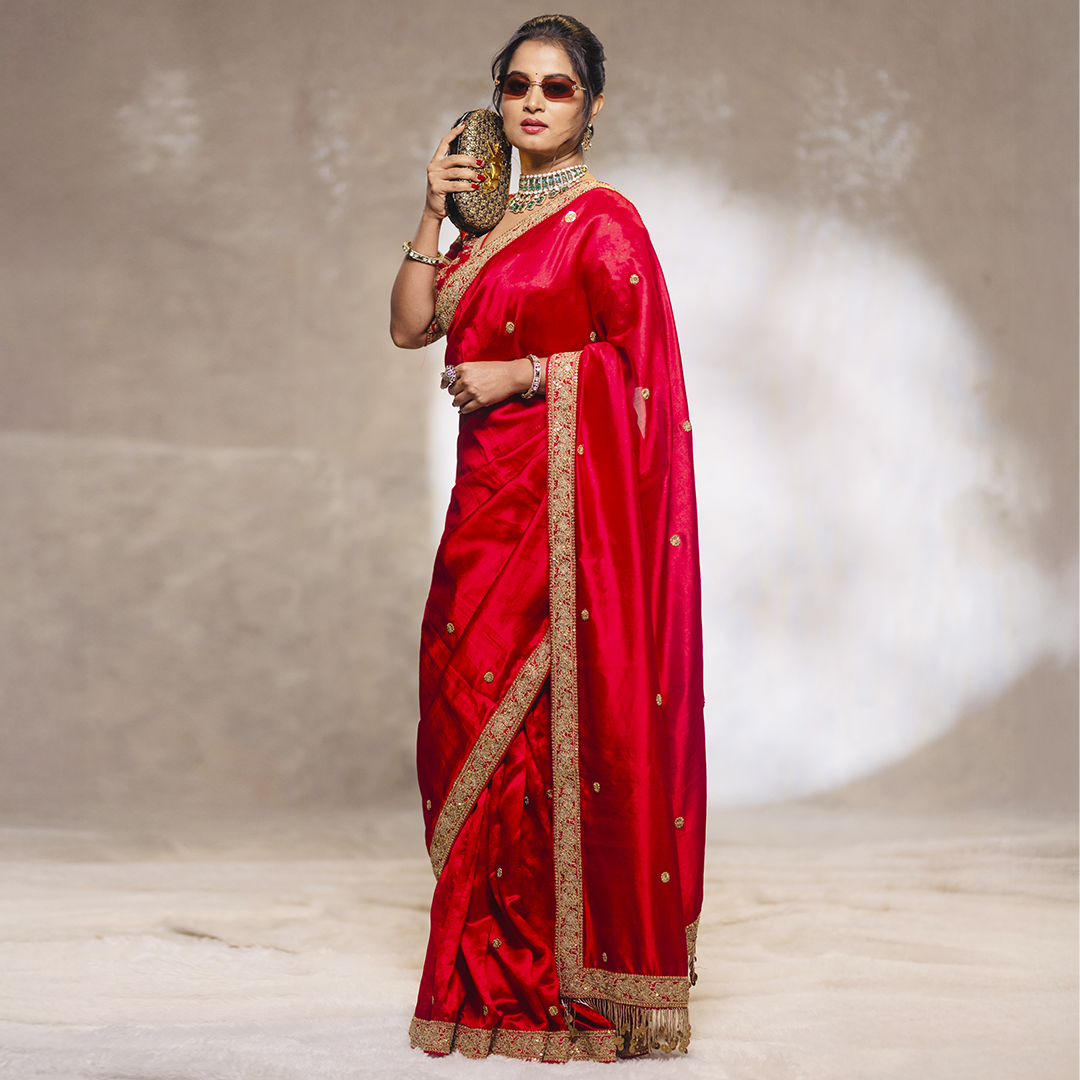
- Step 1 – The Base Tuck: Start by holding the plain end of the saree. Tuck it securely into the waistband of your petticoat at the right hip, and complete one full clockwise rotation around your waist, ensuring the bottom hem just touches the floor.
- Step 2 – The Pallu Measurement: Take the remaining outer end of the saree (the decorated pallu), bring it around your back from the right side, and throw it gracefully over your left shoulder to measure the length you want.
- Step 3 – Making the Pleats: With the loose fabric remaining in the front, use your thumb and forefinger to fold the cloth back and forth into 5 to 7 neat, even pleats (each about 4 to 5 inches wide).
- Step 4 – Securing the Pleats: Gather the pleats together neatly, press them flat, and tuck them directly into the petticoat just below your navel, facing toward the left side.
- Step 5 – Finishing the Shoulder: Arrange the fabric smoothly across your chest and secure the pallu to your blouse at the left shoulder using a safety pin to prevent it from slipping.
Why the Saree Remains Timeless
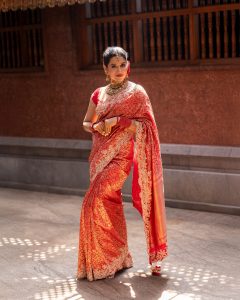
The saree’s enduring popularity lies in its unparalleled versatility and deep emotional connection. Because it is a completely unstitched piece of fabric, a single saree can fit any body shape, size, or height perfectly, rejecting the rigid constraints of modern fast fashion. It completely transcends age, generation gaps, and fast-moving global trends—seamlessly transitioning from a casual daily outfit to sharp corporate formalwear, and ultimately to opulent, heavy bridal attire.
More importantly, it serves as a beautiful multi-generational bridge. It is incredibly common for a granddaughter to wear her grandmother’s vintage silk saree, keeping family memories and heritage alive through fabric. Today, global designers and fashion enthusiasts celebrate the saree not just as an ancient cultural artifact, but as a masterpiece of sustainable, fluid fashion that will never go out of style.
People Also Ask (PAA)
What is the purpose of a saree?
The purpose of a saree is to provide a versatile, elegant, and culturally respectful garment that fits any body shape without requiring custom tailoring. Historically, it offered comfort and breathability in hot South Asian climates while adhering to traditional dress codes.
Is a saree hard to wear?
While it can seem intimidating to beginners, wearing a saree is not inherently difficult once you understand the basic mechanics of pleating and tucking. With a little practice or the help of safety pins, the drape becomes highly secure and comfortable for all-day wear.
Can anyone wear a saree, or is it cultural appropriation?
Anyone can wear a saree, regardless of their cultural background, provided it is worn with respect. Embracing the garment for weddings, festivals, cultural events, or appreciation of textiles is widely welcomed and celebrated as cultural appreciation by South Asians.
Why is the midriff exposed when wearing a saree?
In ancient Indian culture, the midriff was viewed as the source of life, creativity, and energy (the Nabhi or navel), and exposing it was not considered immodest. Additionally, leaving the midriff bare allows for greater physical flexibility and keeps the body cool in tropical heat.
What is the difference between a sari and a saree?
There is no difference between a sari and a saree; they are simply two different English spellings for the exact same garment. “Saree” is more commonly used in India, while “sari” is frequently seen in Western countries and international dictionaries.
Also Read:-
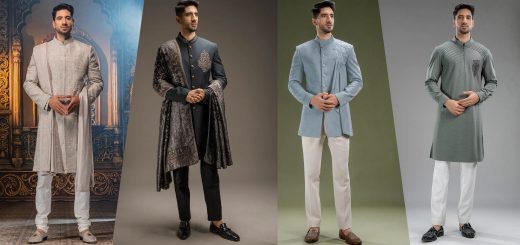
Jodhpuri Suit for Men: The Ultimate Style Guide for Weddings