The Cultural Heritage And Significance Of Paithani Sarees
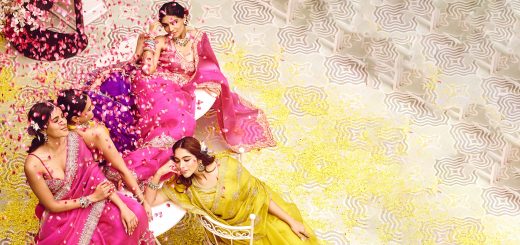
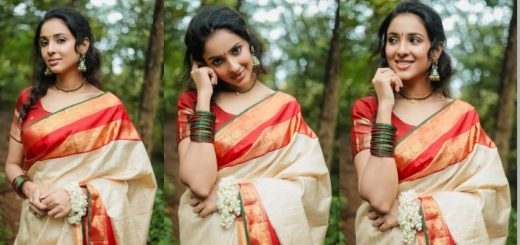
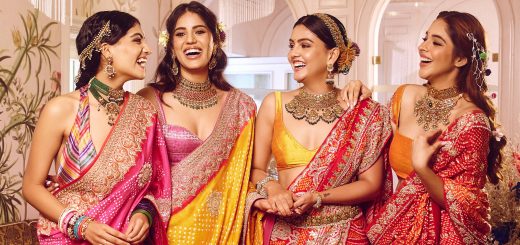
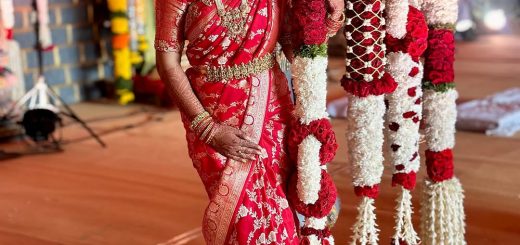
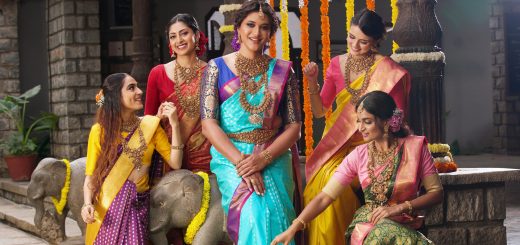
Paithani sarees are more than just exquisite garments. They signify rich Maharashtrian tradition and culture. They are interwoven with sentiments, emotions, royalty, culture, and elegance. The cultural heirloom boasts stunning craftsmanship, and this makes these sarees an essential bridal trousseau. These sarees are considered auspicious and blissful attire and are an integral part of festivals, weddings, and South Indian celebrations. Paithani sarees are a gift of legacy and emphasize the importance of a cultural artifact. Let’s look at the significance of these sarees in terms of history, richness, beauty, patterns, designs, and more.
History & Origin
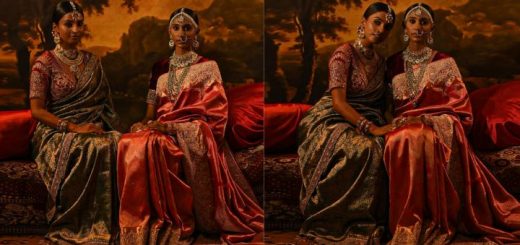
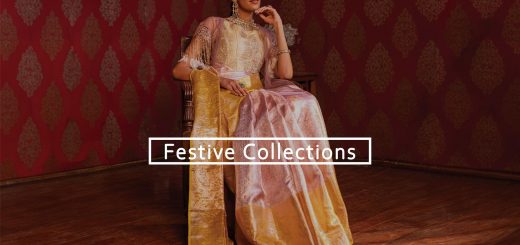
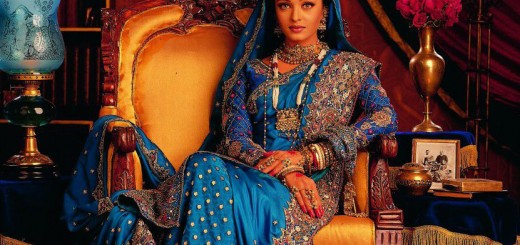
These sarees originated in the ancient city of Paithan in Maharashtra and have a history that dates back over 2000 years. The majestic sarees have their roots in the Satavahana dynasty and were originally made from the finest silk threads from China. Pure zari was used to craft these sarees, which are bespoke in the finesse of Indian handloom. Lavish use of gold thread or gold zari that offers a characteristic shine and luxurious look to sarees. Paithani is known as the ‘queen of silks’ and is synonymous with heritage and royalty. Traditionally, only royal and elite women could afford these masterpieces, but over the years, with modern interpretations, every woman wants to embrace the timeless heirloom.

How Paithani Sarees Are Made
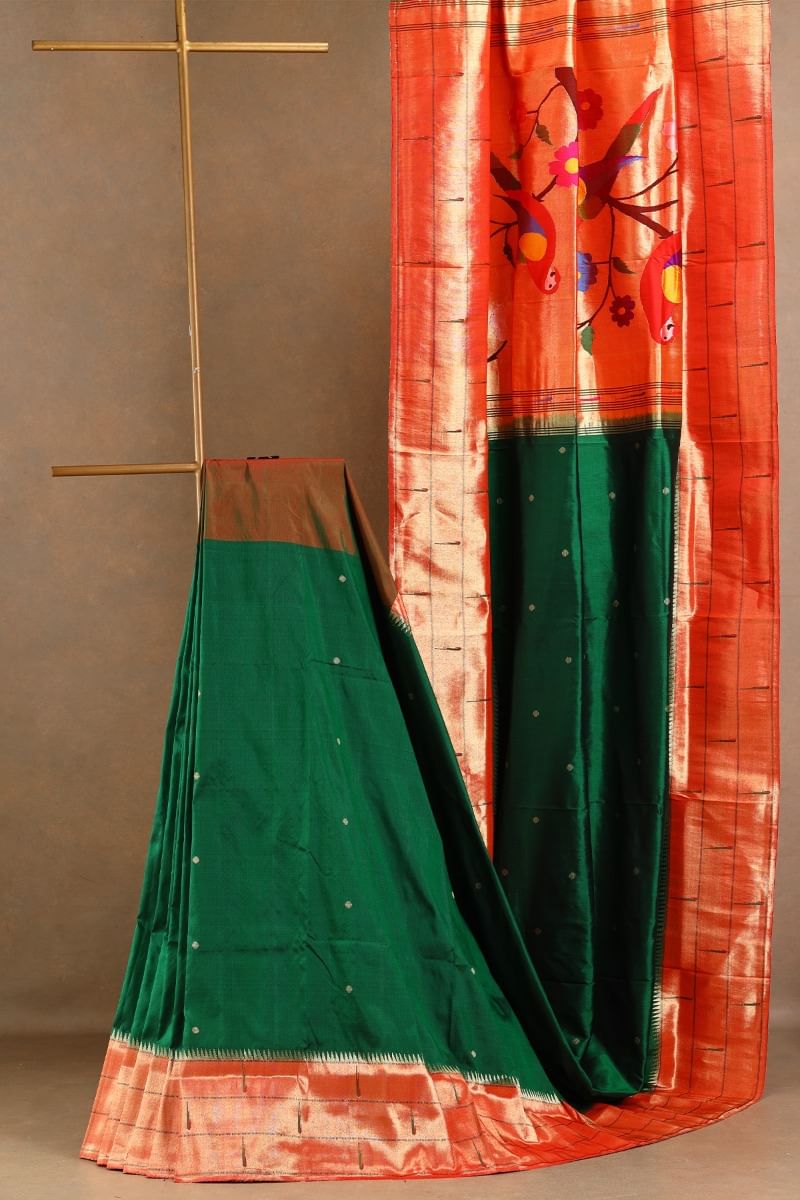
Behind the luscious loom of Paithani sarees lies the story of hard work, labour, exquisite craftsmanship, and a lot more. Designing the pattern, preparing the loom, dyeing the fabric of silk or cotton, and weaving the saree on a traditional handloom tool are a few of the processes involved in crafting the gorgeous Paithani sarees. The intricate weaving involves a labor-intensive process that also requires patience and dedication. Choosing the materials such as fabric, silk thread, zari thread, etc, is the foundation of making these Maharashtrian sarees. Dyeing threads using vibrant colors helps a saree achieve a characteristic of bold and contrasting colors. Warp and weft preparation and arranging threads lengthwise and crosswise is a meticulous set-up. Then comes the heart of the craftsmanship, which is hand-weaving and can take weeks or even months to complete. Creating the border, pallu weaving, and body weaving with signature motifs are special and tedious processes.
Iconic Motifs & Their Meaning: Decoding the Designs
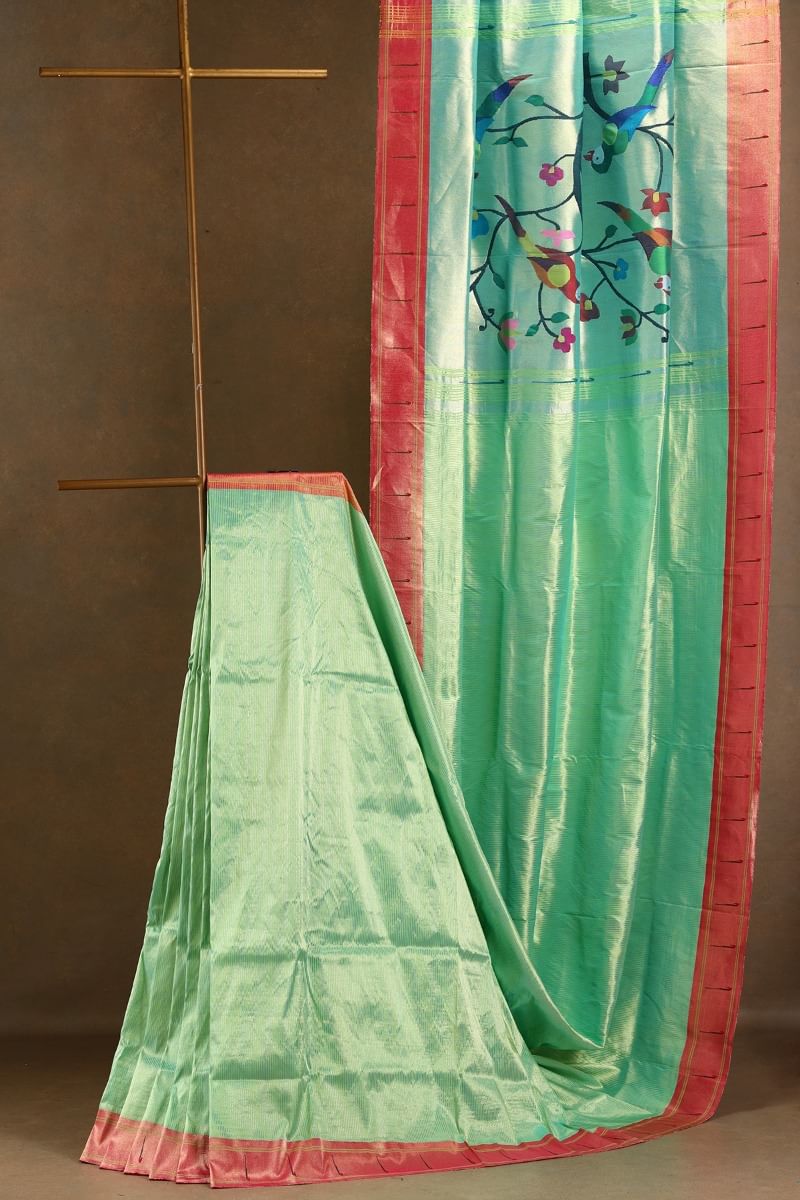
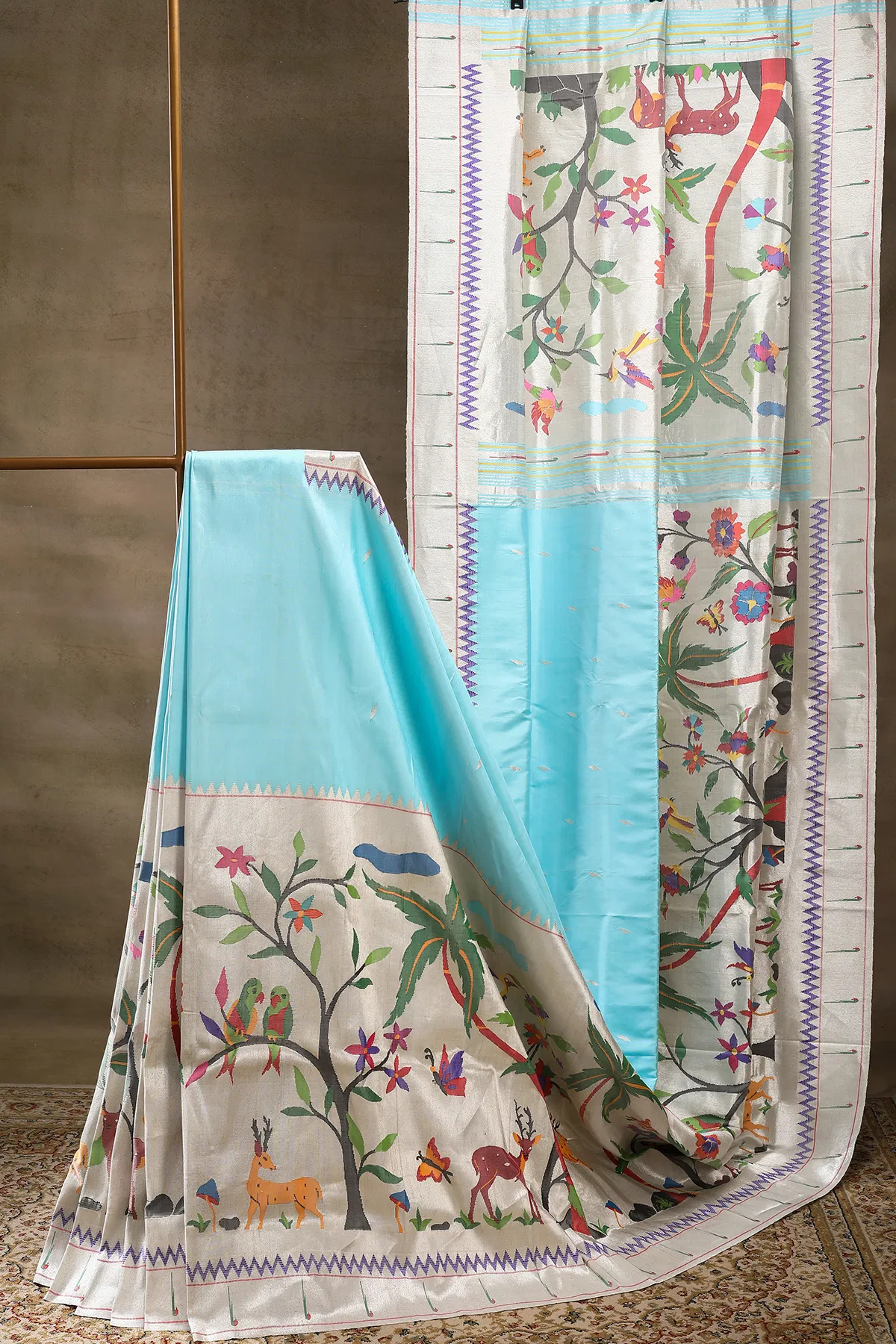
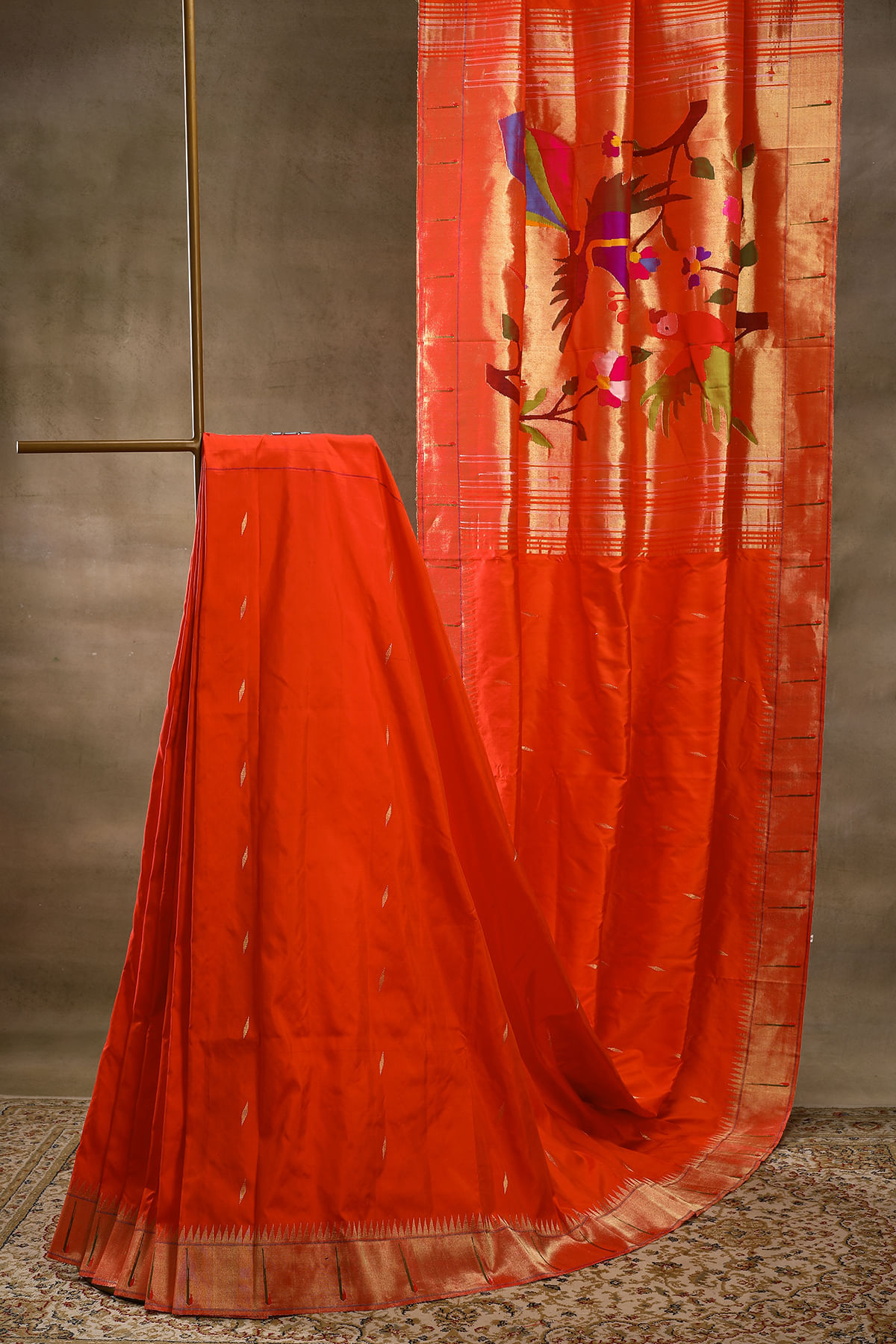
Kamal (lotus), mor (peacock), tota-maina (parrot), bangadi mor (peacock in a bangle), asharfi (coin), asawalli (flowering vine), and muthada (geometrical shapes) are the commonly used motifs in these Maharashtrian saree designs. Each motif features a different meaning, indicating an understanding of Indian culture, beauty, tradition, and the relationship between humans and nature. Each motif tells a story of culture, making the saree beautiful. The peacock, one of the most iconic motifs, symbolizes grace and beauty. Lotus elements are symbolic of purity. Its placement on the pallu or border adds a touch of class to Paithani sarees. Asawalli is for growth and nature, and Bangdi More is for regal creativity. Geometric patterns are bespoken of precision and symmetry. Overall, these motifs are more than just decorative elements. They are the carriers of culture, tradition, and royal stories. These sarees connect the wearer to the rich history and beauty of India.
Anatomy of a Paithani: Body, Border & Pallu
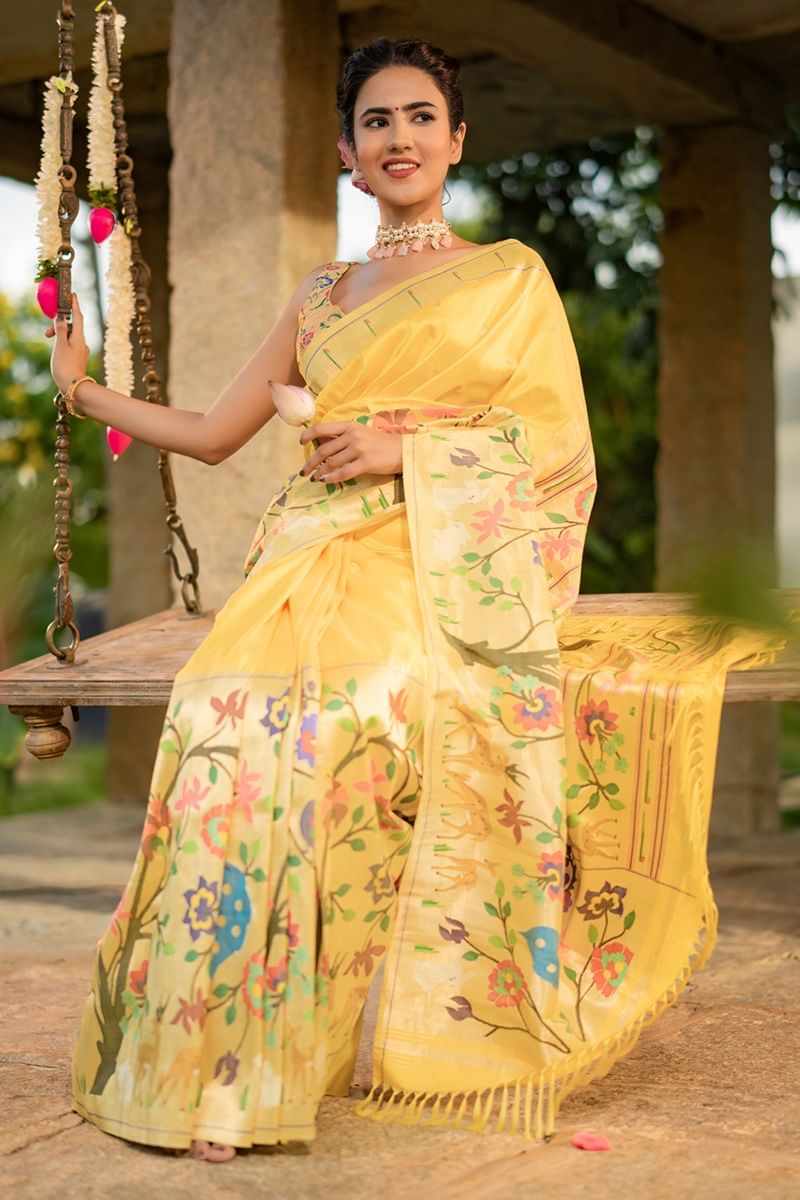
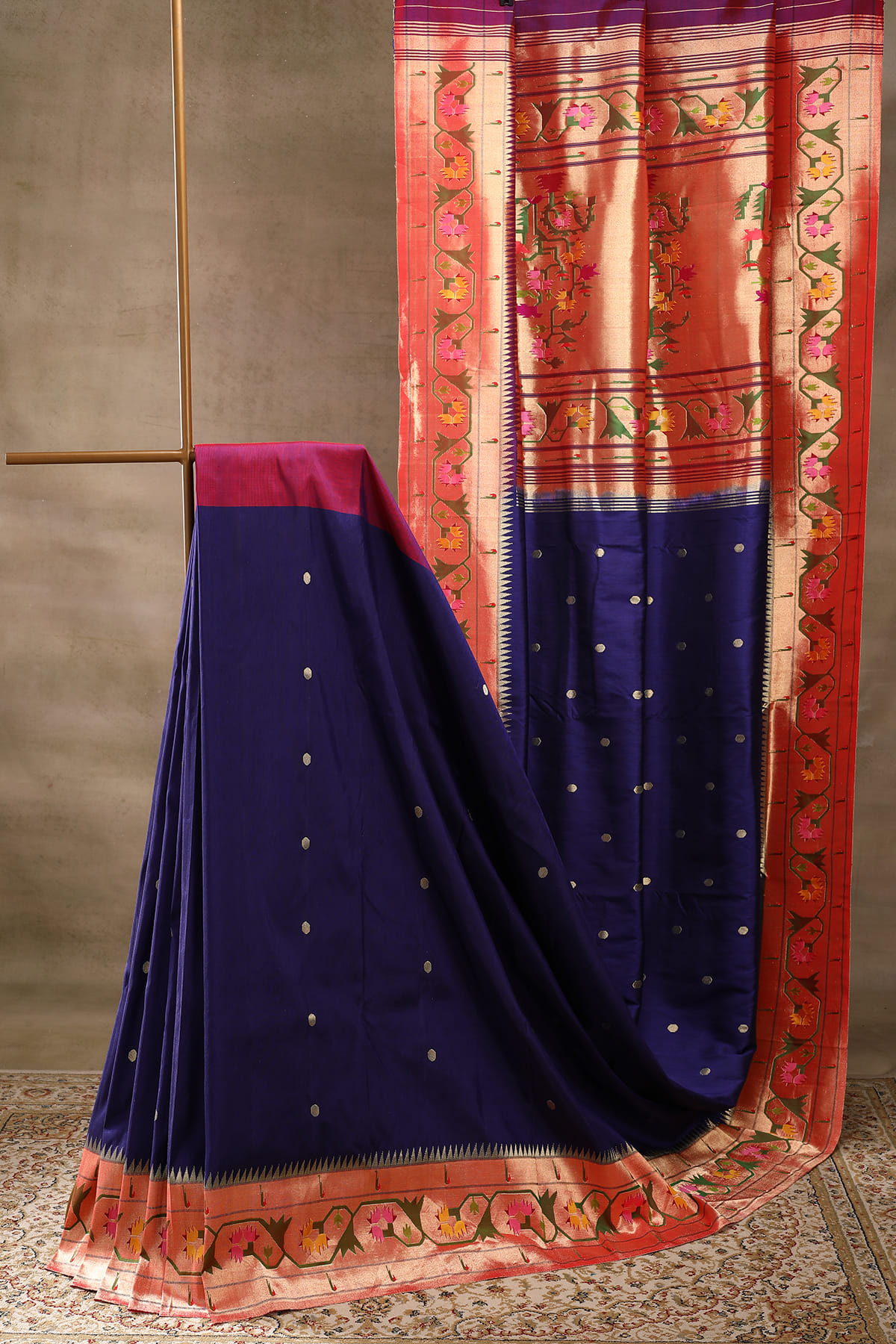
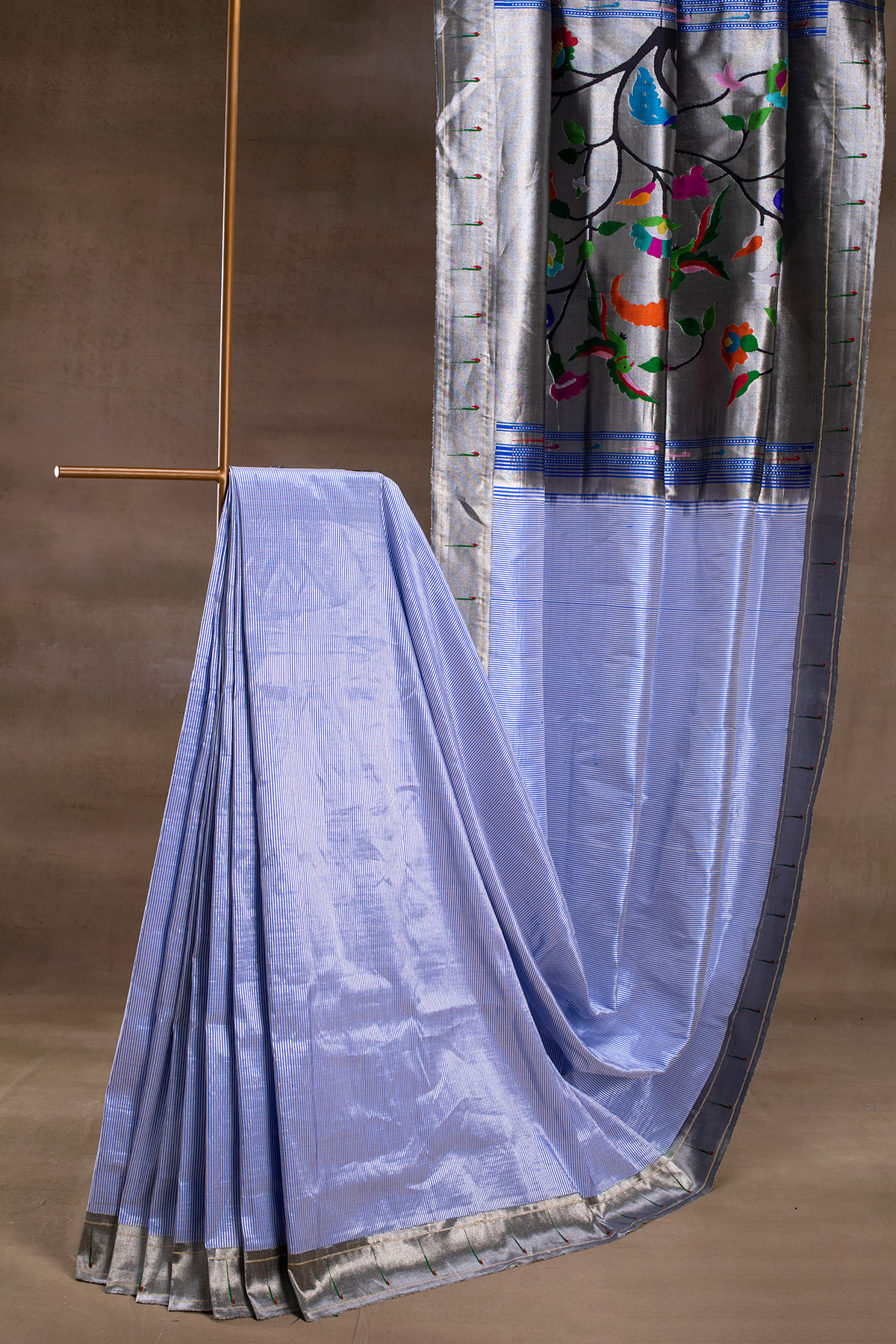
From immensely elegant ‘Shirodak’ (plain white) to ‘Kalichandrakala’ (sheer black with red border), Paithani sarees have a great variety of colors and designs on their body, border, and pallu. The splendor of Paithani sarees lies in its various parts such as boddy, border, and pallu. The component of the saree- the body has its own visual appeal. Well, the saree comes in different styles and designs, one being a kadiyal border Paithani saree known for its striking color combination. Kadiyal means interlocking, in which the warp and weft of the border are of the same color, while the body will have a different color. Some sarees feature a body in one solid color with an elaborately designed pallu. Reversible border sarees are also a unique aspect of Paithani sarees, in which the design looks identical on both sides. This is a hallmark of exceptional weaving and skill. These various weaving processes to craft each saree with a unique design are a testament to the labour-intensive process and unique craftsmanship.
Different Types of Paithani Sarees
Paithanis are classified based on weaving, color, and motifs used. They also come in various styles that range from traditional to modern. Some popular styles include:
Based On Weaving Technique
- Ekdhoti: For the weaving of weft, they use a single shuttle in crafting these sarees. The color of the warp yarn is not the same as weft yarn. These handloom paithani sarees have simple butti designs.
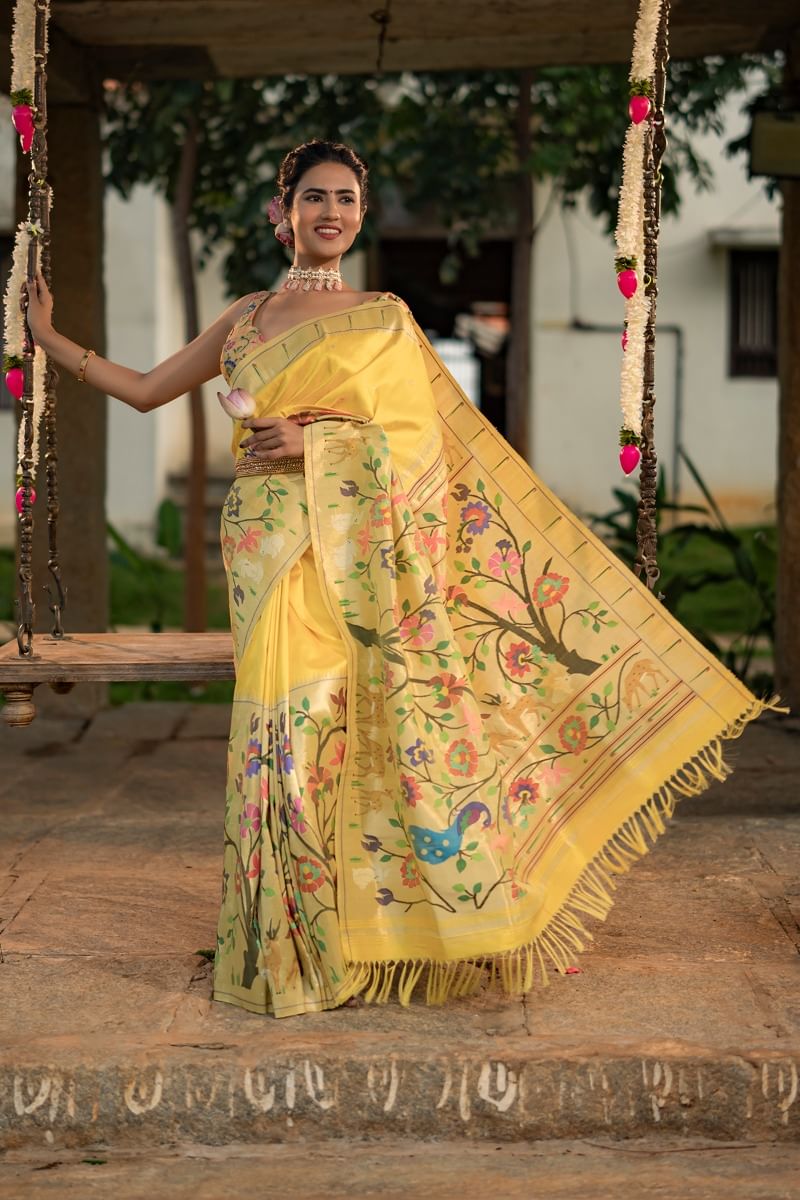
- Kadiyal: As kadiyal means interlocking, these Paithani silk sarees have the weft and warp in the same-colored yarns. Warp and weft of the border are of the same color, while the body will have a distinctive color.
Based on Color
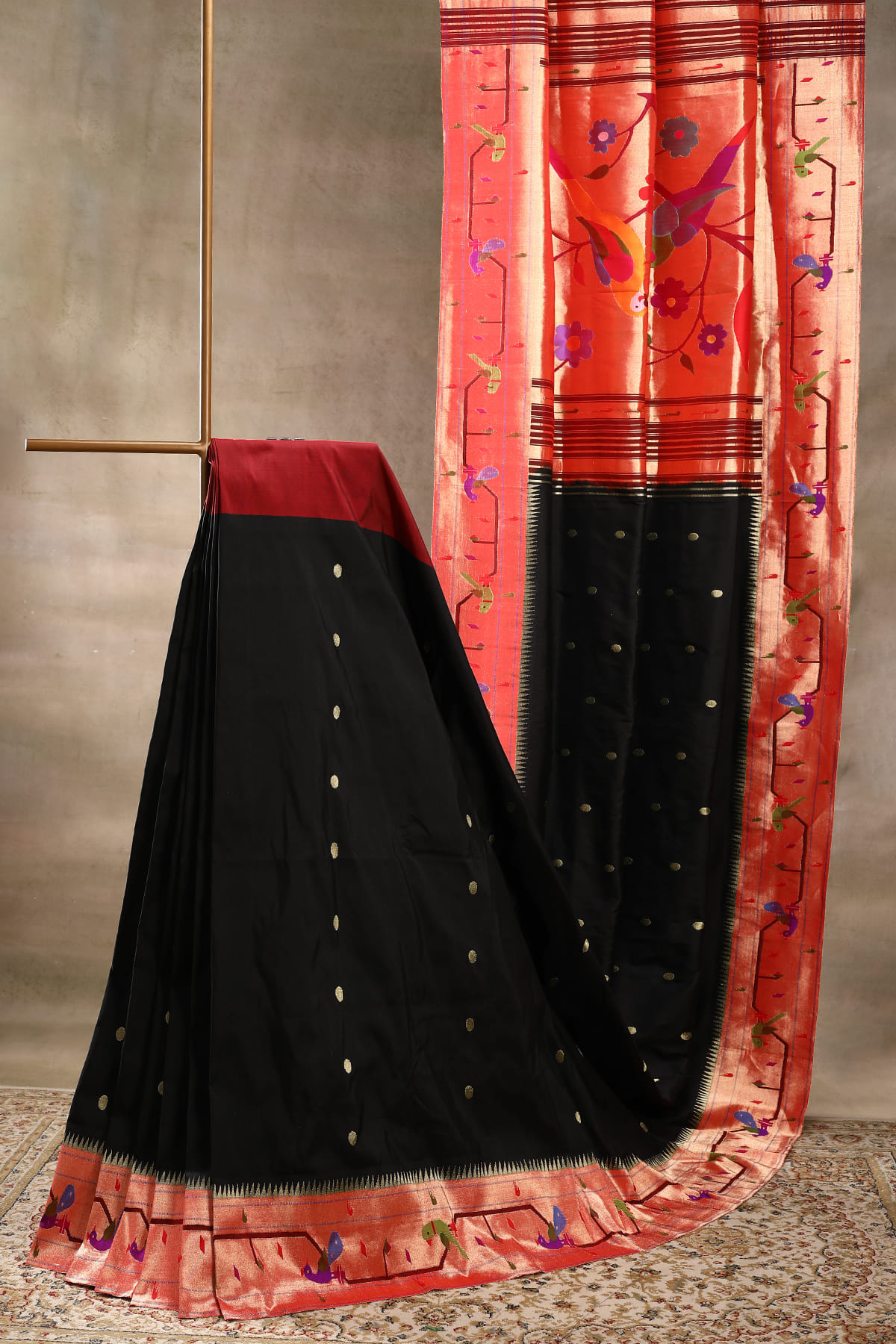
- Kalichandrakal- This is a black-colored saree with a red border.
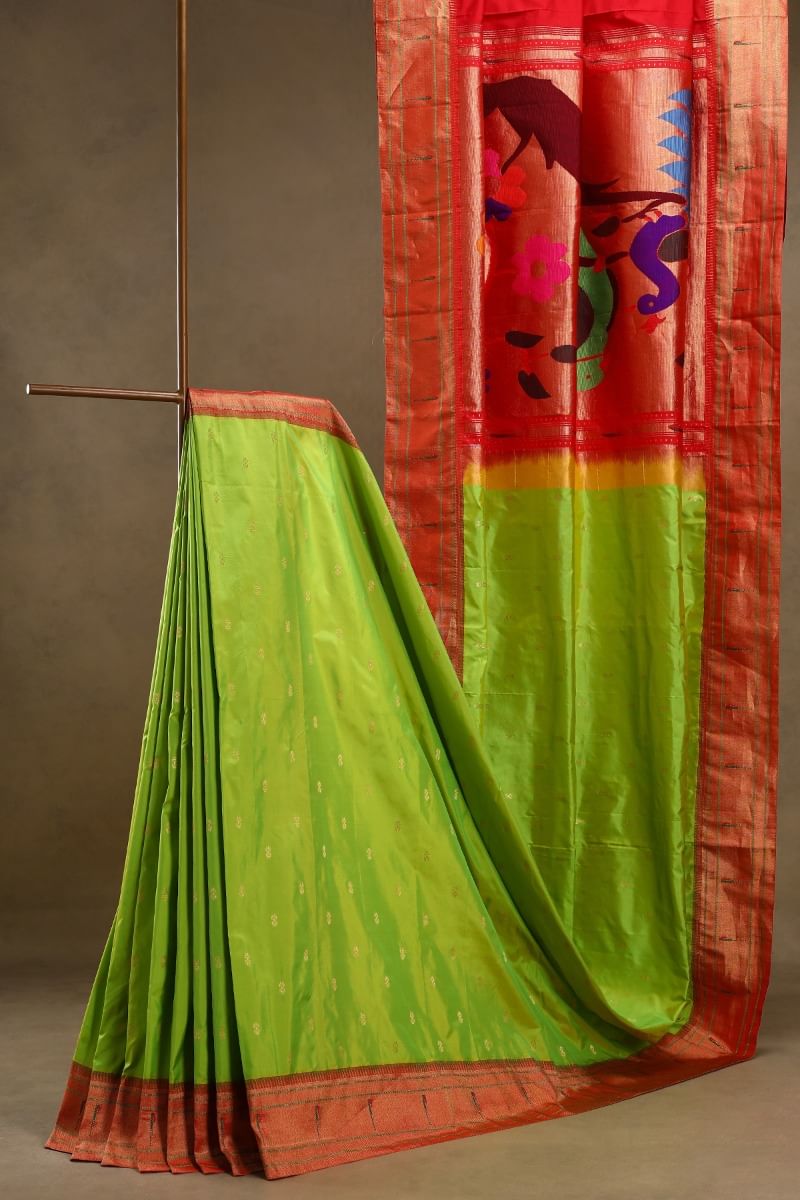
- Raghu- This one is a parrot green saree.
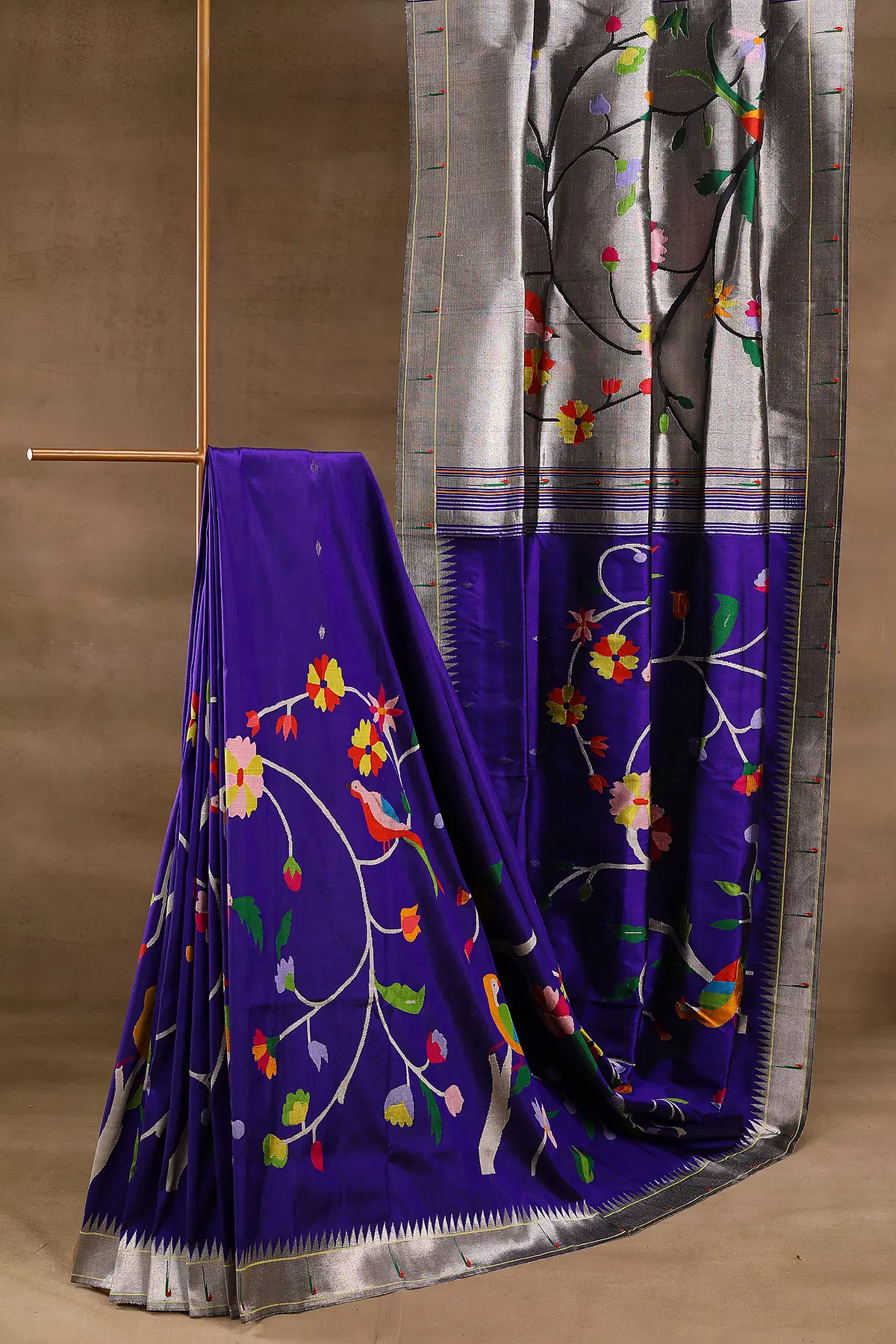
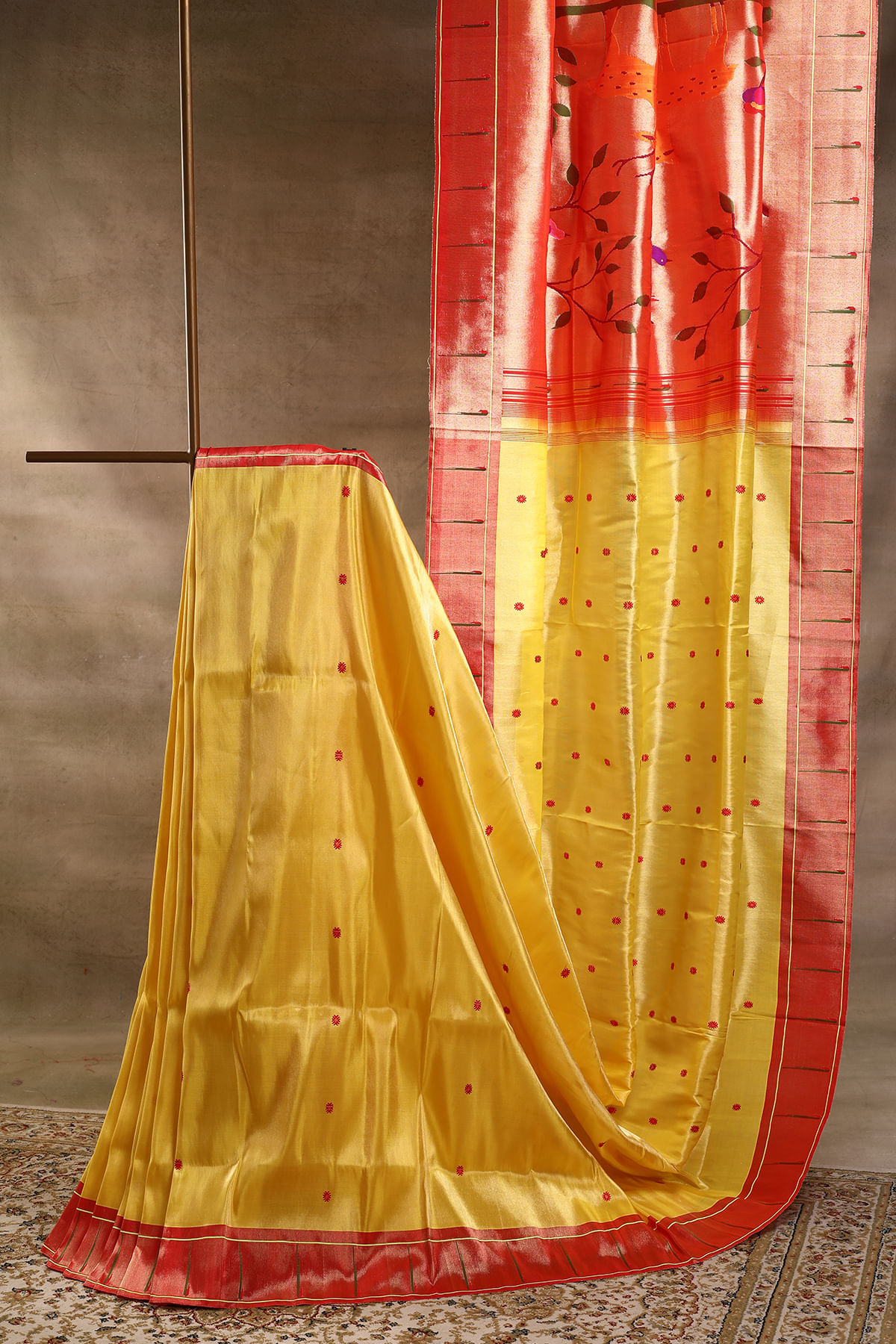
- Shirodak- It is a white saree, but modern interpretations have a wider range that includes Aboli (light pink), Pophali (yellow), and Neeligungi (blue).
Based on Motifs
- Bangdi Mor- Peacock motifs are unique to these sarees.
- Munia- Munia means parrot in Marathi, and these parrot motifs are woven on the pallu as well as the border.
- Yeolla- These are oblique square designs or bangle-like patterns to make the saree border or pallu royal and rich. These sarees come in contrasting colors.
- Narali-The use of coconut motifs is a prominent classification. These sarees symbolize prosperity and South Indian culture.
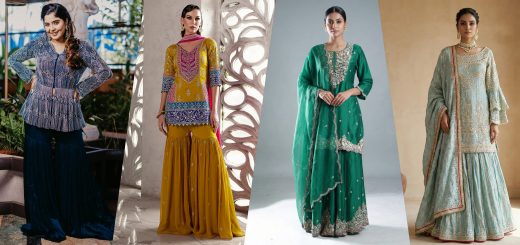
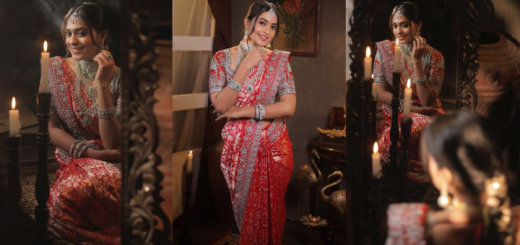
Motifs on the latest sarees are a blend of tradition and contemporary designs, which can add a modern touch to your Paithani silk saree appeal. Women are opting for designer blouses and elements like belts and jackets to elevate the look of their Paithani sarees.
How to Buy a Real Paithan
You can spot a pure Paithani saree by looking at the reverse side of the pallu. If those motifs are clearly visible, like it is on the front, it means the saree is authentic, pure, and original Paithani. The fake sarees or the copies would show loose threads on the reverse side of the saree. So, both sides should look identical. Also, in original Paithani sarees, the designs are woven and not stitched or printed. Original sarees feel soft but have a notable weight of pure zari work. Also, fake zari would look extremely shiny and would come off after some time. To buy a real Paithani saree, run your finger over it and feel the softness. With these tips, Samyakk eases the struggle of customers in distinguishing between machine-made and pure Paithani sarees.
How to Care for Your Saree
The first and foremost thing is to care for your original Paithani sarees by avoiding machine-washing. You might run the risk of the saree getting ruined or the zari and threads getting damaged if you wash it in the machine. So, a cleaning is always advisable for your rich and authentic sarees. Another key point is to save your saree by avoiding hanging it in direct sunlight for drying. This may cause the color to fade. Drying in shade can prevent color bleeding and fading. For storage, fold along the zari lines and store in a muslin cloth. Use a low-heat setting while ironing the saree at home. You must also keep changing folds to avoid permanent creases.
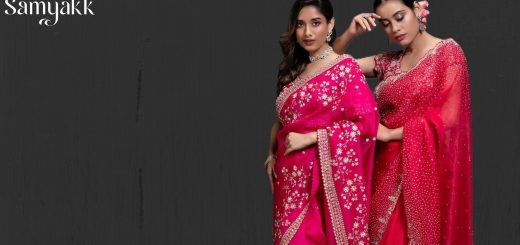
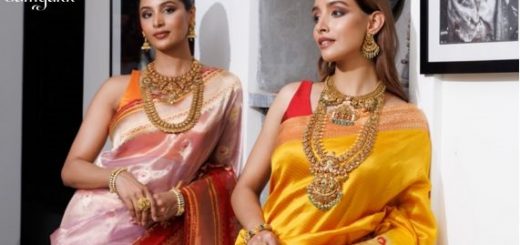
Samyakk keeps the tradition of handloom Paithani sarees alive by offering a vast collection for your experimentation. The sarees in various colors, designs, and motifs are unique and crafted by experts. The online store also encourages modern interpretations through sarees with design innovations. Opt for Paithani sarees from the online store that offers huge choices, a user-friendly interface, reviews, high-resolution images, etc, for your seamless shopping experience.
Frequently Asked Questions (FAQs)
How much does a Paithani saree cost?
Exquisite pieces come in various price ranges depending on detailing, weaving, and other intricacies. It can easily range between Rs 5000 to Rs 50000.
How can you shop for Paithani sarees online?
Paithani sarees are just a click away when you are shopping online. By using filters such as price, color, design, motifs, etc, you can buy from a huge range of designs and for different occasions.
Also Read:-