Latest Kanjivaram Sarees: The Royal Collection for Your Wardrobe
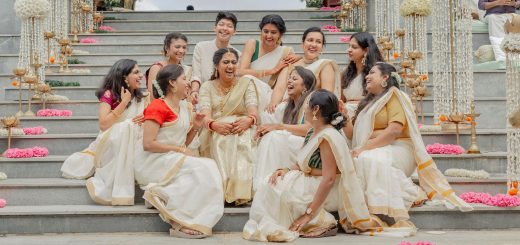
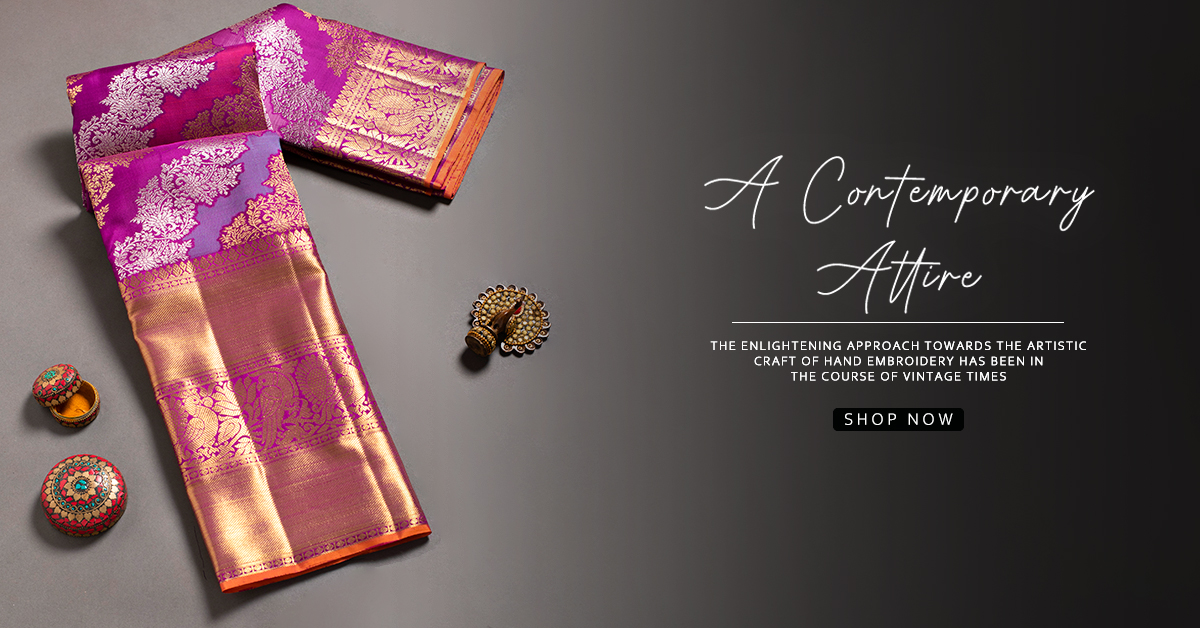
A Kanchipuram saree is the pride and revered legacy of South Indian. The sarees are celebrated for tradition and rich craftsmanship and are considered cultural and festive treasures. As they are passed down to younger generations, these sarees symbolize continuity and cultural pride. Kanchipuram or Kanjeevaram sarees are essential for weddings and grand festivals down South. They are worn by the brides for auspiciousness and bliss during key rituals. The intricate sarees symbolize richness and tradition, but at the same time, the latest Kanjivaram saree collection has adapted to modern tastes. We delve into the origin, history, tradition, and versatility of the sarees with contemporary aesthetics.
History & Origin
The Kanchipuram sarees have their origin in the Vijaynagara Empire during the 15th century, where weavers from Andhra Pradesh used their expertise and skills to weave the royal Kanjivaram silk sarees. They used pure mulberry silk as guided by the sage Makaranada. It is said that these Kanchi weavers were direct descendants of the sage who was the master craftsman of the Gods. Hence, developed the rich textile tradition of kanjivaram sarees. Overall, the sarees have an empire, divine, and mythological influence.


The Luxury, Tradition & Royalty- Historical Significance
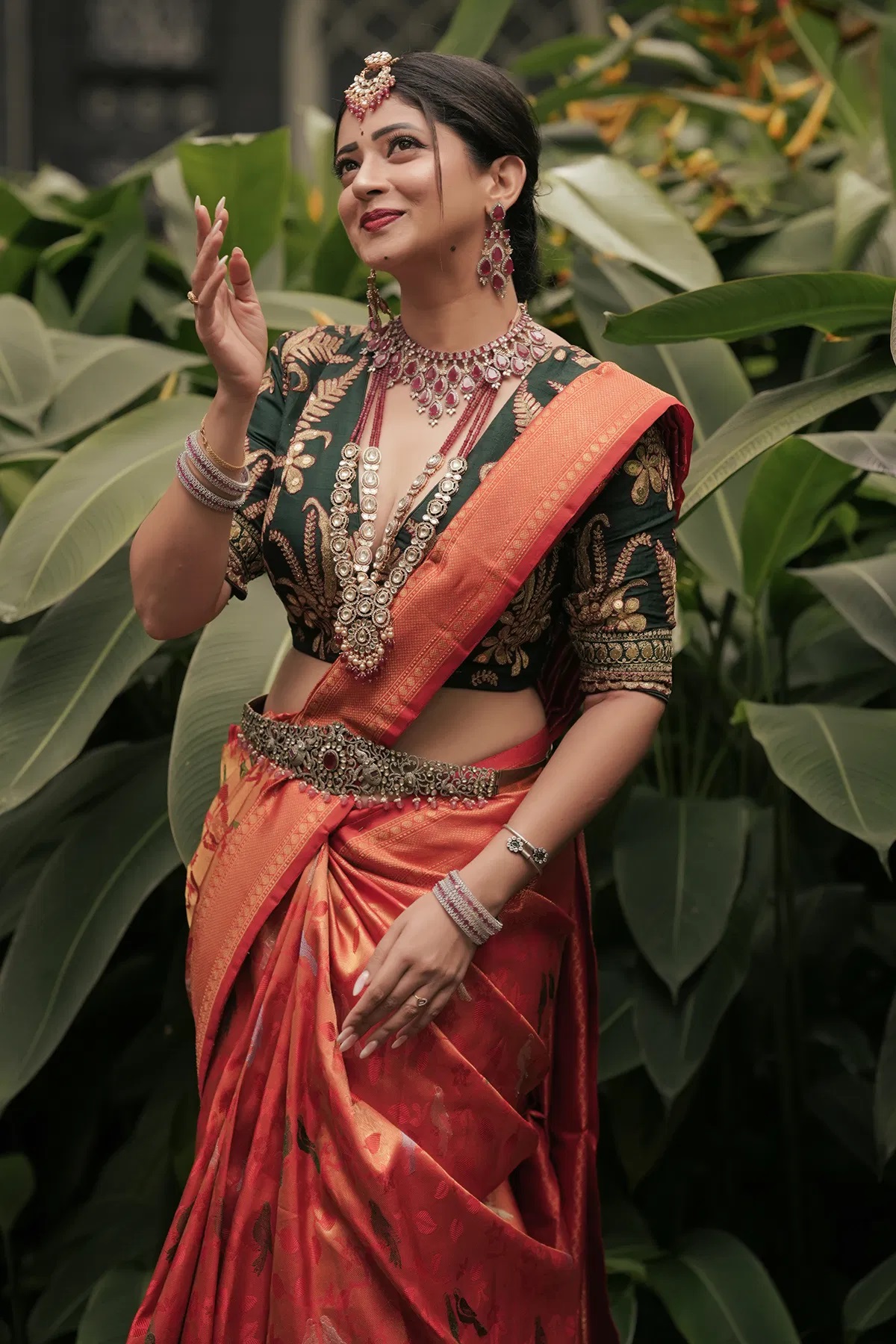
The nobles of the kingdoms and the queens favored the rich mulberry silk, gold zari work, intricate patterns, and royal motifs for the sarees. They felt a sense of cultural pride and richness in adorning themselves with the splendidly woven sarees. These sarees were a staple in the wardrobes of South Indian royalty. These sarees showcased richness, royalty, artistry, culture, and served as a status symbol for queens.

The Making of The Kanjeevaram Sarees
The process involves using fine mulberry silk, which is processed and dyed to provide strength and vibrant color to the sarees. After the meticulous hand-dyeing process, the starching process is followed to add stiffness and subtle shine to a Kanjeevaram saree. The sarees are then prepared for looming and warping, in which warp dyed threads are arranged on the loom to define the saree’s dimensions. Then, they separately weave the body and the border, which is a labor-intensive process. Finally, they process the zari integration for richness and an opulent look. Finally, after finishing the weaving process, cutting, and folding are done to create the masterpieces.


Significance of Modern Kanjeevaram Saree Collection
Embracing new styles has always been significant in all kinds of fashion. So is it with a Kanchipuram saree. The latest designs blend traditional aesthetics with modern elements. The non-traditional look of the sarees allows younger generations to accept the cultural sarees and connect with India’s rich heritage and craftsmanship.


The New Adaptations in the Latest Collection
A blend of traditional and modern motifs, minimalist designs, pastel shades, and designs relevant for modern women are the new adaptations in kanjivaram sarees. The interesting mix of trendy motifs and offbeat hues takes the look and the elegance of sarees to a whole new level. Besides the contemporary color palette, the designers also include lightweight fabrics and modern patterns such as geometrical motifs for greater versatility. The latest elements of color, fabric, and patterns result in a fusion look and make the collection acceptable for a wider audience.


Types Of Kanjivaram Sarees
The sarees can be classified based on designs, fabrics, weaving, border, and pallu. We sum up a few.
- Classic Temple Border- Triangular or temple motifs are unique border designs, adding divinity and heritage to the saree’s look. These motifs also reflect cultural significance and auspiciousness for weddings and religious ceremonies.

- Stripes & Checks- The stripes and checks motifs add smartness and suaveness to a Kanjivaram silk saree. The artistry of these sarees lies in the handwoven pattern of boxes and stripes. The geometrical design adds simplicity, effectiveness to your fashion statement.

- Korvai Sarees- In this technique body and the border of the saree are woven separately and then interlocked to reflect contrast or clashing shades. The technique lends the saree a visual appeal and immense structure. The separate weaving makes the saree look distinctive.

- Butti Kanchipuram- Butti are small, decorative patterns on the sarees that add festive appeal to the sarees. Buttis in gold and zari add richness and royalty to a kanjivaram saree Buttis can be circular, paisley, peacock, or geometrical patterns, and are just too cute.

- Floral Jaal- The flower motifs woven all over the saree in gold or silver zari resemble a creeping vine design. The pattern offers a rich and luxurious look to the saree. The style influenced by Mughal motifs and nature looks feminine and divine.

- Without Border- A saree that doesn’t feature a border looks suave, minimal, and contemporary. This pattern shifts the focus to the texture and solid color of the saree. A simple Kanjeevaram saree promotes versatility, which allows unique pairing of designer blouses with the sarees. Borderless Kanjivaram sarees have their own significance.

- Zari Brocade- Golden or silver zari adds royalty, richness, culture, and grandeur to a kanjivaram saree. The luxuriously grand sarees are perfect for grand celebrations like weddings or religious ceremonies. The artisans use regal motifs such as vine, mango, and temple to craft zari brocade kanjivaram sarees.

- Multi-colored- When the body, pallu, and border of the sarees lie in contrast, it creates a vibrant look, which is a unique feature of the Kanjivaram saree collection. The sarees in multiple hues look visually appealing.

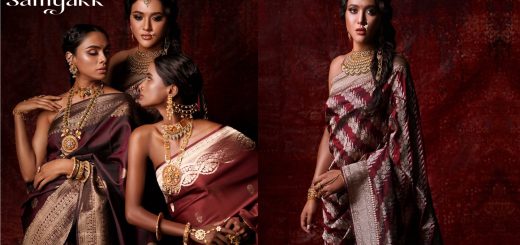
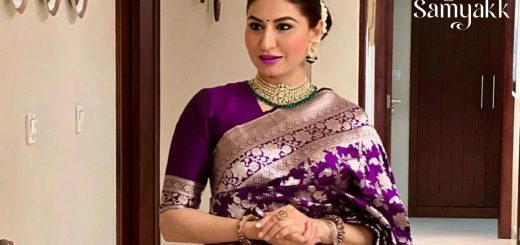
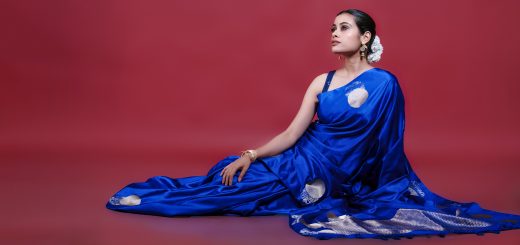
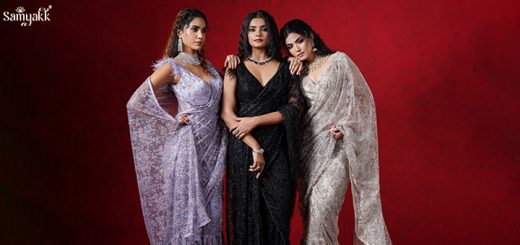
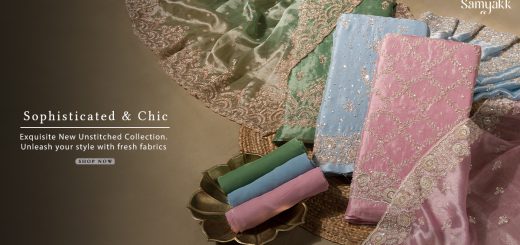
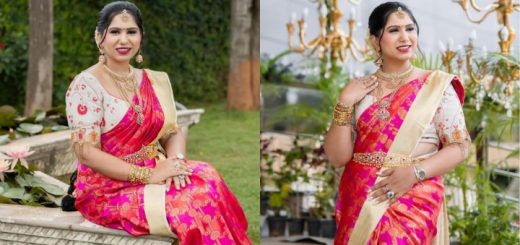
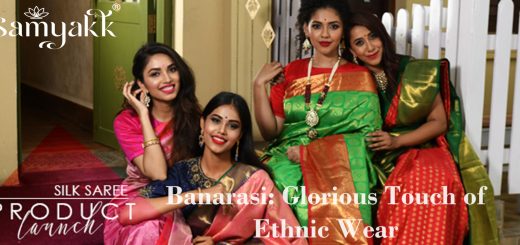
Samyakk boasts a wide variety of styles in Kanjivaram sarees. The latest collection offers rich textures, contemporary designs, intricate motifs, premium zari, and vibrant colors. The ethnic and designer fashion label showcases new and offbeat designs alongside classic and traditional kanjivaram sarees. The plethora of designs in Kanjivaram sarees caters to both traditional and contemporary styles.
Frequently Asked Questions (FAQs)
Can you suggest a few care tips for the longevity of Kanjivaram sarees?
Dry clean your rich kanjivaram sarees and store them in muslin cloth, away from plastic, heat, and moisture. This will preserve the delicate details such as fine weaving and intricate zari work of the sarees.
Why do women buy Kanjivaram sarees?
They buy Kanjivaram sarees for tradition, beauty, timeless charm, opulence, and family culture. These are cherished heirlooms, and modern women also prefer these sarees for the versatility they offer.
What checklist can be followed before buying a pure Kanjivaram saree?
Look for silk mark, zari type, the heavyweight that carries rich silk, and go through the online buying and return policies.
Are all the Kanjeevaram sarees heavy?
No, semi-silk or other silk varieties are available, which are lightweight sarees as compared to pure kanjivaram silk sarees.
Also Read: