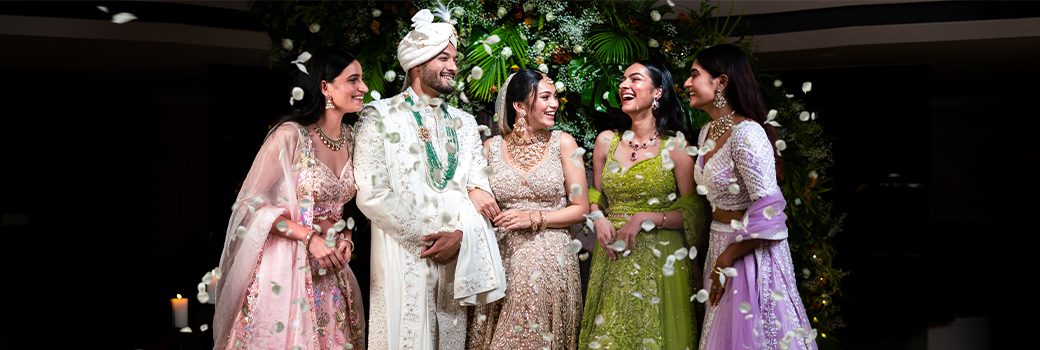
The Ultimate Kanchipuram Saree Buying Guide: Your Journey to Authentic Silk Elegance
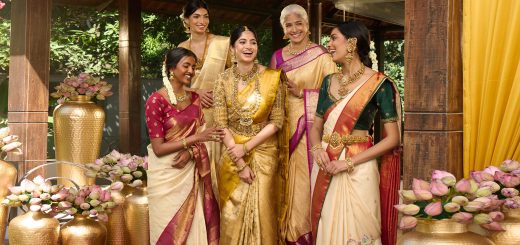
Welcome to the definitive guide for purchasing a Kanchipuram (often pronounced and spelled Kanjivaram) saree. Revered as the “Queen of Silks,” these exquisite handwoven creations from the temple town of Kanchipuram in Tamil Nadu, India, are a symbol of timeless beauty, rich tradition, and unparalleled craftsmanship. Whether you’re a bride-to-be, a saree connoisseur, or a first-time buyer, this guide will equip you with the knowledge to select an authentic Kanchipuram silk saree that will be cherished for generations.
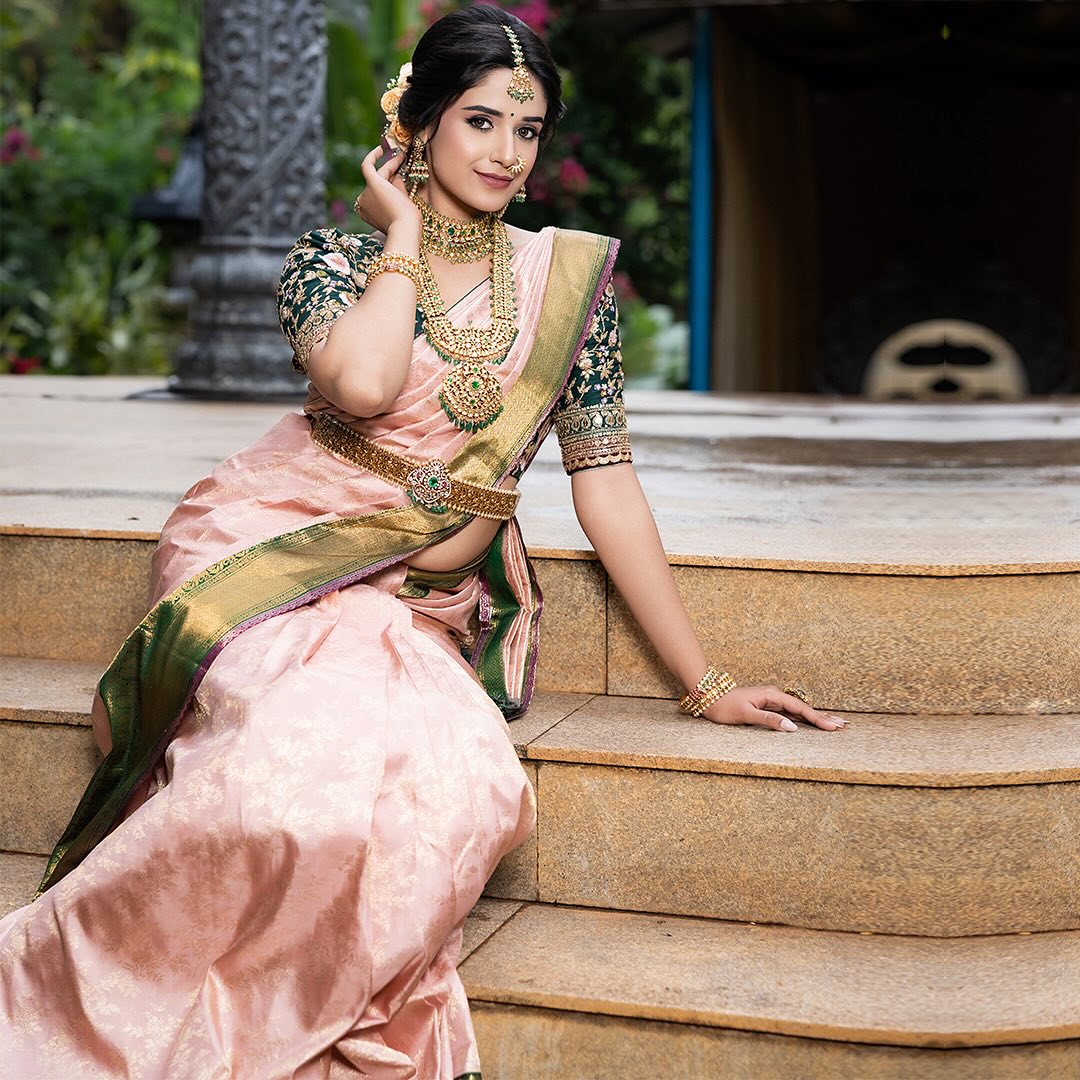
Why is a Kanchipuram Saree a Must-Have?
- Cultural Significance: Deeply rooted in South Indian culture, these sarees are considered auspicious for weddings, festivals, and religious ceremonies.
- Unmatched Quality: Woven from pure mulberry silk with intricate zari work (gold and silver threads), Kanchipuram sarees are known for their durability, lustrous finish, and rich texture.
- Artisanal Heritage: Each saree is a testament to the skill of master weavers who employ traditional techniques passed down through centuries.
Chapter 1: Understanding the Essence of Kanchipuram Silk Sarees
To make an informed purchase, it’s crucial to understand what makes a Kanchipuram saree unique.
1.1 The Fabric: Pure Mulberry Silk and its Characteristics
Authentic Kanchipuram sarees are exclusively woven from pure mulberry silk. This natural fiber is known for:
- Lustrous Sheen: A subtle, natural glow that distinguishes it from synthetic alternatives.
- Softness and Drape: Despite their substantial weight, genuine Kanchipuram silks drape elegantly and feel luxurious against the skin.
- Durability: The high-quality silk threads contribute to the saree’s remarkable longevity.
Pro Tip for Fabric Check: Rub the fabric gently between your fingers. Pure silk creates a warm sensation, while synthetic materials remain cool.
1.2 The Weave: Korvai and Pitni Techniques
The heart of a Kanchipuram saree lies in its unique weaving techniques:
- Korvai Weaving: This distinctive interlocking technique is where the body of the saree is woven separately from the border and pallu (the decorative end piece). They are then meticulously joined together, often creating a visible zig-zag pattern at the junction. This strong interlocking ensures the border remains intact even if the body tears.
- Three-Shuttle Weaving: This traditional method often involves three shuttles – two for the border on each side and one for the body – allowing for distinct colors and designs.
1.3 The Zari: The Gleam of Pure Gold and Silver
The opulent zari work is a hallmark of Kanchipuram sarees. Traditionally, this metallic thread is made from pure silver, which is then dipped in gold.
- Pure Zari: Adds significant value, weight, and a rich sheen that doesn’t tarnish easily.
- Imitation Zari: Often made from synthetic materials, it lacks the same luster and durability.
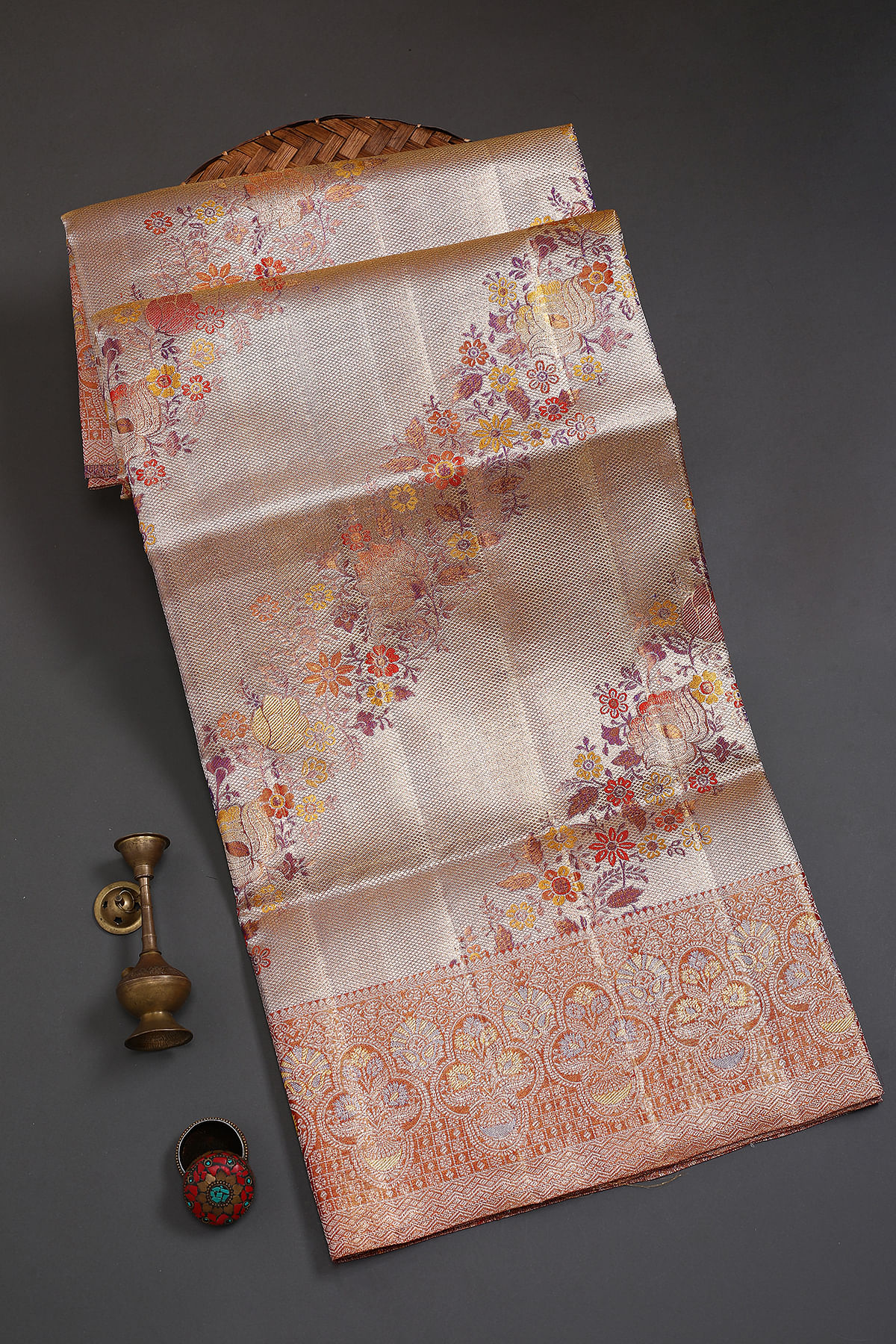
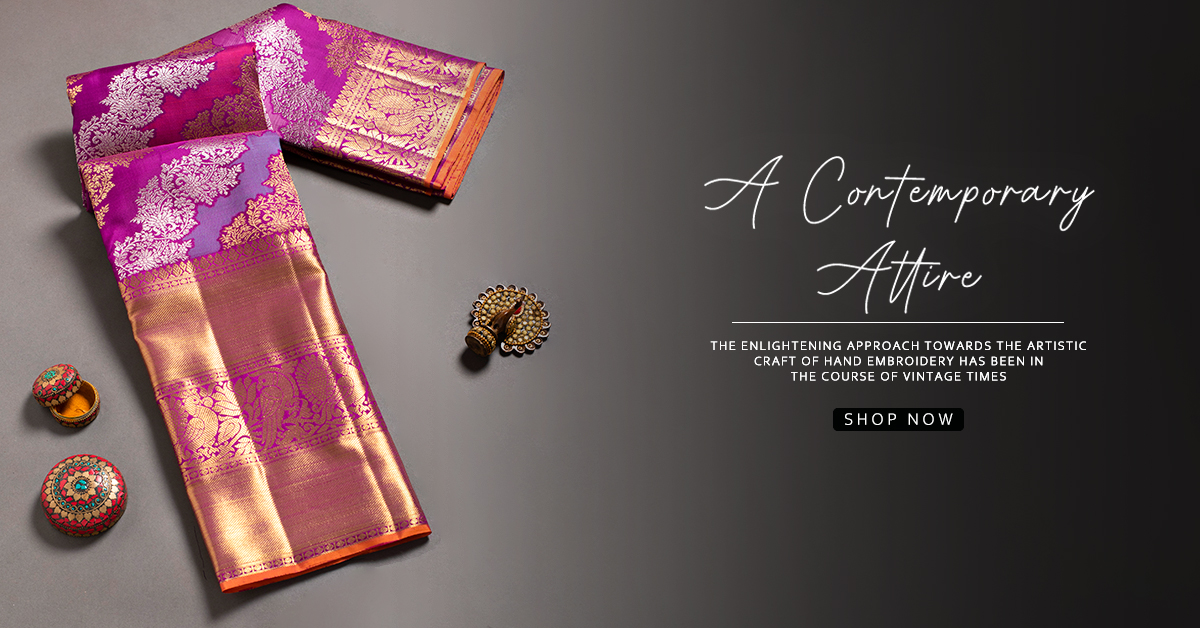
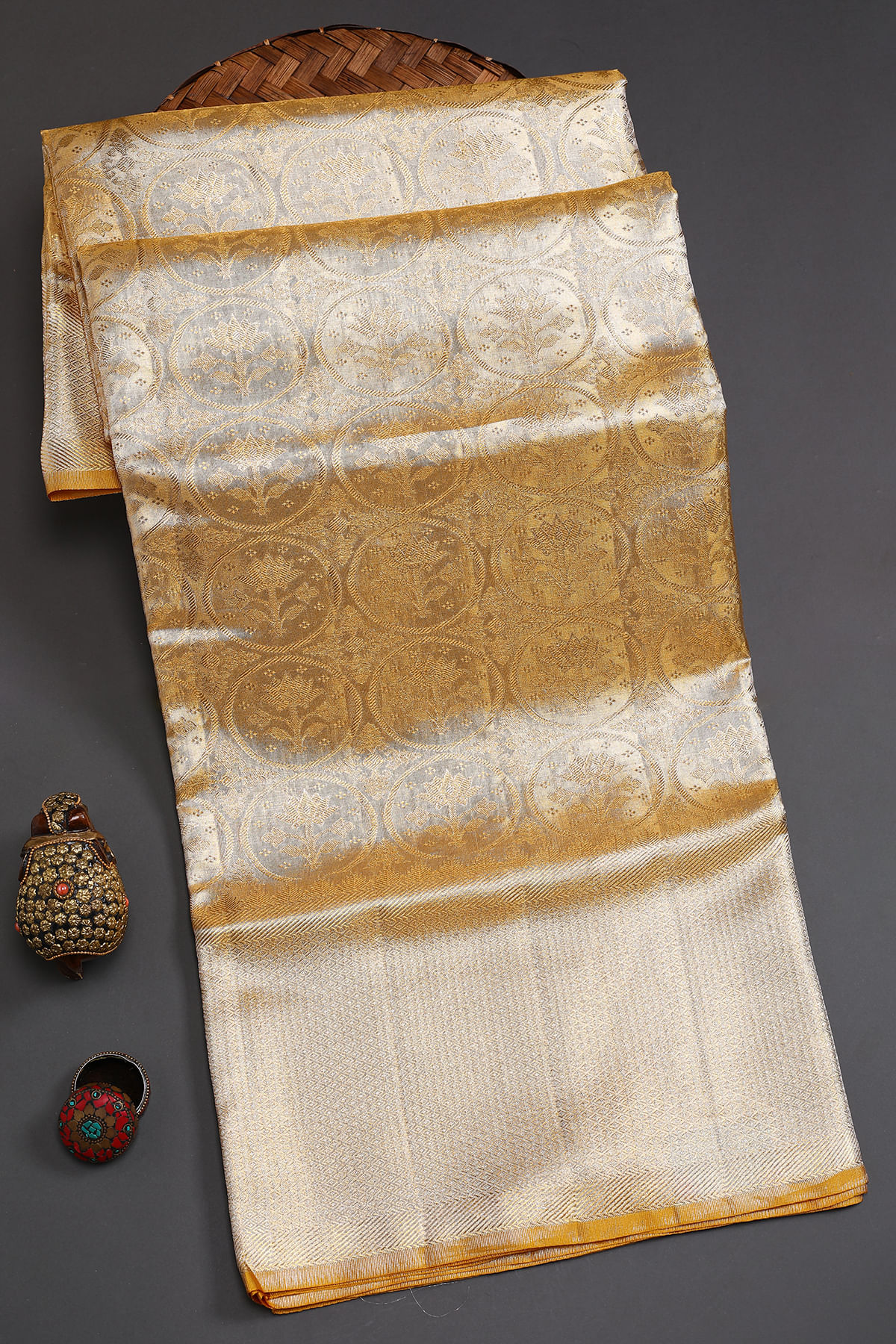
Gold Zari Woven Kanchipuram Tissue Saree with Unstitched Blouse
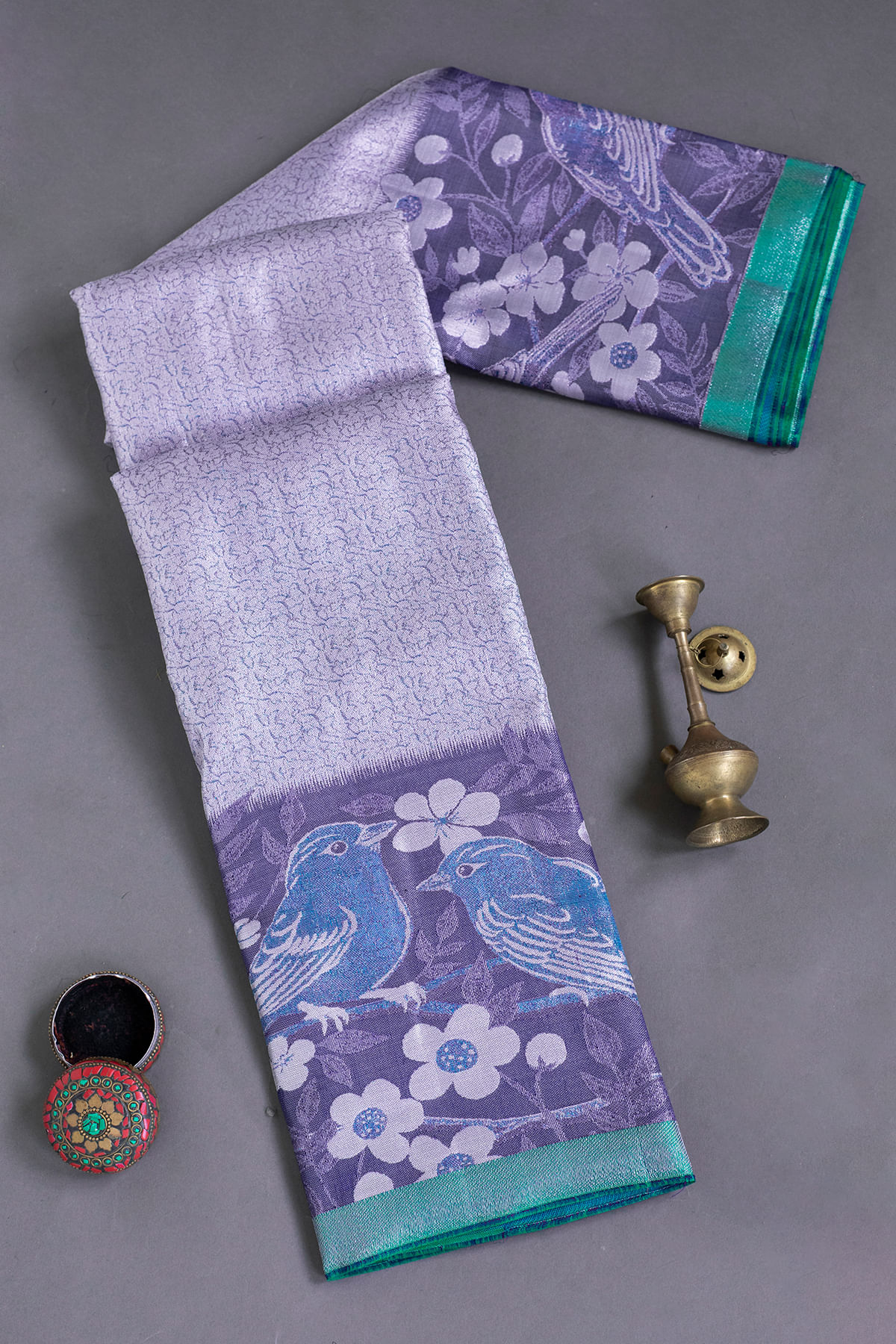
Chapter 2: Identifying an Authentic Kanchipuram Saree – Your Authentication Checklist
With many imitations in the market, knowing how to identify a genuine Kanchipuram saree is paramount.
2.1 The Silk Mark Certification: Your Guarantee of Purity
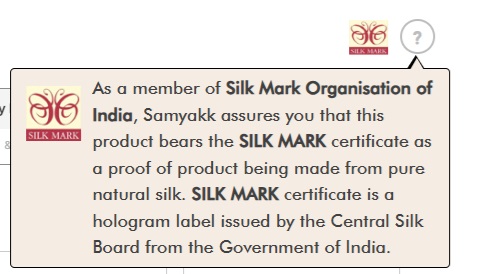
Always look for the “Silk Mark” label. This certification, issued by the Silk Mark Organisation of India (SMOI), guarantees that the saree is made of 100% pure natural silk. It’s the most reliable indicator of authenticity.
2.2 The Zari Test: Is it Real Gold/Silver?
A simple yet effective test for zari:
- Scratch Test: Gently scratch a small portion of the zari on the reverse side of the saree. If a reddish silk thread appears underneath, it indicates pure zari (silver coated with gold). If white or dull threads appear, it’s likely imitation zari.
- Burn Test (Caution Advised): If permitted by the seller, snip a tiny thread from the saree and burn it. Pure silk will smell like burning hair and leave behind a black, powdery ash. Artificial silk will melt and form a hard bead, emitting a chemical odor. Perform this test with extreme caution and only with the seller’s consent.
2.3 The Touch and Feel: Beyond Visual Appeal
- Weight: Genuine Kanchipuram sarees feel substantial due to the dense weaving of pure silk and zari. They typically weigh between 750 grams to 1 kilogram or more.
- Texture: Pure silk will feel soft, smooth, yet firm and crisp. When scrunched, it should produce a soft, rustling sound.
2.4 Examining the Weave and Borders: Signs of Handloom Craftsmanship
- Interlocking Join (Pitni): Look for the distinct, often visible, interlocking joint where the body meets the border and pallu. This is a characteristic of handwoven Korvai sarees. Machine-made sarees will have a seamless, uniform appearance without this join.
- Weave Consistency: Handwoven sarees may have slight, charming irregularities, adding to their unique character. Machine-made sarees will have a perfectly even and accurate weave.
- Border Details: Borders are usually wider and feature intricate, contrasting designs woven into the fabric, not printed. The patterns should be symmetrical and well-defined.
Chapter 3: Choosing Your Kanchipuram Saree – Style, Color, and Design
Kanchipuram sarees offer an astonishing array of designs and colors.
3.1 Traditional Motifs and Designs
Kanchipuram motifs are often inspired by:
- Temple Architecture: Gopuram (temple tower) borders, intricate pillar designs.
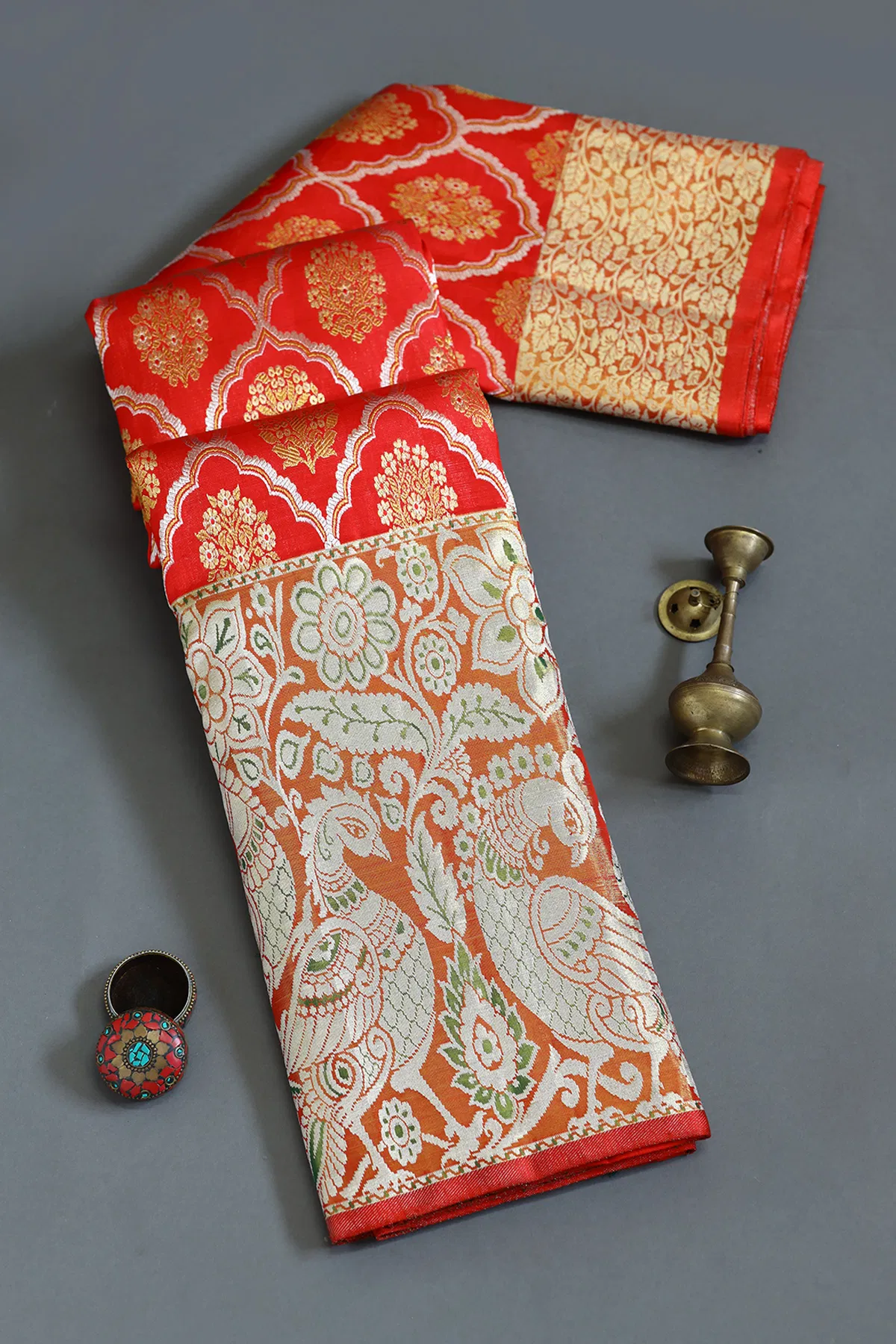
- Nature: Peacocks (mayil), elephants (yanai), mangoes (manga), lotuses, parrots, flowers, and vines.
- Mythology: Depictions of mythological characters or scenes.
- Geometric Patterns: Checks (kattam), stripes, and coins.
3.2 Color Palettes: From Classic to Contemporary
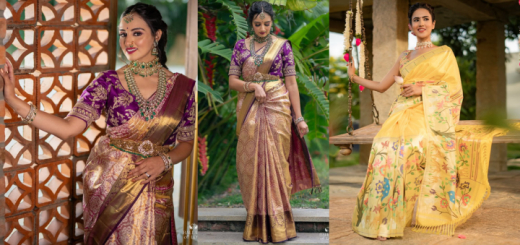
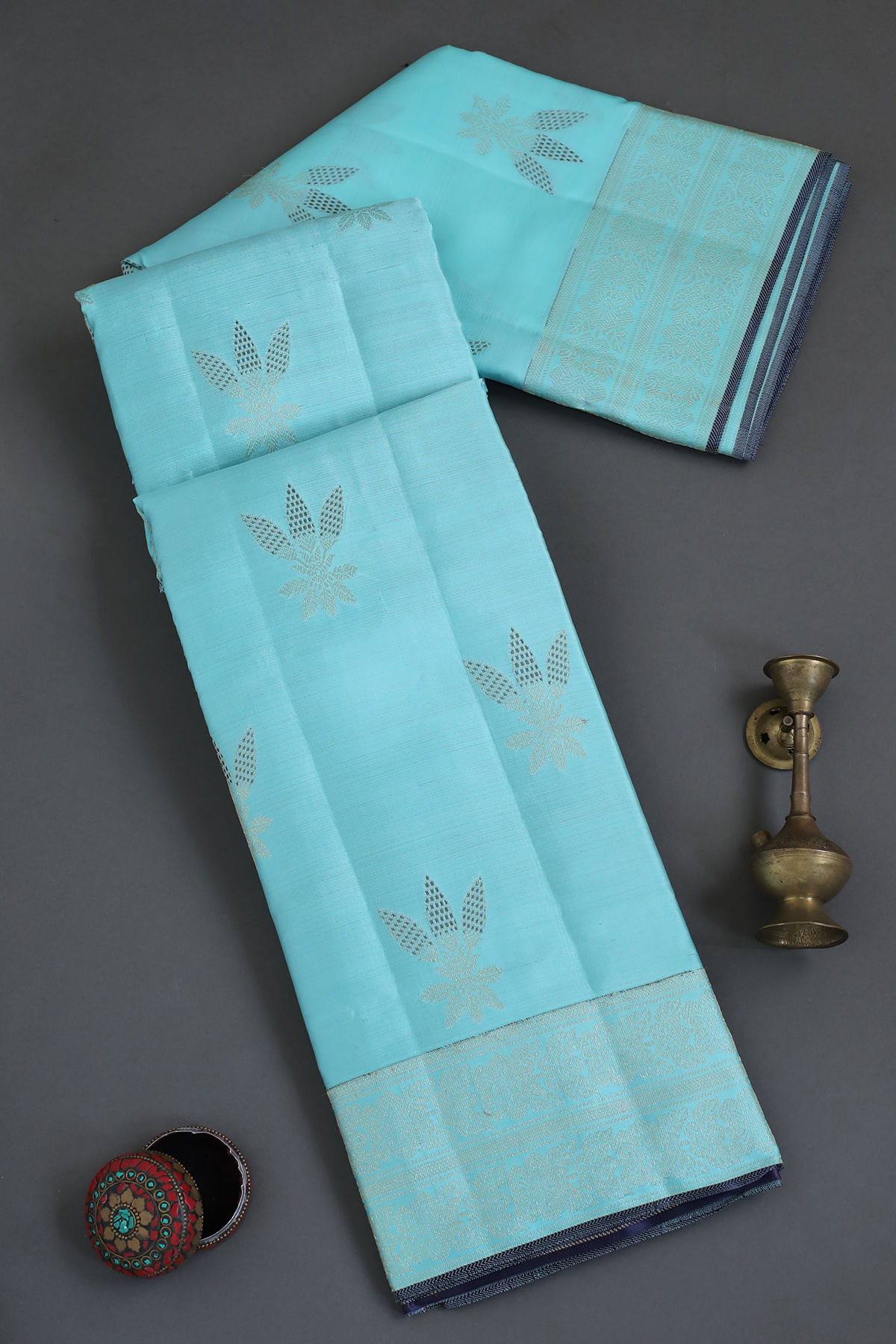
While traditional reds, maroons, and golds remain popular, modern Kanchipuram sarees now feature a wider spectrum of colors, including pastels, dual tones, and unique combinations. Pick a shade that flatters your complexion and suits the event perfectly.
3.3 Zari Work Intensity and Design Complexity
The amount and intricacy of zari work significantly impact the saree’s price and grandeur.
- Light Zari: More subtle and suitable for everyday elegance.
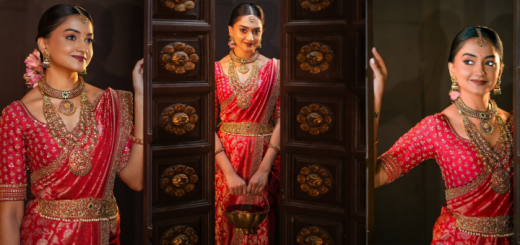
- Heavy Zari: Features elaborate patterns, often covering the pallu and border extensively, ideal for bridal wear and grand occasions.
Chapter 4: Kanchipuram Saree Price Guide: Understanding the Investment
Kanchipuram sarees are an investment, and their price varies widely based on several factors.
4.1 Factors Influencing Price:
- Purity and Quantity of Zari: The most significant determinant. Sarees with pure gold and silver zari are considerably more expensive than those with imitation or silk zari.
- Silk Quality and Thread Count: Higher quality silk and a denser weave (higher thread count) lead to a finer, more durable, and more expensive saree.
- Design Complexity and Weaving Time: Intricate designs and elaborate motifs require more skill and time from the weavers, increasing the cost.
- Handwoven vs. Machine-made: Handwoven sarees are always pricier due to the labor-intensive process and artistic value.
- Brand Reputation: Established and reputable retailers may have higher prices due to their guaranteed quality and legacy.
4.2 General Price Range:
- Basic Designs (with some zari): ₹8,000 – ₹25,000
- Mid-Range (moderate zari, traditional motifs): ₹25,000 – ₹75,000
- Premium/Bridal (heavy pure zari, intricate designs): ₹75,000 to several lakhs (₹5,00,000+)
Remember: If a Kanchipuram saree seems too good to be true in terms of price, it probably is. Authenticity comes at a cost.
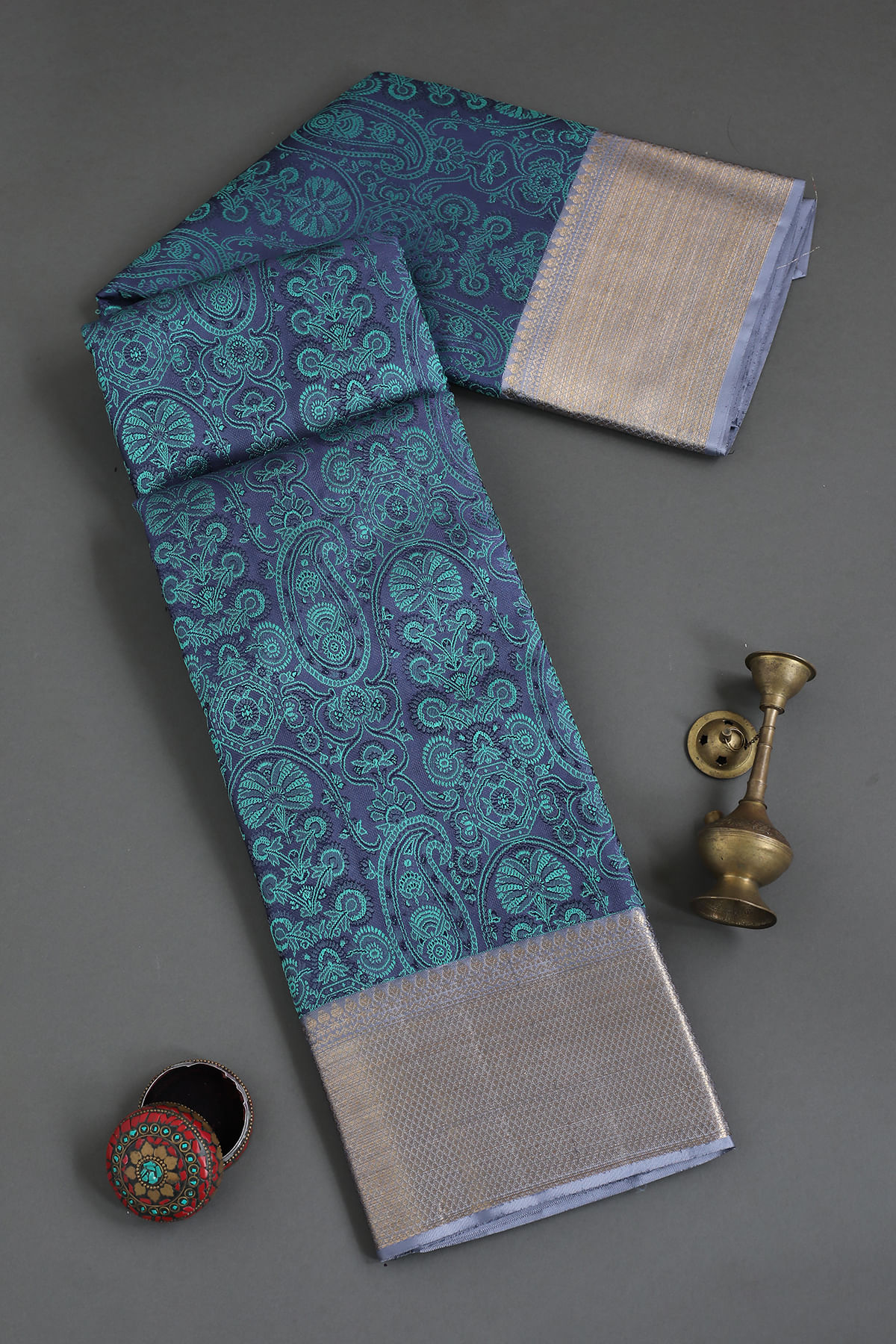
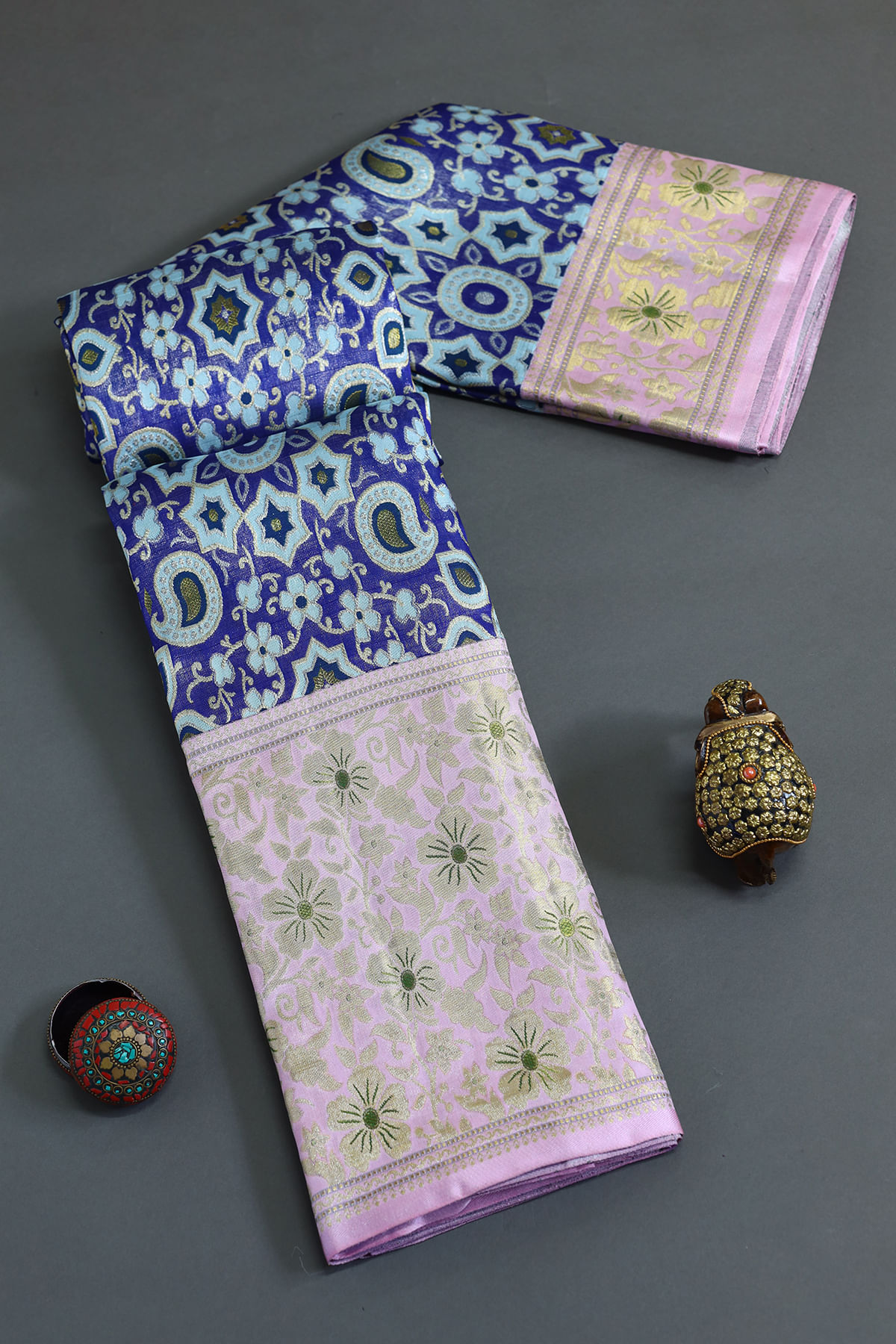
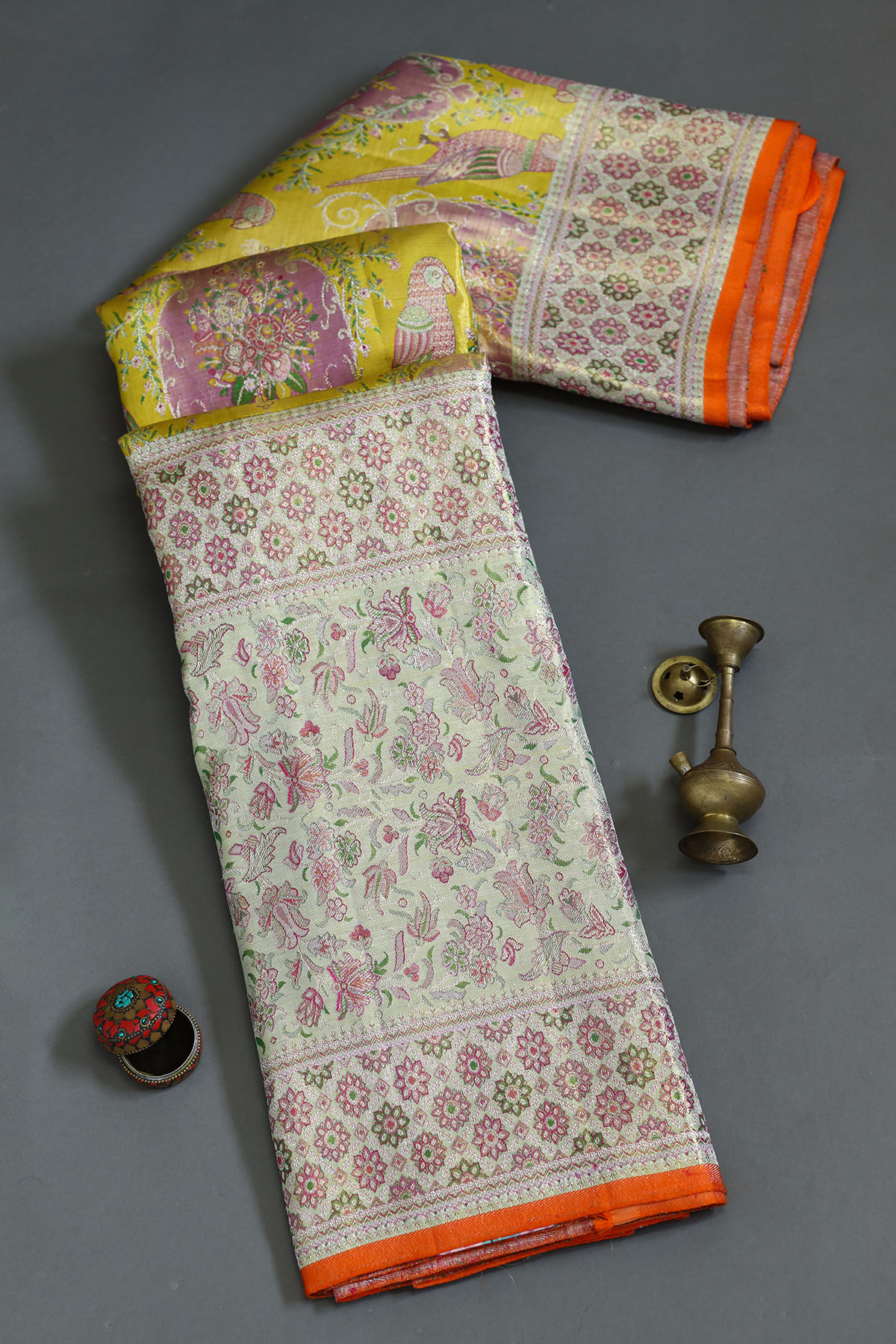
Chapter 5: Where to Buy Authentic Kanchipuram Sarees
Choosing a reputable seller is as important as understanding the saree itself.
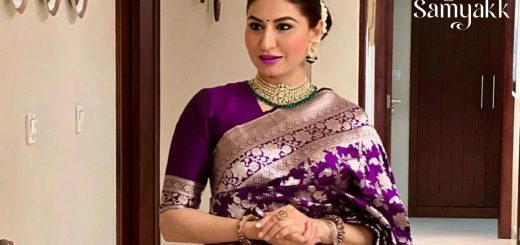
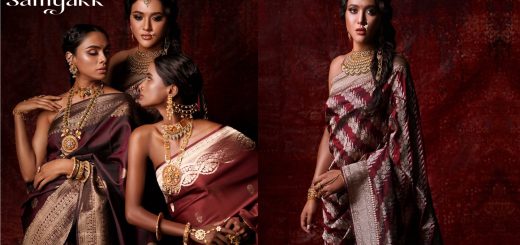
- Reputed Stores: Stores like Samyakk, Nalli Silks, and Kumaran Silks have long-standing reputations for quality and authenticity.
5.1 Reputable Online Retailers
When buying online, look for:
- Clear Product Descriptions: Detailed information about silk type, zari composition, weaving technique, and weight.
- High-Resolution Images: To examine the weave, colors, and designs closely.
- Silk Mark Certification: Ensure the online store explicitly mentions and ideally shows the Silk Mark.
- Customer Reviews and Testimonials: To gauge the store’s reputation and product quality.
- Return Policy: A clear and fair return policy is crucial for online purchases.
Chapter 6: Caring for Your Kanchipuram Saree – Preserving its Legacy
Proper care ensures your Kanchipuram saree remains a timeless heirloom.
6.1 Washing and Cleaning
- Dry Cleaning is Recommended: Always opt for professional dry cleaning for Kanchipuram silk sarees to preserve their delicate silk and zari.
- Spot Cleaning: For minor, water-soluble stains, gently dab with a clean cotton cloth dipped in plain water. Avoid rubbing.
6.2 Storage Tips
- Air After Use: Always air out your saree after wearing it to remove any moisture or odors.
- Fold with Care: Store unfolded in a cool, dry place, ideally wrapped in a soft, breathable muslin or pure cotton cloth.
- Avoid Hanging: Long-term hanging can cause stress on the silk threads and lead to creases.
- Refold Periodically: Refold your saree every 3-6 months along new creases to prevent permanent fold lines.
- Protection from Pests: Place neem leaves or silica gel packets (not directly on the saree) in your storage area to deter insects and absorb moisture.
- Avoid Naphthalene Balls: The chemicals in naphthalene balls can damage silk and zari over time.
Conclusion: Embrace the Elegance of Kanchipuram
Purchasing a Kanchipuram saree is a truly special experience. By understanding its intricate details – from the purity of its silk and zari to its unique weaving techniques and traditional motifs – you can confidently select an authentic masterpiece. This guide aims to empower you on your journey, ensuring you not only find a beautiful saree but also invest in a piece of India’s rich cultural tapestry that you’ll treasure for years to come.
Also Read:-