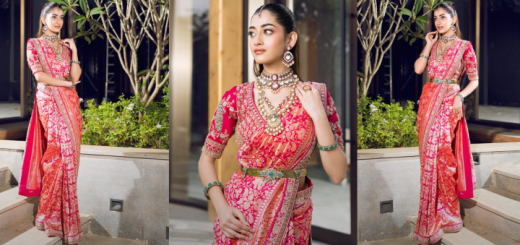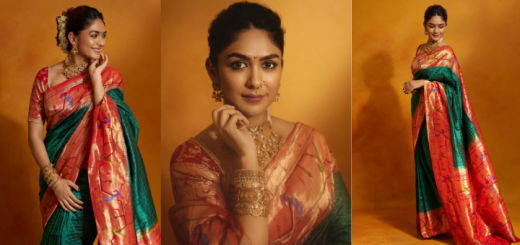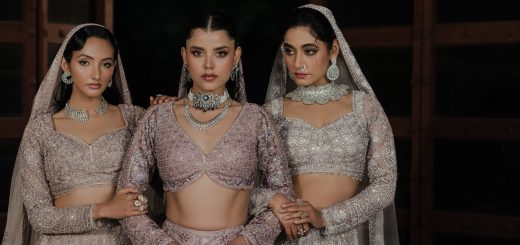
Different Types Of Handloom Sarees You Need To Know
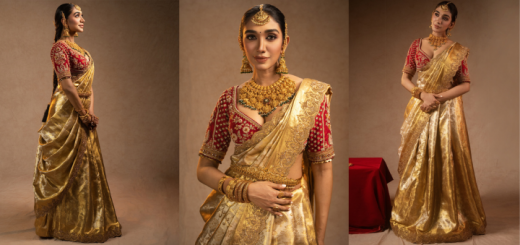
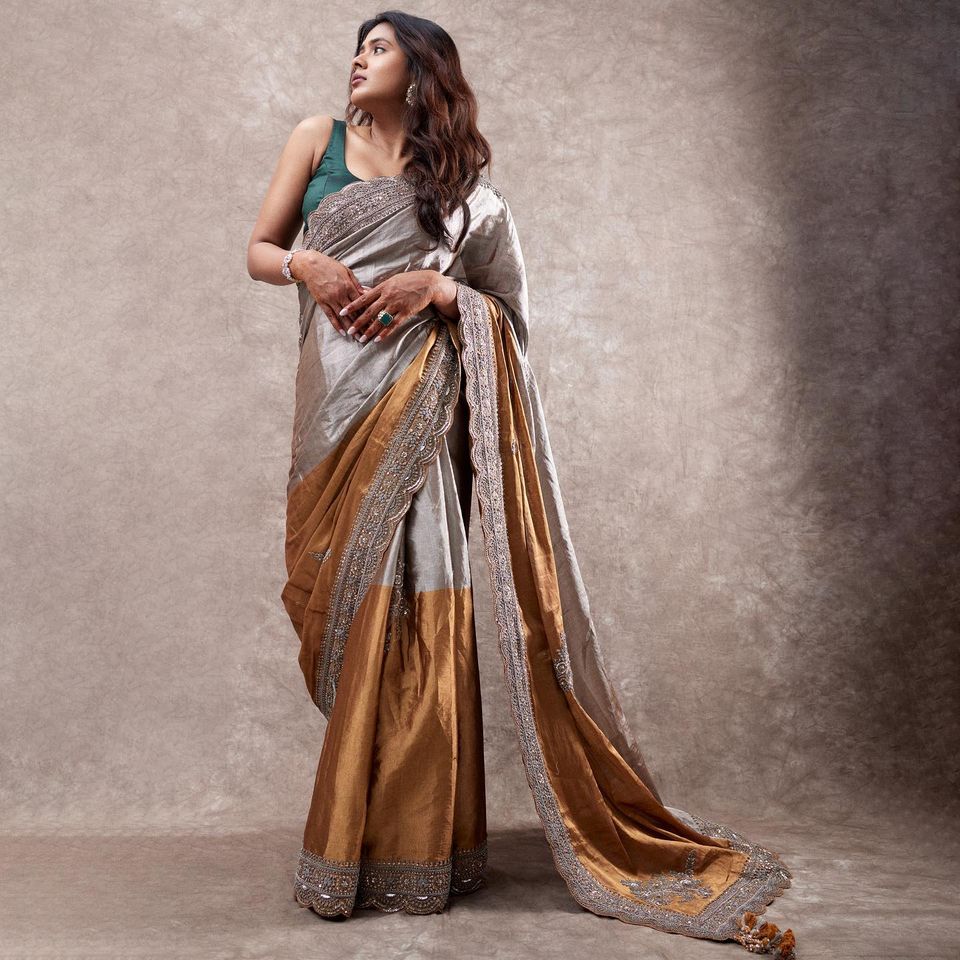
Wish to curate a heritage wardrobe? The timeless and royal handloom sarees can do the needful. The handloom sarees like kanjivaram, banarasi, uppada silk, paithani, and chanderi sarees are a proud representation of exquisite creations by the skilled craftsmen. Woven with love, dedication, and precision, the handloom sarees are a legacy, a family heirloom, history, tradition, and an intention to support the local artisans. These sarees are magical, and they create memories, emotions, sentiments, and stories. These sarees can also anchor your wardrobe with the outfits that last a lifetime. These handloom sarees and weaves deserve a place of pride in your wardrobe.
What exactly is a handloom saree?
When a saree is crafted or woven on looms that are operated or handled manually, it is called a handloom saree. There is no use of a machine or electronic device to craft or weave these sarees. The evidences of such sarees are mentioned in the Rig Veda, ancient texts, scriptures, and even Greek and Chinese travelers have given accounts of such textile productions. Handloom is a unique weaving tradition and stands out due to the labor-intensive process and exquisite craftsmanship. The handmade aesthetics, durability, originality, fabric, texture, and nature-inspired traditional motifs make the handloom sarees unique, sustainable, and eco-friendly. The experts and skilled men pass down the technique of loom weaving to generations, and the craft continues to shine out.

Why Women Prefer Handloom Sarees?
There are a multitude of reasons why women and fashion enthusiasts around the world prefer pure handloom sarees like kanjivaram, banarasi, and chanderi sarees.
✔ India’s rich cultural heritage is reflected through these sarees that are woven by hand. Each story tells a unique tale and celebrates Indian artistry, craftsmanship,
royalty, and tradition.
✔ These sarees feature ornate and intricate patterns that reflect nature-inspired designs and inspiration from Mughal times, cities, regions, etc. The mountains, flowers, temples, peacocks, and animals are often the inspiration behind the motifs used in handloom sarees.
✔ The sarees cause minimal environmental impact and are eco-friendly. Draping these sarees means being sensitive to sustainable practices, the environment, and nature.
✔ The sarees are natural, comfortable, skin-friendly, and are available in a wide range of designs, colours, and prints. The sarees like Kanjivaram and banarasi are crafted from ultra-fine silk fabric and offer matchless strength and appeal to the sarees.
✔ The sarees are also preferred for softness, breathability, elegance, royalty, and class.
✔ When a woman opts for or buys this saree, she supports a local artisan and contributes to preserving local traditional craft.
✔ Overall, the sarees are a celebration of rich cultural craft in India.

Types Of Handloom Sarees
Kanchipuram – The Kanchipuram or Kanjivaram sarees that hail from Tamil Nadu are famous for the heavy silk fabric and lustrous finish. The sarees also feature borders that contrast with the body. The sarees are popular wedding staples, and the most after choice for durability and use of pure mulberry silk. Vibrant colours and contrast border and pallu that are woven separately are the highlights of the Kanjeevaram handloom sarees.

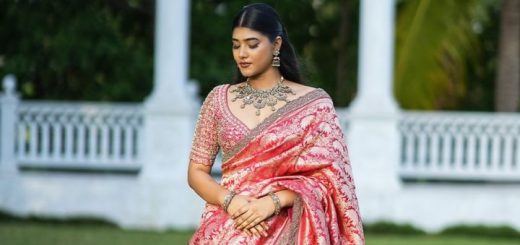
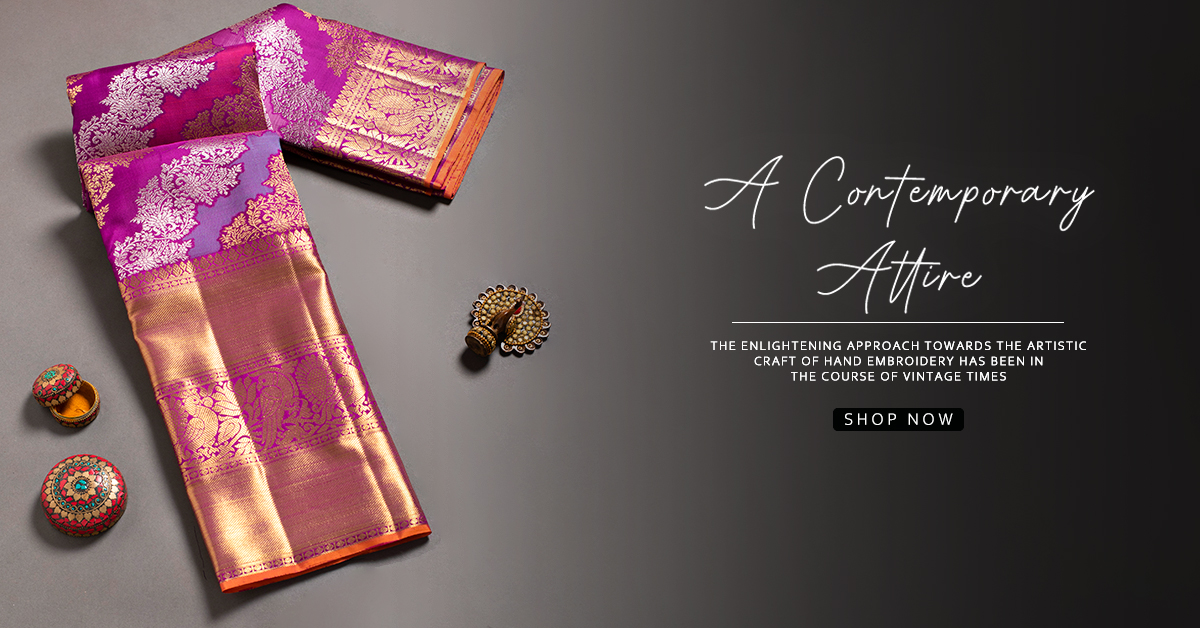
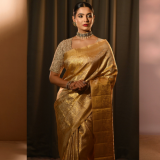
Banarasi – These sarees are renowned for the gold and silver brocade threadwork. A banarasi handloom saree is crafted from finely woven silk and features intricate and ornate designs made using the zari. The Mughal-inspired or Persian-inspired motifs are the heart and soul of the banarasi sarees. The sarees have their origin in the city of Varanasi (Banaras) in Uttar Pradesh.

Chanderi – The sarees are said to be produced in the Chanderi town of Madhya Pradesh and are versatile options for festivals, weddings, and events. Lightweight and sheer fabric are the key features of the sarees. They are distinctive ethnic wear and are a response to exclusivity, class, and grandeur.

Uppada -These are our silk sarees woven in the jamdani-weaving technique. They hold exclusive designs and make the women shine on many occasions. They emerged as Uppada sarees from the town of Uppada in Andhra Pradesh. Paisleys, florals, and geometric designs define these sarees’ characteristics. The saree is lightweight and breathable and is crafted primarily in pure silk.
Kasavu – Kasavu sarees are not just garments but a proud handloom of Kerala. Typically worn during festivals and weddings, these sarees represent the culture and tradition of Kerala. These cotton silk sarees in off-white base with a gold zari border are known as mundum neriyathum and are an important part of the Onam festival.

Paithani – These sarees feature rich silk fabric and hail from Maharashtra. The peacock motifs define these sarees and are available in vibrant colours. Intricate designs and elaborate pallu of Paithani sarees make them popular options for festivals and weddings.

Pochampally – The geometric patterns like stripes, buttis (circles), or checks are the key features of Pochampally sarees. The sarees created using the ikat dying technique originate from the Bhoodan Pochampally region of Telangana.
Patola – Patola sarees are distinctive for their double ikat weave, eclectic colours, high durability, and floral designs. Just like other handloom sarees, these sarees are family heirlooms and passed down to generations.

Sambalpuri Cotton – These sarees are famous from the region of Sambalpur in Odisha (Orissa), and popular for the double ikat weaving pattern. The sarees are mostly preferred for daily wear, casual outings, and small gatherings.

Jamdani – These sarees are crafted from fine muslin fabric and are light, cool, and summer- friendly. The sarees feature flower and geometrical shapes and are traditionally festive sarees. The sarees from the region of Bengal are created by using extra threads in the base fabric. The extra threads create designs that appear to float. The sarees are a labor-intensive art form.

How to buy handloom sarees online at Samyakk?
Samyakk has everything you need to find the perfect handloom silk saree. You can browse through the extensive range of cotton, Banarasi, Kanjivaram, Chanderi, Paithani, and many other types of handloom sarees online from the comfort of your home. By using the filters that allow you to search by fabric type, colour, price point, etc., you will be able to easily filter your search results down to exactly what you’re looking for. Secure payment options, a user-friendly website, a viral calling feature, and excellent customer support also make the handloom saree journey interesting and smooth. Moreover, the reviews, high-resolution images, and descriptions make it a seamless shopping experience for users. Samyakk provides you with a hassle-free experience, and you will be able to enjoy shopping for your next handloom saree!

How To Maintain the Handloom Sarees?
When it comes to caring for your handloom sarees, such as cotton sarees, Banarasi sarees, Kanjivaram sarees, Chanderi sarees, and Paithani sarees, you should treat them with love and regard so they remain looking beautiful. Hand wash in cold water with a mild detergent or take it to a professional dry cleaner. Do not twist or ring out your saree; simply squeeze out excess water and dry in a shaded area. Iron when the saree is a little damp at a low temperature. Ironing from the reverse side will avoid causing damage to the fabric and/or designs. Fold your sarees or roll them up to prevent creases and/or damage while storing. But with gentle handling, you will enjoy your beautiful handloom sarees for many years to come.

Frequently Asked Questions (FAQs)
What are the most famous handloom sarees in India?
Kanjivaram, banarasi, tussar, and paithani are famous handloom sarees in India.
Why are handloom sarees expensive?
The handloom sarees are traditional, diverse, and named after the region. They are not machine-made and involve a lot of time, skill, labour, and dedication. The sarees are investment pieces and can be passed on to generations. They are also eco-friendly and are crafted without harming any aspect of the environment.
Also Read:
Filmfare OTT 2025: The Night Belongs to Alia, Ananya, and Vicky