Finding the Perfect Ethnic Wear for the Upcoming Festival
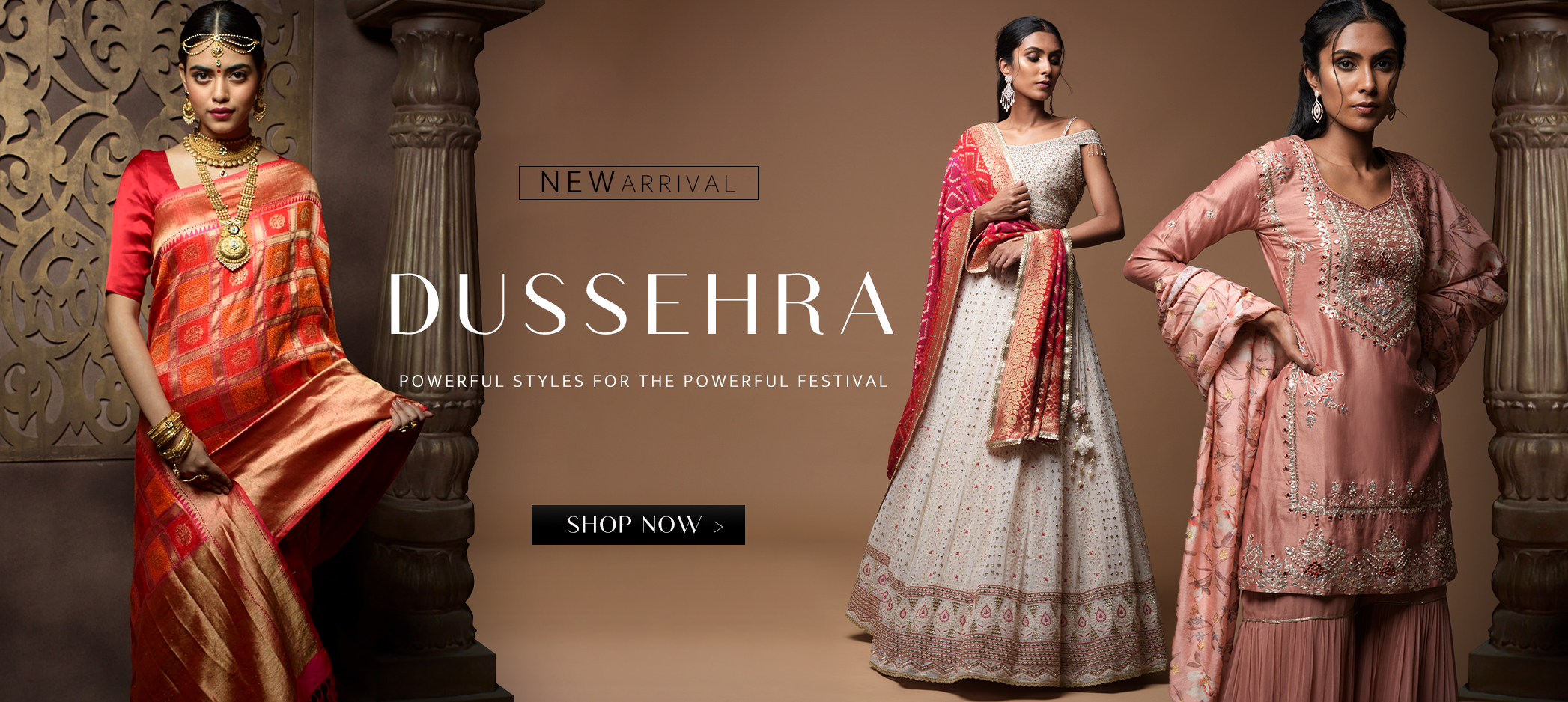
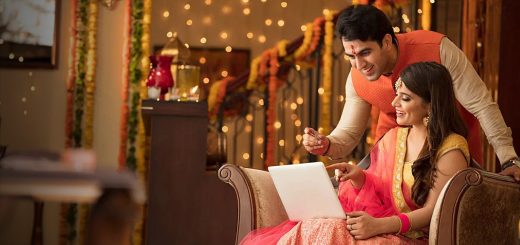
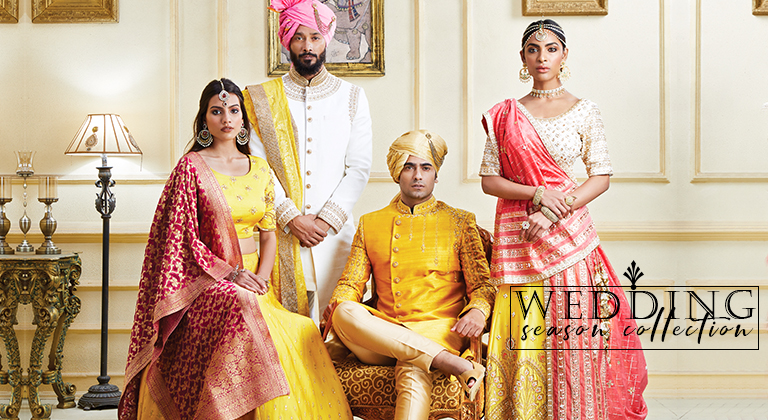
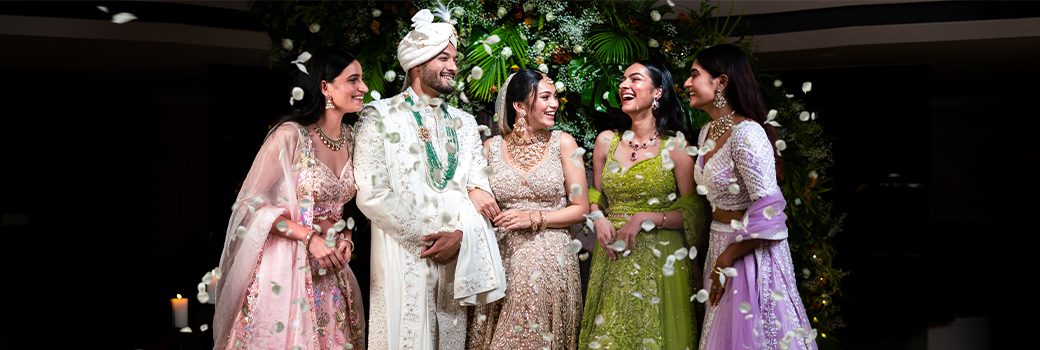
We keep talking about top-notch fashion for modern celebrations. But festivals in India and ethnic wear with heritage vibes are inseparable. The joy, charm, and royalty reflected in the dresses just make the festivals fun, memorable, and a great experience. Saying that, we can infer that, as a festival is a celebration of culture, the festive ethnic wear too is a part of Indian culture and tradition. The salwar kameez designs, kanjivaram sarees, heavy border suits, shararas, and embellished kurta sets for men are just magical and a visually appealing sight. Whether it is Diwali, Navratri, Holi, or a dandiya night, the kurta sets for men, the lehenga cholis, the classic Paithani sarees, and the Nehru jacket sets just shine bright. The clothing has a prevalence in regional festivals like Diwali, Onam, Eid, Karwachauth, etc. Let’s have a look at some traditional outfit ideas and the elements that make them festive for men as well as women.
What Are The Key Components to Keep In Mind For Festive Outfits?
-
The Fabric
Ethnic and festive fashion depends a lot on the fabric. A fabric can be an epitome of culture; for example, silk, brocade, and velvet hold luxurious symbolism and regional identity as well. A cotton red border saree is famous in Kolkata, India, for the Durga Puja celebration. Men wear silk kurtas with a vesti (dhoti) in the Southern region for the Onam and Pongal festivals. Cotton and crepe sarees featuring bandhani prints are the showstoppers for Rajasthani and Marwari ladies.


-
Work or Embroidery
Embroidery plays an extremely creative role in Indian puja and festive attire. Elements like zari, gota, cut-dana, and mirror-work are also considered auspicious in some regions. It is also said that sheesha is good to ward off negativity and a good symbol for marital bliss and prosperity. So Lucknowi kurta for men or Anarkali laden with mirror work are staples for Indian festivals and celebrations. Similarly, women from Bengal love to embrace the kantha work saree. For South Indian women, a Kanjivaram saree with zari embellishment is a vision of beauty.


-
Colour
Colours are not just a part of clothing; they are a living legacy. Yes, shades like red, maroon, pink, yellow, green, and orange have always dominated Indian festive attire. It’s because they signify prosperity, bliss, joy, celebration, and the ethnic mood and festive vibes. While a red kanjivaram saree is about marital bliss, a yellow kurta for men can be great for a haldi event. Men and women prefer to wear orange and yellow dresses for Basant Panchami. Women in North India, especially Delhi and Punjab, love to adorn themselves with heavy red sarees for Karwachauth celebration.


-
Comfort
Festivals mean all-day fun, long-hour duties, and fun and frolic. It is important to enjoy the festivals while being comfortable with your ethnic wardrobe. Fabrics like silk and velvet offer luxurious appeal as well as comfort, along with traditional elegance. Palazzo suits, simple cotton Nehru jacket sets for men, linen crop top sets for women, and chiffon sharara suits offer comfort during summers. These fabrics offer cultural vibes along with breathability and comfort.


-
Fusion
Versatility, adaptability, and fresh trends are the buzzwords these days. The ethnic dresses, such as salwar kameez or men’s kurtas, look innovative and creative with fusion elements like belts, dupattas, side buttons, pastel hues, etc. So, if you can achieve cultural vibes with modern celebration looks, that’s certainly having the best of both worlds.


Ethnic Attires For Women
Festive Sarees
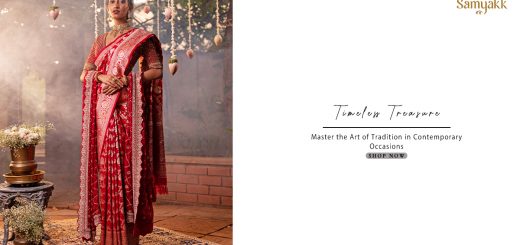
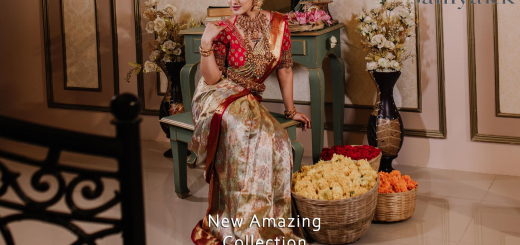
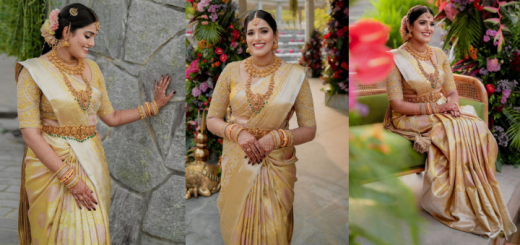
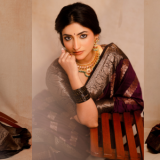
Festive sarees like bandhani printed sarees, kanjivaram sarees, Uppada silk sarees, Mysore silk sarees, and banarasi sarees connect women to rich Indian tradition and make them feel like a queen. The preference for heavy border sarees, embroidered sarees, and printed sarees is also based on elegance, heritage vibes, royal connection, and auspiciousness. Silk sarees with intricate work, zardozi work, and sequin embellishments are a legacy and traditional festival style sarees. However, women focus on adaptability and versatility for contemporary styling. They are tweaking the way they drape the sarees and also the blouse designs, such as halter, sleeves, peplum, and jacket blouses.
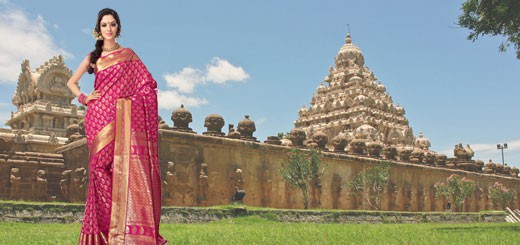
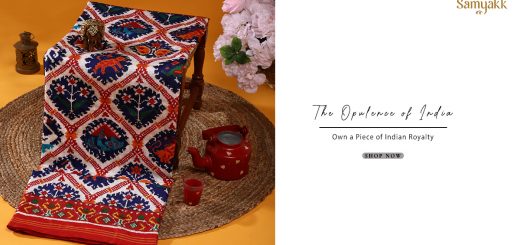
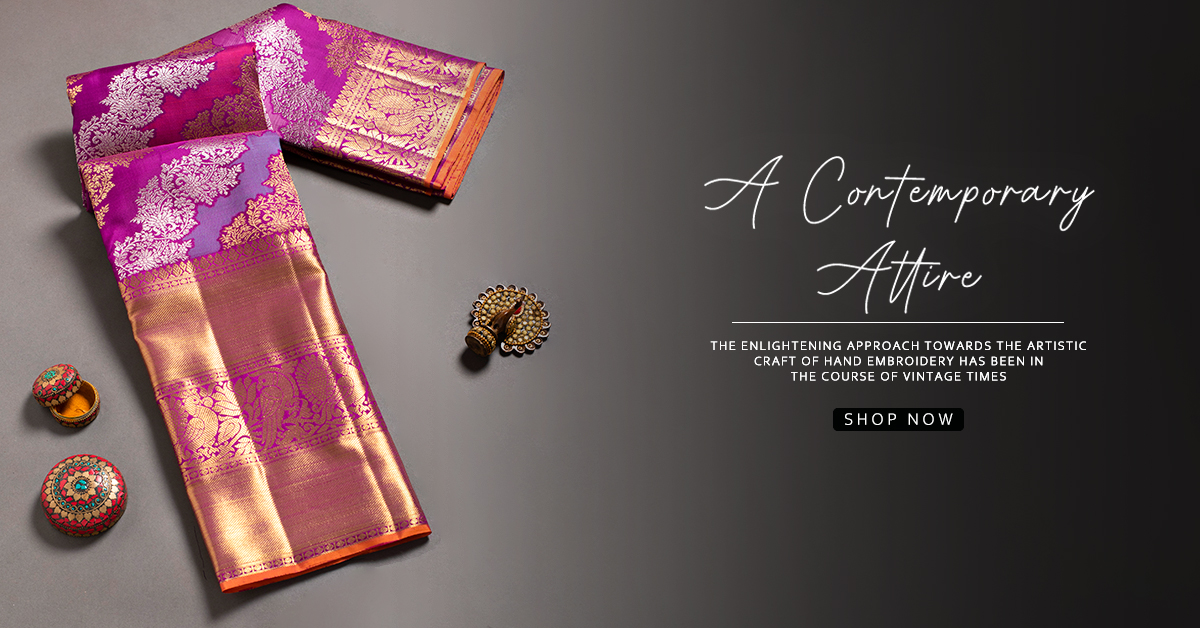
- Kanjivaram Sarees- Pure silk, zari embellishments, and temple border and motifs are a hallmark to make these sarees special for festivals. Contrast border, pallu, korvai technique, weaving, and nature-inspired motifs make these sarees popular for festivals.

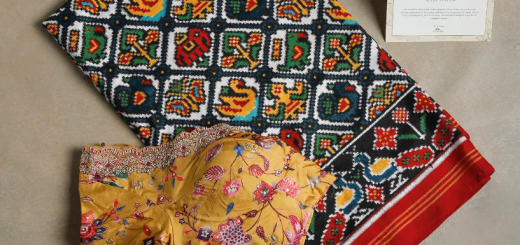
- Bandhani Sarees- Want one of the most treasured six-yard sarees? Premium bandhej or tie-dye print on the sarees from Gujarat and Rajasthan makes them high-end festive staples.

- Banarasi Sarees- The handwoven pure silk sarees are also famous for intricate zardozi work, Mughal-inspired motifs, and Persian roots. Banarasi sarees with pure zari threads make them a unique choice for festivals.

- Gotta Patti Sarees- The golden fringed border, lace, or detail on the edges of the sarees make the sarees beautiful and festive. Metallic lace or ribbon-like detail is added to the end of the saree, and that adds oodles of charm and shine.

- Tissue Sarees- You just can’t skip luminous tissue sarees for that festive glam. These sarees are lightweight, crisp, and versatile for that radiant look during puja ceremonies and religious occasions.

Salwar Kameez
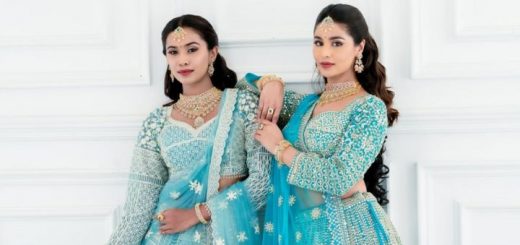
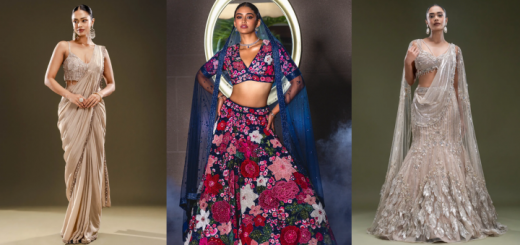
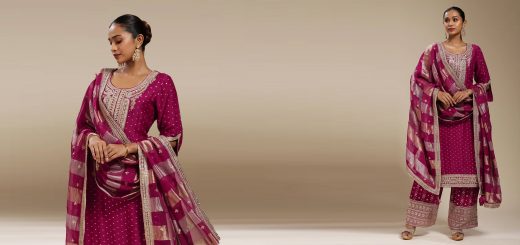
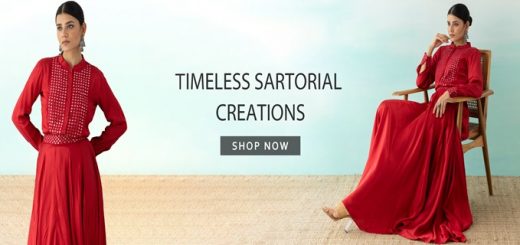
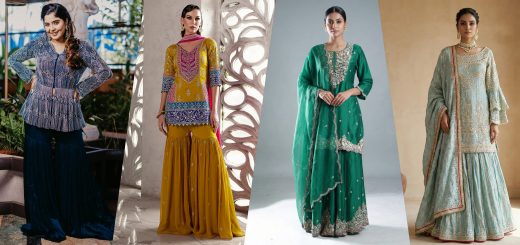
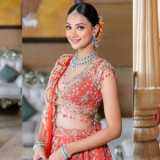
Salwar kameez are an emotional connection to Indian history. Anarkalis, sharara suits, straight suits, etc are evolving to suit the needs of modern women. They are available in muted, bold, bright, and metallic hues to suit various festive needs such as puja, religious ceremony, party, or a gathering. Anarkalis and shararas are regal, classic, luxurious, and look visually appealing with subtle embellishments like sleek border design. Short salwar kameez, Patiala suits, and shararas are ideal ethnic wear for Indians, especially Punjabi women, for their active and joyful celebrations like Lohri, Baisakhi, Guru Parab, Karwachauth, etc.
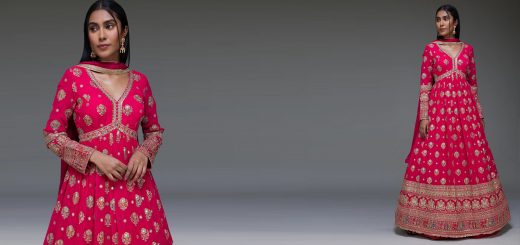
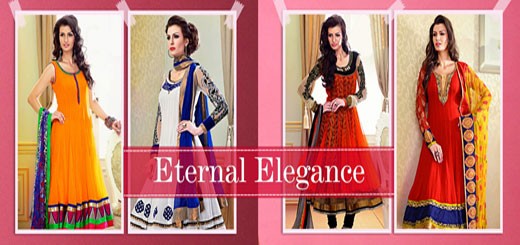
- Anarkali Suits- Talk Anarkalis and you already get a celebratory vibe. Adorned with sequins, mirror-work, cut-dana, and rich resham and zari work, Anarkalis can define a royal look for festivals.

- Sharara Suits- The sharara suits are equally glam and twirling dresses to have fun during festivals. These festive fashion dresses are universally flattering and ideal for summer as well as winter festivals. Sharara and gharara are both in trend for the upcoming festivals in 2026.

- Crop Top Suits- Women who love to adorn themselves with fusion and Indo-Western styling must go for crop top salwar kameez designs. The bold crop top can be paired with pants, palazzos, or shararas, and you can add a jacket or cape featuring rich embroidery for that festive appeal.

- Palazzo Suits- Palazzo suits elevate your look if you are seeking a high level of comfort. Yes, the airy and wide bottoms are a rage these days. You can pick embroidered bottoms for that traditional vibe and ethnic touch. You can be creative with straight cut kurtis, short kurtis, peplums, and crop tops with palazzos and add belts for a dramatic look.

Ethnic Outfits For Men
-
Chikankari Kurta Set
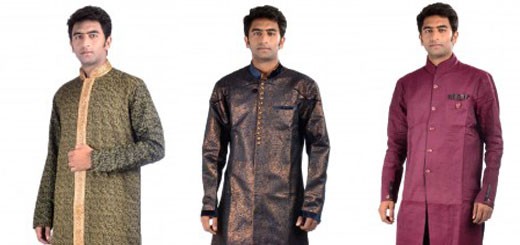
The age-old embroidery work makes kurta sets or Nehru jacket sets a premium choice for men during festivals. The chikankari work kurta sets are famous for ageless grace and vintage appeal. Men can add a dupatta in contrast hue for a bright festive look.

-
Nehru Jacket Set
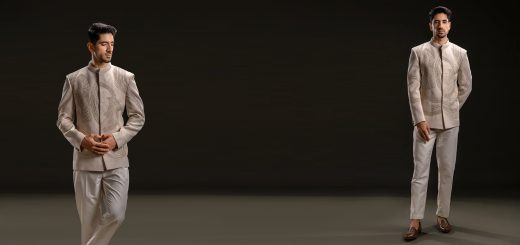
The embroidered jacket with a kurta set makes the attire festive and graceful. Men can reflect cultural heritage and festive vibes with the ultimate three-piece set. Look for contrast hues and trendy bottoms for a dramatic and Indo-Western appeal.

-
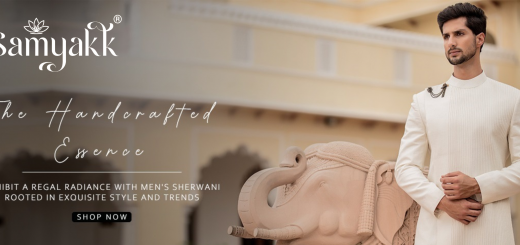
Cotton/Silk Jodhpuris
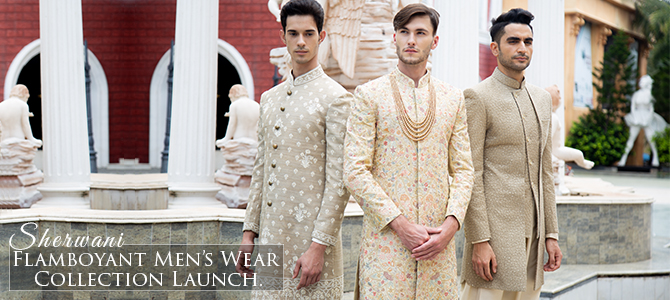
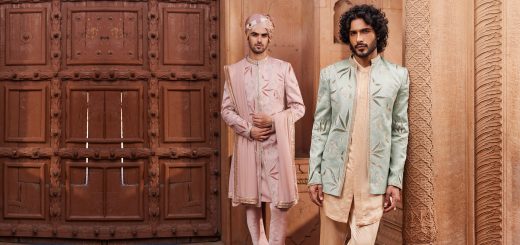
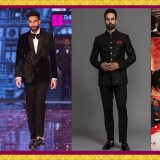
Jodhpuris or bandhgalas are ideal festive dressing for men who wish to remain connected to their roots. The designs boast of tradition and exclusivity. The rich and royal Jodhpuri sets with open front jackets or bandhgalas can add a whole new meaning to men’s festive wardrobes.

Whether it is a Nawabi style for men, a Rajasthani vibe for women, Samyakk covers it all with innovative festive wear for the upcoming season. From kurta sets in rich silk to sharara suits in chiffon fabrics and royal banarasi and kanjivaram sarees to ethnic bandhani printed Marwari sarees, there is a style for every soul and every mood at Samyakk.
Frequently Asked Questions (FAQs) on Ethnic Wear
What are the best men’s kurta sets for a festival?
If you want to go for a high-shine look, mirror-work kurtas are just apt for you. For a simple and suave look, colourful cotton solid or printed kurtas are the best bets. For a royal and extremely traditional vibe, you can switch to Jodhpuris.
What blouses are best for the festive sarees?
Pair embroidered, sequined, or designer blouses with festive sarees for rich aesthetics. For trendy vibes, you can go for edgy blouse designs like sleeveless, boat neck, or crop top blouses.
Can women wear kurtas for festivals?
Absolutely! You can pick kurtas or kurtis featuring zari details, rich hues, jackets, or embellished borders. Opt for green, mustard yellow, and bright pink shades for the festive radiance.
Also Read: