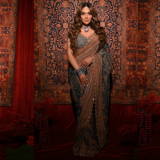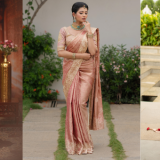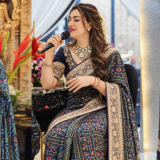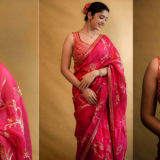
How to Drape a Saree to Look Slim and Secure: 10 Modern Styles by Fabric Type
Let’s be real for a second. We’ve all been there: you wrap a gorgeous saree, look in the mirror feeling like royalty, and then you take three steps and realize your pleats are sliding, your pallu is staging a mutiny, and you look like you’re wearing a canvas tent instead of a sleek outfit.
The struggle is entirely real. But looking slim and feeling secure in a saree isn’t about pulling it so tight you can’t breathe or standing like a statue all night. It’s about knowing how the fabric actually moves and using a few quiet tricks to lock everything into place.

Before we look at the styles, let’s clear out the rookie mistakes that add unwanted bulk and ruin your drape.
The Anti Bulky Blueprint (Stuff That Actually Matters)
- Ditch the traditional cotton petticoat: That thick cotton drawstring creates a weird, lumpy ridge right around your waistline. Switch to a stretch-knit shapewear skirt or a mermaid-cut slip. It flattens everything out and gives you a clean canvas.
- Put your heels on first: Do not drape your saree barefoot and then put your heels on later. Your height changes, your posture changes, and suddenly your floor clearance is totally off.
- The invisible anchor trick: When you tuck your front pleats into your waistband, don’t just shove them in and hope for the best. Take a small safety pin and pin the innermost pleat directly to the inside of your shapewear waistband. This transfers the weight off your waist and onto your hips so your pleats don’t fan out when you walk.
10 Modern Saree Styles Sorted by Fabric Type
Every fabric has a personality. Treating a stiff organza the same way you treat a liquid satin is a recipe for disaster. Here is how to style your wardrobe based on what you’re actually wearing.

Silk & Kanjeevarams: Taming the Structure
Heavy silks are gorgeous, but they can easily add visual weight if they puff out at the hips. The trick is vertical lines and compression.

1. The Structured Mermaid Drape
- Best for: Heavy Kanjeevarams and Banarasi silks.
- The fix: Instead of tucking all your front pleats dead-center, pull the lower edge of the pleats slightly toward your left hip. This creates a subtle fishtail shape that hugs your hips before flaring at the floor. Keep your front pleats narrow (about 4 inches) and press them down flat with a warm iron before tucking.
2. The Contemporary Front-Pallu Silk Drape
- Best for: Rich Patola or lightweight Chanderi silks.
- The fix: Instead of throwing the pallu over your back, bring a shorter, neatly pleated pallu across your front right shoulder. It creates an instant vertical line right down the middle of your chest, drawing the eye inward and making you look instantly taller.
Chiffon & Georgette: Fluid and Weightless
These are the easiest to make slimming because they cling to your body, but they love to slip.

3. The Slim-Pleat Cocktail Drape
- Best for: Plain georgette sarees with heavy designer blouses.
- The fix: Make your front pleats really narrow—about 3 fingers wide instead of the usual 5. Pin them together vertically from the inside so they don’t balloon outward. Let the pallu flow freely over one shoulder without pleating it (an open pallu), which creates a soft, continuous vertical column.

4. The Belted Modern Minimalist
- Best for: Printed chiffon sarees for daytime events or brunches.
- The fix: Drape normally with narrow pleats, but lock everything down by wearing a sleek metallic or leather belt at your natural waist. The belt anchors your pleats so they literally cannot shift, and it gives you an instant hourglass shape.
Satin & Silk-Blend: The Liquid Drape
Satin hugs every single contour, which is amazing until it starts clinging in weird places or sliding off your shoulder.

5. The Bias-Cut Slip Drape
- Best for: Pure silk satins and liquid metal sarees.
- The fix: Because satin is slippery, make sure your shapewear skirt has a bit of texture to create friction. Tuck the initial round securely without gathering excess fabric at the hip. Make sharp knife pleats at the front and pin your shoulder pallu securely to your bra strap so the fabric won’t slide off.
6. The Grecian One-Shoulder Twist
- Best for: Party-wear satin sarees.
- The fix: Twist the pallu loosely once across your chest before throwing it over your left shoulder. It gives you an asymmetrical neckline that draws attention upward and slims your torso.

Organza & Tissue: Architectural Volume
Organza holds its shape like paper. If it puffs out at your hips, it will instantly make you look wider.

7. The Flat-Pressed Paneled Drape
- Best for: Embroidered organza sarees.
- The fix: Iron your front pleats flat before you start draping. Instead of letting the organza puff out at the waist, pin the stacked pleats flat against your hip line underneath the inner wrap. This keeps your waistline looking sharp while letting the fabric flare only at the very bottom hem.
8. The High-Collar Cape Pallu
- Best for: Tissue sarees with heavy, stiff borders.
- The fix: Skip the traditional shoulder pleats entirely. Fan out the organza pallu completely and pin both corners across your back like a half-cape, leaving the front entirely clean and vertical.

Cotton & Linen: Crisp Everyday Modernity
Cotton can feel stiff and boxy if you drape it the traditional way. Modern styling is all about relaxed lines and effortless movement.

9. The Boho-Chic Linen Wrap
- Best for: Handloom linen and soft cotton sarees.
- The fix: Skip the tight waist tuck. Wrap the saree slightly higher up on your waist (just below your ribcage) to elongate your legs. Make casual, unstructured pleats and let the pallu fall unpinned in loose waves over your arm. Pair it with a modern crop top.

10. The Dhoti-Style Fusion Drape
- Best for: Lightweight cotton-silk blends.
- The fix: Wear matching leggings or fitted trousers underneath your saree. Tuck the inner edge into your waistband, create trouser-like pleats between your legs, and wrap the remaining fabric around your waist. Zero bulk, total freedom of movement, and completely secure.
Frequently Asked Questions (FAQs)
How can I stop my saree pleats from coming undone while walking?
The secret is internal anchoring. Once you form and tuck your front pleats into your shapewear waistband, take a small safety pin and pin through the front of the shapewear waistband and the topmost layer of your pleats from the inside. This locks the entire weight of the pleats to your inner skirt so they won’t swing open or slip out when you walk or dance.
What is the best blouse style to look slimmer in a saree?
To maximize a slimming effect, go for elbow-length fitted sleeves, V-necklines, or sweetheart cuts. Try to avoid high, stiff collars if you have a shorter neck, as open necklines elongate your torso and balance out the horizontal lines of the saree waist wrap.
How do I manage a heavy saree pallu without it slipping off my shoulder?
Always use a hidden safety pin to anchor your shoulder pleats directly to the inner shoulder seam or bra strap of your blouse. If your fabric is exceptionally heavy, make sure your pleats are neatly stacked and narrow so the weight distributes evenly instead of pulling sideways off your shoulder.
Also Read:-
How to Spot a Bridal Lehenga That Looks Royal But Lets You Dance All Night