Unspinning the Price Tag: What Makes One Pure Silk Saree Cost 3X More Than Another?
A woman standing at a counter in Kanchipuram last month held two deep crimson sarees in her hands. Under the ceiling spotlights, both looked like incredible rich silk, heavy gold borders, deep jewel tones. But the price tags told a completely different story. One was ₹18,000. The second sat at ₹72,000.
She looked up at the shopkeeper and asked the exact question running through your head right now: What am I actually paying for here?
It isn’t boutique markup. It isn’t brand hype either.


When you look past polished glass counters and velvet hangers, that price gap comes down to three raw physical realities: silk purity, genuine zari elements, and handloom labor hours. True luxury isn’t stitched onto a label at the end of a factory line. It gets locked into the weave by a master artisan sitting at a wooden pit loom for weeks on end.
A cheap powerloom copy looks fine on a mannequin today. An authentic handloom piece looks even better thirty years later when your daughter pulls it out of a wooden trunk.
The Yarn Difference: Pure Mulberry Silk vs. Blended Substitutes
Everything starts with the raw yarn. Master weavers in traditional silk hubs flatly refuse short-staple waste threads—they insist on long-filament pure mulberry silk.
When silkworms feed solely on fresh mulberry leaves, their cocoons yield extraordinarily long, continuous strands. When a weaver twists those threads together, ambient light doesn’t just slap against the surface like shiny plastic—it sinks into the thread core and reflects back out, creating a deep, liquid sheen.
Commercial powerloom setups take shortcuts to save money. They blend mulberry strands with tussar scraps, spun waste silk, or raw polyester filaments. Doing that cuts their raw material bill by half overnight—but the immediate casualty is the drape.
Touch, Weight, and Real Fluidity
Pick up the cloth and feel it for yourself. Real handloom silk feels heavy—and cool to the initial touch before quickly absorbing your body warmth. Pass a fold through your fist and you’ll notice it glides effortlessly without static cling or snagging.
When pleated, pure mulberry silk yields to gravity, hugging the waist and dropping straight down to the floor without puffing out like stiff cardboard. Synthetic blends feel papery or slick, trapping heat and scratching your collarbone after two hours at a wedding venue.


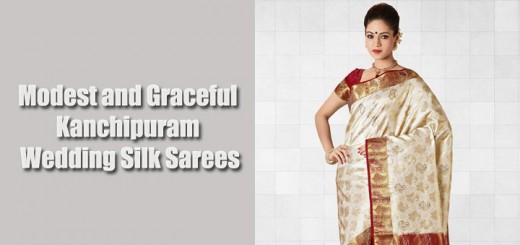
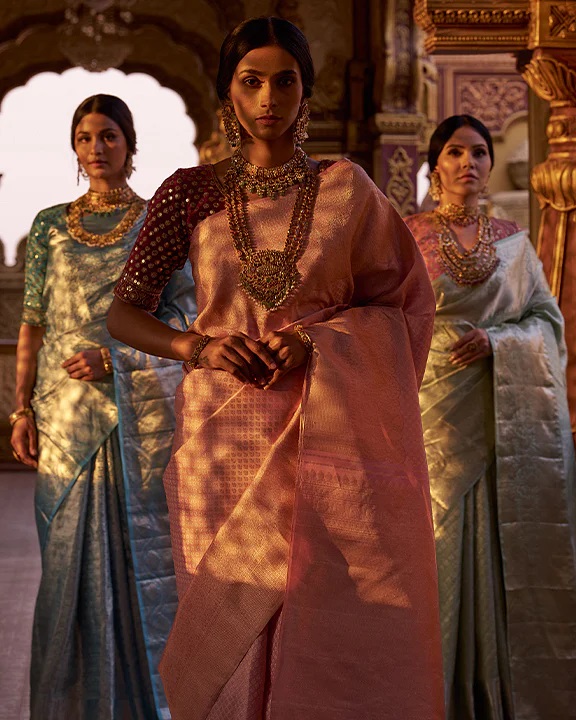
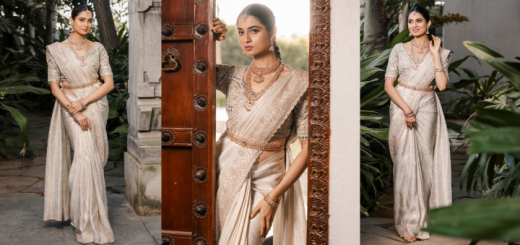
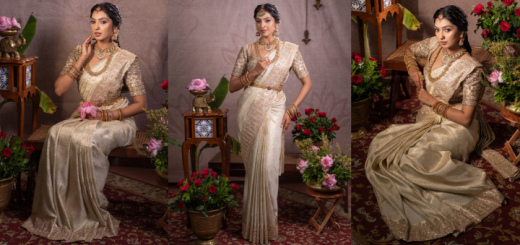
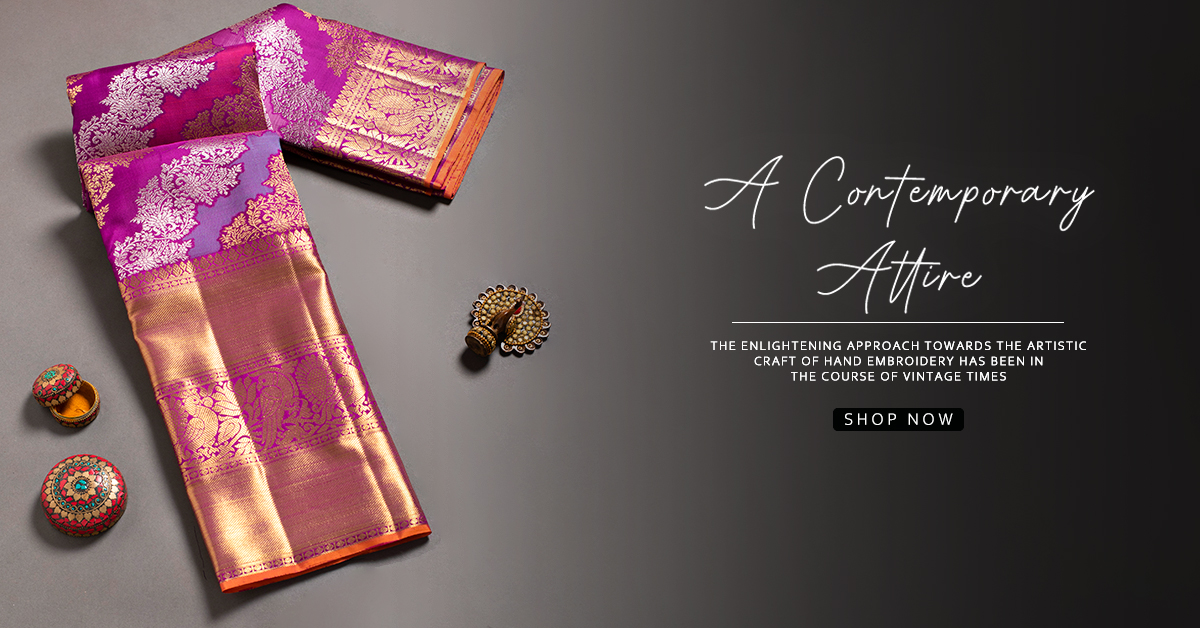
Pure Mulberry Kanchipuram Silk Saree
What’s Really in the Border? Zari Grade Verification
If silk yarn forms the body of a saree, zari is its soul—and by far its most expensive component. Authentic zari isn’t thread sprayed with gold paint; it’s microscopic silver wire wound around a core silk thread, then electroplated in pure 24-karat gold.
Cheap tested zari is just polyester thread coated in anodized aluminum that turns flat gray within months. Half-fine zari uses a copper core wrapped in thin silver. But real pure zari features a silver core leafed in solid 24K gold, carrying intrinsic bullion value that never drops.
How Weavers Test Zari Integrity
Before committing serious money to a drape, you should insist on proper zari grade verification. Experienced weavers test spools directly on the loom floor rather than relying on paper certificates.
Rub unstarched white cotton against the border—real silver-gold zari leaves zero dark residue on the cloth. Snip a single strand from the fringe and burn it with a match: synthetic thread melts into a plastic bead with a chemical stench, while pure zari chars quietly, smelling faintly of burnt hair from the inner silk core. Over decades, real gold-plated zari oxidizes gracefully into a warm antique patina.


Counting the Hours: Handloom Labor Hours
An automated powerloom in Surat running on electricity churns out thirty identical printed sarees in a single afternoon shift. A traditional pit-loom weaver in South India, working with his hands and feet in a dimly lit room, might take six weeks to finish a single saree length.
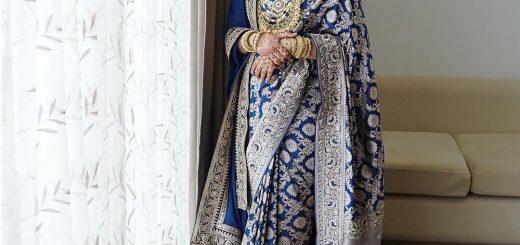
Handwoven Pure Banarasi Silk Saree
The Math Behind the Weave
On a traditional Kadhwa Banarasi or a heavy Korvai Kanchipuram, the labor starts long before the shuttle ever moves across the frame.
Loom setup alone takes 30 to 45 hours of painstaking preparation as two master weavers manually thread 6,000 to 10,000 warp ends through tiny reed eyes. Then comes motif inlaying. Inlaying intricate silver-gold buttis using small wooden spools called tiklis happens inch by painful inch, yielding less than three inches of progress during a strenuous eight-hour workday.
Complex bridal layouts demand anywhere between 300 to 600 handloom production hours. When you buy an authentic piece, you aren’t paying for fabric weight alone. You are paying for months of intense physical strain, eye-squinting focus, and mathematical precision executed entirely inside a weaver’s head.


Protecting Your Investment: Premium Weave Certification
Fabric softeners and chemical silicones can make cheap blended silk feel deceptively soft in a brightly lit store. Don’t fall for surface coatings. Always look for official premium weave certification labels before completing your purchase.
The Silk Mark label (issued by the Silk Mark Organisation of India) guarantees that both the warp longitudinal threads and weft latitudinal threads are 100% natural pure silk without synthetic filler fibers. Similarly, the Handloom Mark certifies that the piece was woven manually on a loom driven by human muscle, not an automated powerloom. These hallmarks act as your financial insurance policy when buying high-value textile art.
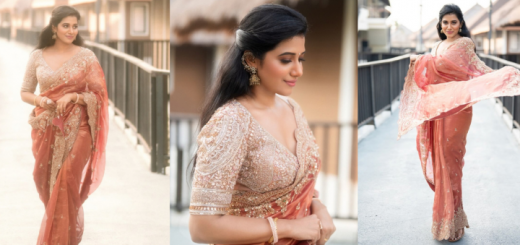
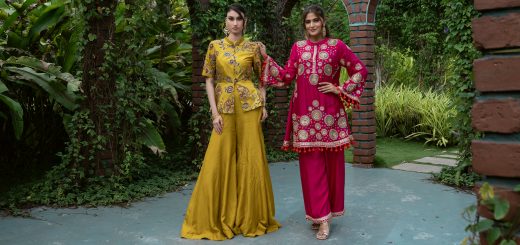
Authentic Handloom Silk Sarees Collection
Wearability & Aging: Luxury Silk Durability
Powerloom sarees look crisp when you buy them off the rack, but after a few wears, the structural weakness shows up. The warp yarns slip, thread friction creates fuzzy patches on the seat, and the metallic borders pucker along the seams.
Authentic hand-woven drapes built on pit looms offer unmatched luxury silk durability. Master weavers throw shuttles with high yarn twist counts and pack picks tightly using heavy reed beating, locking the woven structure for decades. The silk won’t pull apart at pin holes or stretch out of shape at the knees. Kept unstarched inside clean, breathable muslin wraps, a pure mulberry silk saree with real silver zari outlives its original owner.
When you purchase pure heritage silk from established houses like Samyakk, you aren’t just buying something to wear to next month’s wedding. You are securing an asset—a tangible slice of Indian textile history carrying real artistic and generational value.


Frequently Asked Questions (FAQs)
How can I quickly test if my silk saree is made of pure mulberry silk?
Burn a loose thread from the fringe; pure silk burns slowly with a singed-hair smell and leaves soft black ash, while synthetics melt into a hard bead.
Does pure zari tarnishing mean the silk saree is fake?
No, real gold-plated silver zari naturally oxidizes over years of exposure to air, creating a dark antique patina that professional textile restorers can polish back.
Why do two pure silk sarees with the same weight have vastly different prices?
The difference usually comes down to zari composition real silver and gold versus tested metallic thread—and the total handweaving hours required to weave the patterns.
Also Read:-
What Is Special About Karwa Chauth? The Speciality of the Festival and Its Special Colours