Behind the Weave – What Makes Pure Handloom Worth the Investment?
A Handloom Saree is Not Just a Saree!
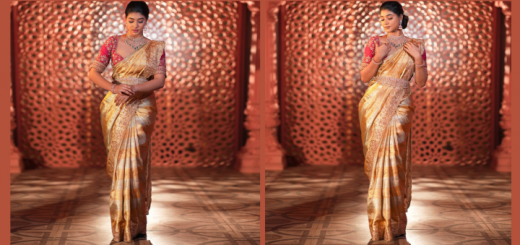
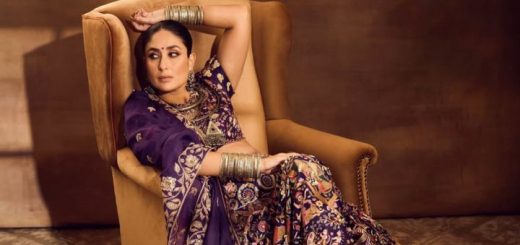
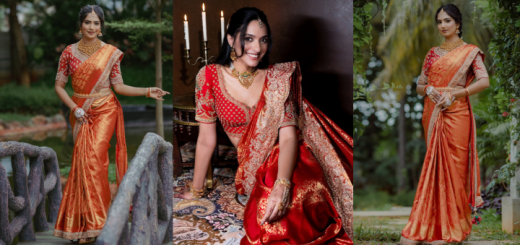
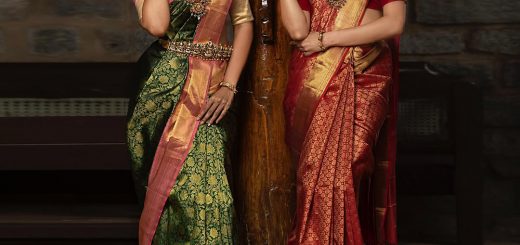
There’s something special about wearing a handloom saree! There is nothing that can be compared with the beauty of the material used, the beautiful design, and the whole process of making a handloom. A handloom saree will definitely not be just another dress in your wardrobe; rather, it will be your way of representing several years of tradition, artistry, and culture.
In the age of fast fashion, where trends change quickly and there’s mass production of clothing, there is still place for the handloom saree among people who enjoy ethnic wear. Unfortunately, their rather high price may give rise to several questions, especially when there are machine-made sarees that look very similar. Only after you learn about the whole process of weaving do you realize how valuable a pure handloom saree is!
Samyakk is the combination of traditional Indian craft with modern fashion.

1. Hand Weaving: Each Thread Tells Its Story
The first thing about the difference between the handloom and powerloom sarees concerns the technique of making the sarees. Indeed, handloom sarees are made by hand by specialists who use looms. At the same time, powerloom sarees are created with the help of machines that do most of the work. So, handloom sarees depend on the knowledge and skills of weavers.
Everything that the weaver does results in the final image of the saree. Whether it is about warping or interweaving the wefts, a lot of patience and skill is required. Moreover, the creation of elaborate images or borders may take much time and skill.
What makes handloom sarees unique is that all handloom sarees are individual. Despite the similar patterns, even small variations in weaving may create the uniqueness of products.
And it is just because of the individual nature of handloom sarees that these sarees are considered so precious. So, when you buy handloom sarees, you actually buy not only a piece of clothing but also a lot of time and traditions of weaving passed down through generations.
2. Premium Natural Fibers Do Make a Difference
Undoubtedly, the quality of material used in the process of production of particular items matters a lot. Many sarees that are handloom are made of natural fibers like silk and cotton.
For example, pure silk can boast such distinctive characteristics as natural lustre, softness, elegance, and drape. The artificial versions of silk are mere imitation of this natural fiber, but the latter has unique features of its own.
In case of cotton handloom sarees, they have breathability, lightness, and versatility. These sarees can serve you well for a long time.
As far as premium quality fibres are used together with hand weaving, the saree will look luxurious in every possible way.
These factors include the quality of yarn, its preparation, weaving process, and finishing method. The above-mentioned factors influence the overall cost of this item. That is the reason why handloom silk sarees are more expensive than ready-made ones.
3. The Time and Artistry Behind Each Handmade Saree
Another factor that is frequently overlooked regarding handmade sarees is the time taken in their creation.
Even though a machine might create a duplicate pattern much quicker, the handmade saree creation technique is multi-step. The number of days required to make a saree depends on its complexity. Intricate gold borders, the pallu, and traditional and brocade patterns all need to be created through a process of skill and consistency.
A luxurious fiber made into a saree by masterly hands results in a comfortable and beautiful saree.
It is the quality of fiber, pre-processing, weaving, and finishing process that determines the final cost. It is also for this reason that handmade silk sarees tend to be more costly than machine-made ones.
4. Time and Expertise Involved in Every Saree
One of the elements that have been disregarded in the manufacturing of handloom sarees is the time invested in making the sarees.
While machine-manufactured sarees can easily reproduce the same patterns with speed, the handwoven sarees need different processes before being completed. The amount of time taken to create a single saree depends on the complexity of the pattern. It takes more time for complex borders, pallu patterns, traditional patterns and brocaded patterns to be woven.
Some weaving techniques involve knowledge that cannot be obtained except through long practice. These techniques are usually inherited across generations by the weaving families, hence the importance of the handloom to Indian culture.
The manufacture of the pure handloom saree is very expensive because of the time invested in it. Rather than buying the product, it shows your appreciation for the efforts taken to produce it.
5. Machine Made vs Pure Handloom: The Main Differences
At first glance, there are no significant differences between machine-made and handloom sarees if they have the same color palette and the same design pattern. However, some aspects become clear on closer acquaintance with their manufacture and properties.
|
Feature |
Handloom Sarees |
Machine-Made Sarees |
|
Manufacturing process |
Manufactured manually |
Manufactured mechanically |
|
Workmanship |
Uses special weaving technique |
Does not use manual work |
|
Design |
May have unique weaving elements |
May always offer the same pattern |
|
Texture |
Has unique hand-woven characteristics |
May lack them |
|
Manufacture time |
More time required |
Less time required |
|
Uniqueness |
Slight variations may be possible |
Mass-produced |
|
Traditions |
Traditional |
Effective |
None of them can be considered the better option for all customers. Machine-made sarees may be practical and inexpensive; in turn, handloom sarees are chosen by people who value quality and traditions.
The important point is to know what you buy.
6. Reasons Why Handloom Sarees Are The Best Heirlooms
Fashion trends might change, but the classic beauty and traditions of handloom sarees remain timeless. There is something about handloom sarees that makes them perfect investments.
A handloom saree heirloom is much more than an article of clothing. It can be a saree that was worn at your wedding, presented to you as a unique gift, or one that has been loved by your mother or grandmother.
Traditional silk sarees with the classic zari border and stunning pallu always impress and make for the perfect sarees that can be passed on through generations in a family.
And here comes the concept of investing.
Where some fashion trends may go obsolete even before the new season arrives, a handpicked handloom saree will continue to fulfill its purpose for many years to come.
Not just the material of the saree but the entire history behind the saree makes it priceless.
7. Assisting Indian Weavers to Conserve Their Artistic Skills
Purchasing genuine handloom sarees is also good for the conservation of India’s tradition of artistic textiles.
There are different methods of weaving in India with each method being unique in its style of artistry. For example, there is the famous zari work of Banarasi silk and the motif designs of Kanchipuram silk, among other methods.
The artistry depends on weavers who have, through the years, practiced this art in order to keep it alive.
Through the purchase of genuine handloom products, the buyer ensures that these weavers will always be in demand for their skills.
Handloom weaving art is an art that is quite distinct from mass-production art in terms of employment opportunities.
This makes the purchase even more significant.

8. How to Identify Genuine Handloom Sarees?
With regard to the proliferation of products that mimic handloom sarees and their machine-made counterparts in the market, there is an urgent need to be able to identify genuine handloom sarees.
Below are some tips that can help in buying sarees:
The Handloom Mark: The Handloom Mark pertains to the certification program that helps identify genuine handwoven products.
The Silk Mark: Should you be planning to purchase a pure silk saree, then look out for the certification called the Silk Mark, which guarantees you that it is pure silk.
The Weave: The patterns of the weave may be different in handloom fabrics. Even though it may be an indicator of the authenticity of the product, it does not guarantee authenticity.
The Fabric Composition: It is important to know the composition of the fabric, whether it is pure silk, cotton, or a blend of the two.
The Weaving Technique: Good sellers will always be able to tell you about the weaving technique.
Finally, choose your sources well while buying sarees.
9. Identification of Handloom Sarees
Given that there are several goods based on the designs of handloom sarees, along with their machine-made variants which are available in the market, the need to identify the latter becomes imperative.
Some tips to keep in mind while purchasing sarees are as follows:
Handloom Mark: The term Handloom Mark is a certification scheme to mark genuine handwoven products.
Silk Mark: If you wish to purchase a pure silk saree, it becomes important to have the Silk Mark certification on it, indicating that it meets the required standards of pure silk.
Weave Pattern: There may be certain variations in the pattern of weave in handloom sarees. Though this may help in identifying the authenticity of the same, it does not confirm it.
Composition of Fibre: One needs to verify the fibre composition of the saree, which may be pure silk, cotton, or a combination of both.
Weaving Methods: The dependable vendors will definitely provide you with the required details about the kinds of weaving methods used.
More than anything else, ensure that you purchase sarees from credible sources that appreciate product descriptions.
10. What Factors Should Be Considered While Purchasing the Handloom Saree Worth the Money?
Buying a costly handloom saree becomes easy when the buyer begins considering the eternal features of the saree rather than fashionable ones.
Factors to keep in mind while purchasing the saree:
- Choose eternal colors such as deep red, royal blue, green, gold, ivory, maroon, etc. They never become out of date.
- Choose the design elements that can be used to create different styles. Zari borders, flower designs, and hand-woven pallus are some examples.
- Choose high-quality fabrics. Whether you choose silk or cotton depends on your personal preferences and occasions.
- Take the occasion into consideration. Rich weaving of the silk saree suits weddings, while handloom sarees suit festivities.
- Consider how durable the design is. Choose the design you will wear in the future and not the one that is only fashionable at present.
The right handloom saree can very well become your favorite piece of attire.
11. How to Maintain Your Handloom Saree: So That You Can Give It to the Next Generation
In the case of a pure handloom saree, taking care of it is of paramount importance to keep the texture, color, and intricacies of the saree in pristine condition.
Some basic methods of maintaining a saree are as follows:
- If suggested, dry clean it: This is particularly applicable to pure silk sarees and those that have been detailed. Protection from sun: Sun can cause fading of color
- Proper storage: Proper storage of handloom sarees is essential so that they remain protected from dust and other particles.
- Change folds often: This is done so that they do not get any creases permanently.
- Avoid moisture: They should be kept dry before being stored to protect them from mustiness.
- Take care while handling zari: While placing it on rough surfaces and while handling, take care because it can cause damage to delicate threads of metal.
Given proper maintenance, a decent handloom saree will last a lifetime.
12. Experience the Beauty of Handloom Sarees at Samyakk
A handloom saree is not only a dress but also a tribute to the artistic heritage of India, the efforts of skilled artisans, and the elegance of traditional textiles.
At Samyakk, you have the option to merge the elegance of classic style with modern trends in their range of ethnic wear collections. From looking elegant in luxurious silk sarees on your wedding day to dressing up in classic handloom sarees on occasions such as festivals or simply adding some timeless pieces to your wardrobe, there are many different collections for you to choose a saree from.
Experience the elegance of traditional art and pick the perfect saree from the collection of handloom sarees at Samyakk.
Choose a saree that has something to say about heritage and looks elegant throughout all the seasons.

Final Thought
Crafted with Skill, Rooted in Heritage, Cherished Through Memories
There is a lot more to the high price of pure handloom sarees than simply the cost of producing it. This is an investment in the craft of the weaver, the quality of the threads employed to make the saree, the effort and culture that go into producing each saree.
Though machine-made sarees can be quite easy to get and cheaper, there is a lot more to handloom silk sarees that makes them worthy investments – their uniqueness, culture, and heritage of many generations of skilled craftspeople.
Heirloom handloom sarees are great investments that can be passed down for many years to come, because they are not just great products to buy now, but also great ways to remember cultures that should survive.
Some things are not made to be replaced every season, but rather treasured for generations.
Also Read:
Frequently Asked Questions (FAQs)
Why are handloom sarees more expensive than machine-made sarees?
Handloom sarees are costly because they are made by skilled artisans with expensive natural fibers; the weaving process is traditionally done and takes a lot of time. Each saree needs so much time and efforts that make them a very valuable item for your ethnic wardrobe.
How can I determine that the silk sarees I am buying are authentic handlooms?
Search for the Handloom and Silk Mark on the sarees. Look at the fabric and design of the sarees. You may buy sarees from reliable retail stores to make a smart decision.
Can handloom sarees be considered an investment?
Yes. Handloom sarees are timeless and have traditional weaving and durable fabrics that can last for many decades when maintained properly. These sarees can be worn on various occasions and also handed over to coming generations.
What measures are required for preserving heirloom handloom sarees?
The sarees need to be packed in breathable muslin cloth and stored away from moisture, sunlight, and other environmental factors. Moreover, you need to re-fold the sarees from time to time.