Velvet vs. Raw Silk: Which Sherwani Fabric is Best for Winter Weddings?
In terms of the comparison between velvet and raw silk sherwani fabrics for winter weddings, it is no doubt that velvet is the winner for dealing with colder weather and providing a rich and heavy drape due to its thick texture that provides insulation as well as a luxurious fabric for heavy embroidery as for raw silk and it is more suitable for those grooms who have a clear preference of a stiff and structured look along with moderate warmth at the same time. The decision depends upon the temperature of the wedding, the place, the embroidery technique, and personal comfort levels.

1. Velvet Sherwani: A Luxurious Choice for Winter Weddings
Velvet is a fantastic choice for winter groom’s wear due to its stunning appearance and durability. Velvet has a thicker texture which helps to give it an edge over silk as it is warmer and perfect to wear in colder climates, outdoor celebrations, and evening receptions. Dark colors also become vibrant with velvet, especially dark shades like burgundy, emerald green, midnight blue, and black since these colors become richer when exposed to wedding lights.

Why choose a velvet sherwani?
Velvet is instantly associated with weddings; its exquisiteness and sophistication is incomparable. It has a denser texture than other textiles, hence breaking the ice in winter weddings or gatherings. It is also popular for high-class men and elegant evening celebrations.
How embroidery looks on velvet?
Rich embroidery offers a unique look when it comes to velvet. Gold zardosi, dabka, and metallic embroidery are some of the styles that create unusual effects on velvet fabric. Since velvet is thick, any overuse of embroidery can make the fabric feel heavy so it is best to keep embroidery to areas such as the collar, sleeves, and hem for balance.
2. Raw Silk Sherwani: Structured and Sophisticated
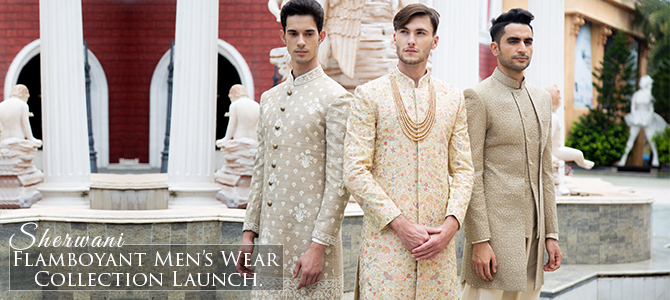
Raw silk is appreciated for its natural texture, delicate shine, and stiff drape. It has a subtle roughness on the exterior, giving a certain character and gentle look to the fabric as opposed to a crisp and stiff appearance of velvet. Although it does not give as much warmth as velvet, it is more efficient in this regard for those grooms who prefer light clothing for their wedding.

Why choose a raw silk sherwani?
The silk fabric provides a sharp cut and defined shapes, while it comes with an original texture and a gloss. The material has properties that make it possible to create intricate embroidery with zari, resham, and beads, allowing multiple layers and comfortable wear in moderate temperatures. The refined look turns out to be suitable for such occasions as daytime parties or for weddings that are held indoors in winter.
How embroidery looks on raw silk?
The fabric provides firmer surfaces due to which embroidery keeps the styles. Patterns that are made with zari and motifs of flowers and other forms made with resham look sharp against a background of raw silk. Unlike for instance, velvet, where embroidery is more like a raised contrast, with raw silk slight embroidered patterns appear blended with the fabric. The textile can be good for the grooms who need intricate decorated textile that does not seem to be heavy.

3. Velvet vs. Raw Silk Sherwani: Key Differences
There are advantages of using both velvet and raw silk when it comes to selecting a luxury fabric for men’s winter wedding garments. Velvet clothing provides proper insulation due to its softer and thicker structure. The material has a luxurious finish and, with the help of decorative elements, acquires the effect of three-dimensional textiles. In addition, velvet is heavier than raw silk, which makes it widely used for holding evening outdoor marriages.

On the other hand, raw silk provides some warmth along with its natural little bumpy texture. The fabric has a crisp finish, giving it a refined look and subtle shine. Embellished work looks clean and clear on the surface. Thus, raw silk, being a lightweight option compared to velvet can be opted for afternoon events, indoor parties, or slightly cold weather. The main difference between the two fabrics is that velvet emphasizes warmth and richness whereas raw silk gives the needed structure along with embroidery definition.

4. Best Colors for Velvet and Raw Silk Sherwanis
Selecting the appropriate shade enriches the fabric in terms of texture and look. Dark hues like wine, burgundy, emerald green, midnight blue, and black enhance the beauty of velvet when they are used with gold or metallic embroidery. Light shades of raw silk such as ivory, champagne, beige, dusty gold, and pale sage look graceful. Dark colored velvet brings out the richness in the fabric giving it a perfect look for evening occasions whereas light shades of raw silk gives the fabric a classy look for day-time occasions like weddings.

5. How to Choose the Best Winter Wedding Sherwani
Prior to making a choice between velvet and raw silk, think of these important considerations:
- Temperature: Velvet is ideal for colder outdoor ceremonies while raw silk is best suited for moderately chilly or indoor functions.
- Timing of the wedding: Velvet is perfect for evening events while raw silk is finest for daylight occasions.
- Type of embroidery: Velvet should be considered for dimensional metallic embroidery while raw silk is perfect for sharply cut patterns.
- Comfort: Keeping the weight of the fabric, lining and embellishments in mind.
- Fitting: Ensure the fitting is perfect, the sleeves are comfortable and space to move about in is adequate.

6. Final Verdict: Velvet or Raw Silk?
When trying to attend real winter weddings, velvet must be the best option. The reason behind the velvet’s choice is that its substantial structure contributes extra warmth. At the same time, due to its rather extravagant nature it gives a rich covering for the dazzling embroidery so that groomwear may look both stylish and pleasant to wear. Silk will be the best choice for those who prefer structured form, natural surface, and complicated embroidery but find adding an extra weight to the suit uncomfortable. Thanks to its construction and lightness silk fabric is the best option, if the wedding takes place indoors.
Frequently Asked Questions (FAQ)
Are velvet sherwanis preferable than raw silk for winter weddings?
Yes! The Velvet fabric is known to insulate better because of its thicker fiber design hence proving to be a better choice for winter weddings and outdoor events in general.
Is raw silk sherwani appropriate for winter occasions?
Yes. Raw silk works well even for winter occasions that happen indoor or in the mildness. With the proper layering, it provides sufficient warmth.
Which fabric is better for heavy sherwani embroidery?
Both fabrics can be used for heavy embroidery on ceremonial dresses. Velvet creates a three-dimensional effect in zardosi and gold embroidery whereas raw silk serves as a firm basis for zari and Resham embroidery.
Also Read:-
Velvet vs. Silk Bridal Lehengas: Which Fabric Is Best for Your Wedding