Banarasi vs. Paithani saree: What’s the Real Difference?
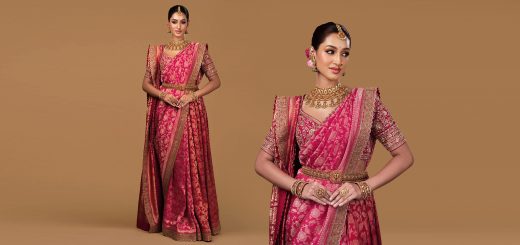
Banarasi and Paithani sarees are popular as the most sought-after drapes that are steeped in tradition and reflect cultural pride. Each saree is chosen for marital bliss, high-end ceremonies, gifting, and auspiciousness. The sarees are associated with the opulent craft and tradition of India and stand out for their beauty and refinement. The sarees are also timeless bridal favourites and symbolize luxury and class. The sarees possessing regal sophistication are the heart and soul of women in India and across the globe. Let’s delve into the similarities and differences of the sarees, as each hold unique charm and a deep-rooted cultural aesthetic and heritage.
History and Origin
Both the statues have prominent histories and stand the test of time for celebrating culture.
Banarasi Sarees
The history is imprinted in the community of weavers, the generations of whom have been working in Varanasi since time immemorial. Originating in Varanasi, Uttar Pradesh, Banarasi sarees are known for their imperial look. The Banarasi sarees are not an easy weave, but demands months of labour and utmost dedication. The rich silk fabric, intricate zari work, and timeless elegance of the sarees are mentioned in the early texts and have ancient roots. The sarees also hold royal patronage during the Mughal times.

Paithani Sarees
Paithan, Maharashtra, is the origin town of these exquisite sarees. The sarees have been influenced and encouraged in the past by the Mughals, the Nizams of Hyderabad, and the Peshwas. Paithani sarees are famous for their pure silk and pure gold threads and the tapestry method that makes the sarees reversible. It is also known that the weaving of these sarees began in the Satavahana era.

Fabric and Weaving
Both the sarees are crafted from superior material using our zari and silk threads.
-
Banarasi Sarees
Banarasi sarees are crafted of pure silk, georgette, and organza. They are also made from cotton blends and silk blends. Banarasi sarees feature the jacquard weaving technique for the ornate and all-over decorative design. Banarasi sarees give out a lustrous sheen and luxurious appeal. The sarees appear exotic, rich, and royal.

-
Paithani Sarees
The sarees crafted from pure mulberry silk possess strength and durability. The robust yet soft feel is acquired by the weaving technique of these sarees. Cotton and synthetics are also used to craft a Paithani saree. Bunkar kashi is the unique weaving technique applied to these elegant sarees. In this process, silk threads are interlocked and tied to warp threads. Pallu and border of the sarees are rich as craftsmen work with gold and silver zari to create floral patterns.’

Designs and Patterns
Both the sarees are a statement of luxury, class, and heritage in their designs and patterns. The motifs are unique and are inspired by nature, Mughal times, and Persian vibes.
-
Banarasi Sarees
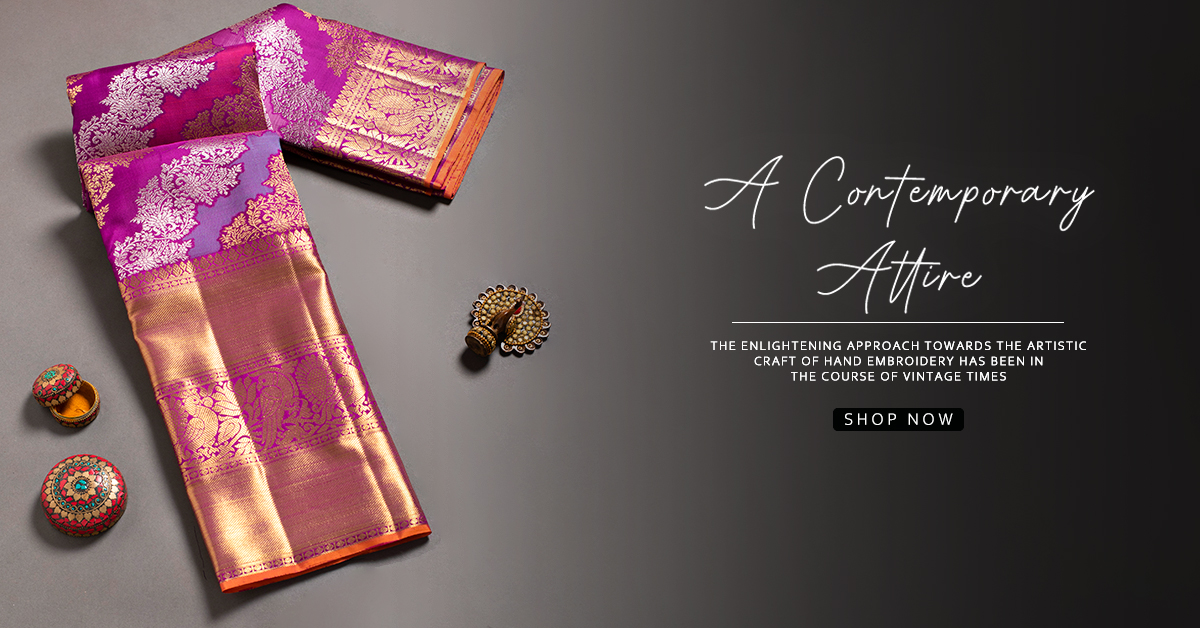
The motifs that preserve the royal essence of Banarasi sarees are geometrical patterns, floral veins, paisleys, peacock, and ornate designs. The sarees also feature all-over bel or butti design.

-
Paithani Sarees
The sarees are treasured heirlooms for beautiful peacocks and lotus motifs. The motifs used in the sarees reflect cultural blend and tradition. One can also find temple motifs and paisleys on the sarees. Paithani sarees feature a distinct pallu design with peacock designs and motifs.

Color Palette
Each colour of the saree tells a story of craft and tradition. The beautiful, soft, and bold shades let you dive into the wonderful world of Paithani and Banarasi sarees.
-
Banarasi Sarees
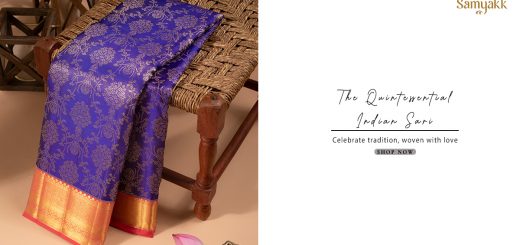
Apart from gold and zari work, what offers heirloom value to the sarees are the rich and royal colours. The mehendi green, maroon, red, gold, royal purple, and mustard yellow shades make the sarees shine out at the festivals and weddings.

-
Paithani Sarees
Traditional Paithani sarees feature red, yellow, blue, green, and orange. However, in modern times, you can find a broader selection of shades, including soft colours, pastels, and even multicolours. The colour characteristics in Paithani saree designs also contribute to vibrancy, and contrast the body and border combination.

Traditional Impact and Richness
Both the sarees are eye-catching and have stunning appearances. Both the sarees carry opulence and class.
-
Banarasi Sarees
Symbolize grandeur and luxury, Banarasi sarees are essential pieces for high-profile weddings and grand ceremonies. The sarees are heavy in appearance and are majestic in appeal. The sarees are passed down to generations as heirlooms and are reflective of Mughal-inspired regal opulence.

-
Paithani Sarees
These sarees are a perfect narration of the Maharashtrian legacy and culture and are a symbol of extravagance for festivals, cultural events, and weddings. The richness comes alive in the form of hand-woven tapestry, vibrant pallu, and artistic designs. A Paithani saree is a work of art for the fashion world.

Modernity and Versatility- Overall Comparison
In the modern era, these sarees don’t have a role only as heirloom pieces but are versatile enough to be worn for casual gatherings, parties, and modern occasions. With contemporary designs, edgy blouses, and modern aesthetics, they fit various occasions and preferences. Modern women create a unique look with these sarees by pairing them with statement blouses, belts, capes, and jackets.
Even the draping methods are fresh and innovative based on events, personality, and personal references. Lighter variations, minimalistic designs, and soft hues also contribute to a powerful ‘modern woman’ look in these cultural sarees. Crop tops, halter necks, peplums, and jacket blouses add a fresh twist and contemporary appeal to rich traditional sarees. Modern women and youth prefer lighter versions to carry them with ease and still look deep-rooted and connected to the culture.


Banarasi Vs Paithani- Which Saree Shall You Pick?
Now that you know the comparison and differences of Banarasi vs Paithani saree, you can see that both are the right choices depending upon your personal preference. Choosing one handloom heritage would be a daunting task and unfair. So, let it boil down to personal preference and the theme of the event. For extra flair, royal appeal, and majestic appearance, you might pick a Banarasi saree for the occasion, and if the weaving technique and the contrasting nature of the saree inspire you, go for Paithani sarees. Also, for the vibe of Varanasi, pick a Banarasi saree, and for that dash of Maratha charm, opt for a Paithani saree. You won’t go wrong with either of the sarees for your events and functions.


Tips for Buying these Precious Sarees
Authenticity, purity, and handloom check are a must before you invest in classic heritage pieces. Real handloom sarees will feature certain charming irregularities that synthetic sarees don’t show. Look for silk mark certifications or GI tags for pure handcrafted sarees. By considering these tips, you would not only buy a pure saree, but you would also prioritize tradition, quality, and Indian artistry.


The Banarasi sarees and Paithani sarees at Samyakk are highly recommended Indian heritage sarees. The sarees are ideal for weddings and festivals. The pure silk and authentic sarees can be passed down through generations. Samyakk can be your best destination for authentic, high-quality, and rich silk and zari work Banarasi and Paithani sarees.
Frequently Asked Questions (FAQs)
What is the major difference between the Banarasi and Paithani sarees?
Banarasi sarees have originated in Varanasi, and the bel or butti in the sarees are overall. Whereas in Paithani sarees, that hails from the Southern region, Maharashtra, the sarees reflect a unique weaving technique and distinct pallu design with peacock motifs.
Why are Banarasi sarees heavier than Paithani sarees?
Dense zari work and all-over brocade weaving make Banarasi sarees heavier than Paithani sarees. Motif density in Paithani sarees is less compared to Banarasi sarees.
What are the price differences in Paithani and Banarasi sarees?
Both the sarees can be exceptionally expensive depending upon the silk quality, zari purity, and weaving technique. Price starts from Rs 5000 for both sarees and can go upto 2 Lakhs depending upon the complexity of the design and material.
Also Read:-