Kanjivaram vs. Kanchipuram Saree: Is There Actually a Difference?
Of all the beautiful traditional Indian textiles available today, there are few garments that have the same level of esteem and admiration as the Saree; this is particularly true for the famous silk weave of South India that we call either the Kanjivaram, Kanchipuram, or Kanchi Pattu. Many people don’t know that these three terms are actually the same thing, so they are left wondering whether there is, in fact, a difference between Kanjivaram and Kanchipuram sarees. The answer is no, there’s no actual difference between them generally speaking. Regardless, it is valuable to know these names better, their construction methods, and how they represent both skill and culture within India.
After researching the history of Kanji and Kanji fabrics, their common methods of creation, and both their meanings, we will have established any standards which differentiate these two fabrics from each other.

The Origin: The Temple Town of Kanchipuram
The town of Kanchipuram in Tamil Nadu, southern India is the birthplace of the Kanchipuram saree. Kanchipuram has been known as the “City of Thousand Temples”, making it a significant cultural and religious site for many years.
Kanchipuram has been producing silk weavings for over 400 years and local lore claims that the silk weavers of this village are descendants of Sage Markanda, the godly master weaver. While the truthfulness of this folklore cannot be verified, there is no doubt that the abundance and richness of the area’s silk weaving tradition are widespread and well documented.

Kanchipuram sarees are characterized by the following features:
- Rich Mulberry Silk material
- Contrasting borders
- Intricate Zari embroidery
- Temple derived designs
- Remarkable durability
Over time, Kanchipuram sarees have developed a reputation for their opulence, heritage value, and beauty when worn by brides.
Kanjivaram vs. Kanchipuram: The Naming Confusion
The main distinction between Kanjivaram Saree and Kanchipuram Saree arises from language and phonetics as follows:

1. The Intended Name: Kanchipuram Saree
The appropriate geographical designation for the saree is Kanchipuram, because it is where the sarees are hand wove. Thus, from an almost technical standpoint, Kanchipuram Saree is one of the accurate names that can be used in describing the geographical area.
2. The Anglicized Form: Kanjivaram Saree
The British would modify some Indian names to assist them with properly pronouncing and saying Indian words as they spoke to Indians during their time as rulers of the subcontinent. The way in which Kanchipuram was shortened to “Kanjivaram” is one occurrence of this type of language adaptation.
In many parts of India and internationally the name “Kanjivaram Saree” has become widely accepted. Both Kanjivaram and Kanchipuram still refer to each other as being the same type of traditional handwoven silk sarees made in Kanchipuram.
3. The Particular South Indian Terminology: Kanchi Pattu
The true translation of Kanchi Pattu is as follows in Tamil:
- Kanchi = Kanchipuram
- Pattu = Silk
As such, the literal translation of Kanchi Pattu means “Kanchipuram Silk”. This is the traditional, more commonly used name for this class of handmade silk saris.
So, Is There Any Real Difference?
Kanjivaram and Kanchipuram are technically and historically the same saree; the original name refers to the city of Kanchipuram, whereas Kanjivaram is the anglicised version.
All Kanjivaram and Kanchipuram sarees are made with the same materials, have the same cultural significance, and have been woven using the same methods.

Kanjivaram/Kanchipuram sarees are only different in terms of:
- Brand names
- Marketing terminology
- Spelling options
- Classification for export
Even though Kanjivaram/Kanchipuram sarees may be spelled differently depending on region or language, ALL are genuine and hold equal quality.
How is a Kanchipuram Silk Saree Unique?
Kanchipuram and Kanjivaram refer to the same saree we associate with luxury due to the master craftsmanship employed.

1. Utilization of Pure 100% Mulberry Silk
Traditional Kanchipuram (or Kanjivaram) sarees are woven from 100% mulberry silk thread, making them:
- Soft to touch
- Naturally lustrous (shiny)
- Extremely strong.
Because of their weight, Kanjivaram / Kanchipuram sarees offer a beautiful flowing drape.

2. Authentic Zari Embroidery
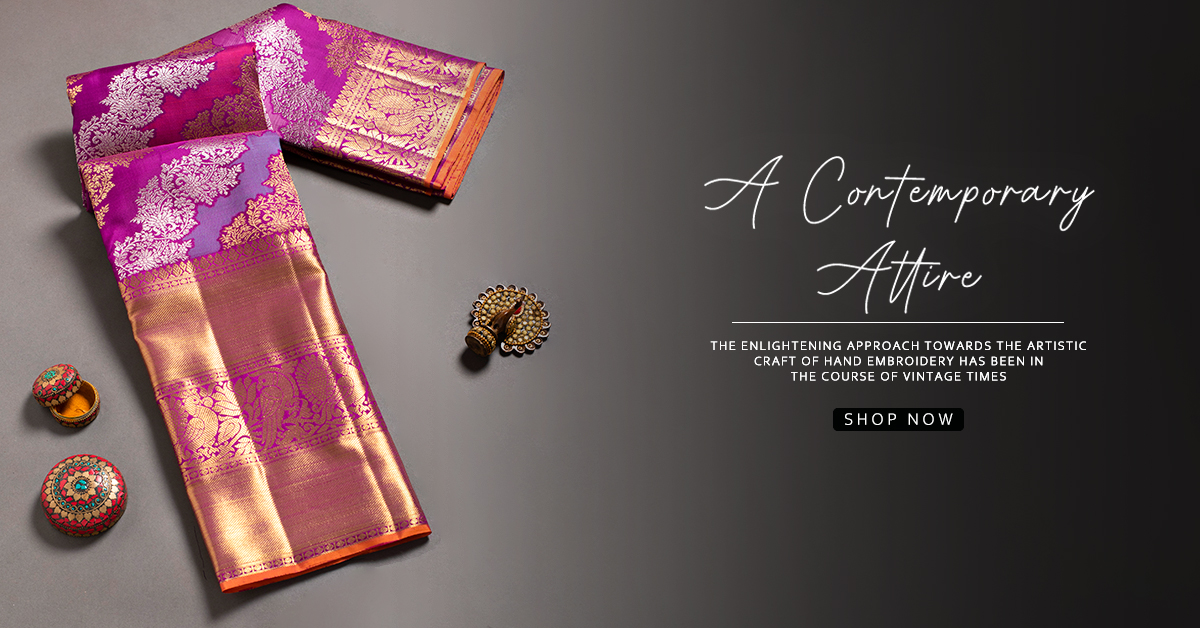
Another characteristic of Kanchipuram sarees is their lavish embroidery of Zari on the borders. Historically, Zari was made from gold-plated metal wrapped around cotton or silk thread, providing a visually rich thread.
However, Zari’s contribution to saree value is very high.

3. Korvai Weaving Technique
A technique known as Korvai is used to weave the saree border and body separately, which has resulted in:
- A contrasting border
- A highly durable joining method
- Cleans lines between colors
The korvai technique holds the saree and border together very well, allowing both elements to remain intact even if they were to become damaged at their join.

4. Influence of Motifs
A source of inspiration for Designing Motifs lies In:

- Temple Architecture
- Mythology
- Nature
- Traditional Art Forms
Some Examples of Commonly Used Motifs Are:
- Rudraksha
- Mango (Paisley)
- Peacock
- Yali (Mythical Creature)
- Temple Borders
Each of These Motifs Creates an Eternally Unique Feel to Kanchipuram Saree Designs.
Cultural Significance
The Kanchi Pattu saree is much more than just an item of clothing—it is a family heirloom to pass from one generation to the next.
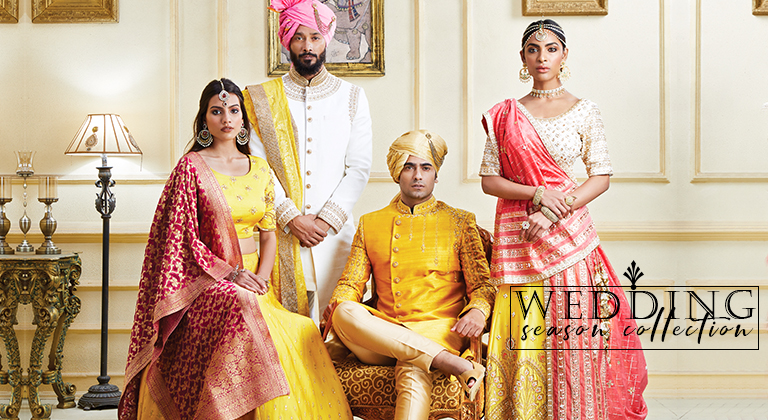
For South Indian weddings, the Tamil bride traditionally wears a Kanchipuram Silk Saree as part of her wedding attire.

Sarees are symbols of:
- Prosperity
- Auspiciousness
- Tradition
- Family Legacy
Kanchipuram Silk Sarees are no longer viewed soley as financial assets but carry plenty of emotional value as well.
Identifying an Authentic Kanchipuram Saree
Due to its popularity there are many imitations available on the market today. So, here’s a short guide to help you identify the authentic ones.

1. Silk Mark Certificate
Look for authenticity by checking for the Silk Mark certification issued by The Silk Mark Organisation of India.
2. Weight and touch
You may notice that real Kanchipuram sarees are heavier than other sarees because they are made from 100% silk with real zari.
3. Individual Weft/Borders
The design of an authentic Kanchipuram saree will have separate wefts for both body and borders, which will then be interlocked with one another.
4. Price
Real sarees made from 100% silk with real zari will not be overpriced; therefore if you come across an item that appears to be pure silk and zari at a much lower price then it is probably not real.
Evolution of Kanchipuram Saree Designs
Even though they are based on traditional designs, modern Kanchipuram sarees can be found in styles used today.

Traditional Style Characteristics:
- Heavy borders of zari or gold/silver borders
- Many large designs
- Many different deep jewel tones (maroon, mustard yellow, /emerald green, royal blue and others).
Modern style characteristics:
- Pastel coloured silk/other materials
- Minimal or light use of zari
- Lighterweight silks as opposed to heavier versions
- Fusion of multiple types of patterns, e.g. Indian & Western.
Many designers are creating new designs by:
- Using digital prints
- Creating unique colours
- Creating lighter/weaving textures
Even while making all of these changes to the Kanchipuram saree and creating new looks, there is no longer a design style within this type of cloth anymore.
Why the Dual Naming Continues
However, the two terms are used as a result of various reasons, which include:

- Market recognition – Many people are more familiar with the term ‘Kanjivaram’ than ‘Kanchipuram’.
- Brand positioning – Some brands use different spellings to position themselves uniquely.
- Export clients – A lot of international buyers refer to the saree as ‘Kanjivaram’.
- Cultural authenticity – Traditionalists typically use the word ‘Kanchipuram’ to refer to the saree.
The authenticity of a saree is based on where and how it is made rather than what name it is known as.
Investment Value
Genuine Kanchipuram Silk Sarees are said to be investments for the following reasons:
- Pure silk will hold value
- Zari has precious metal content
- Craftsmanship increases in value over time
- Antique pieces can become valued collectibles

Bridal sarees are generally handed down from generation to generation; most families will care for and preserve these for many years.
Conclusion
From a linguistic standpoint, there is no distinction between the two entities, only their meanings/meanings associated with the terms used to describe them are different. However, if you think of Kanchipuram and Kanchi as being separate entities on the basis of cultural significance attached to them, then you will not see anything else that separates the two textile processes other than the cultural importance of their respective names. Each Kanchipuram and Kanchi saree represents the same history, craftsmanship, and heritage of luxurious silk. When wearing a Kanchipuram saree, you are wearing the result of centuries of craftsmanship, dedication, and devotion manifested within the structure of the saree itself; regardless of the name you use to mention it, its unparalleled beauty will remain evident through time.
Frequently Asked Questions (FAQs)
1. Are Kanjivaram and Kanchipuram Silk the same?
Kanjivaram is actually an English word for Kanchipuram which expresses that it is a type of traditional silk saree hand woven by the weavers of Kanchipuram, Tamil Nadu.
2. How can I tell if my Kanchipuram saree is genuine silk?
You can use the following tests to verify that you have purchased a pure silk true to its origin: – You can check for the silk mark certificate. – You should consider the weight of your saree. – Finally, you should evaluate the quality of the zari portion of the saree. Kanchipuram silk sarees are generally heavy and will have a border quality that reflects labour-intensive weaving methods; the borders will be attached separately to the saree.
3. What makes Kanchipuram sarees so costly?
The price of Kanchipuram sarees is high due to various factors including:
- The purchasing of mulberry silk in its purest form;
- The use of gold or silver yarn (zari) for embellishment of the saree;
- The method of weaving requires much manual labour and therefore is very time-consuming;
- Each Kanchipuram saree takes weeks to complete. Also, each saree has an intrinsic value as they are long-lasting heirloom items.
Also Read:-