Why Silk Saree is the Undisputed Queen of Indian Fashion?
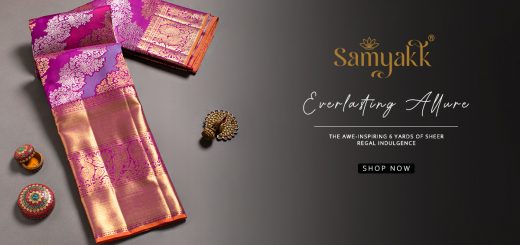
Six yards of pure luxury, a legacy of heritage, the silk saree reigns supreme.
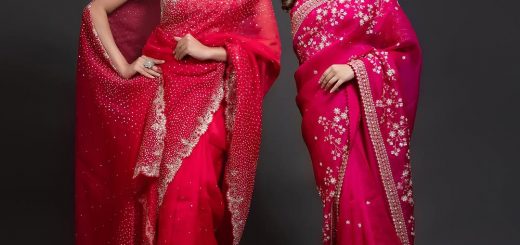
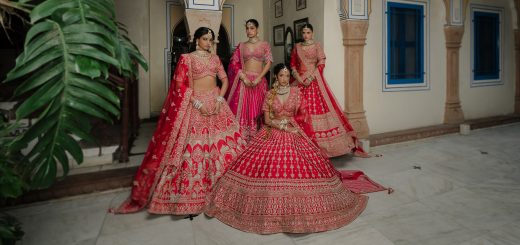
The Indian saree is among few items of clothing that are so full of culture, memory, and emotion. Among all the beautiful types of weave that exist in India, there is one that stands out from the rest: the silk saree. The silk saree is the strongest, most traditional, and always fashionable type of saree. If you were to ask the average Indian woman what she wears the most often, regardless of what else she may wear, you would probably find that she wore a silk saree more than anything else. The silk saree is typically the garment worn to any type of wedding, festival, temple visit, or any other occasion that is considered significant. Although we are currently living in a time of minimalist clothing and quickly changing fashions, the silk saree is the definitive symbol of elegance. What is it about the six yards of silk that have made it so often worn, and over time, become the model of so many fashion designers. Let’s take a walk through its history: where it came from, the magic it holds, and how it has re-invented itself in recent decades.

The Silk Saree: A Living Remnant
It was not only in relation to fashion that the legacy of the silk saree was created; even prior to the advent of “designer clothing,” silk was highly regarded in temples, palaces and festivals throughout India.
Silk Being Fit For Royalty
Historically, silk was worn exclusively by queens, aristocratic women and temple dancers, who represented sophistication. Historical documents frequently refer to silk as a material that is worthy of the gods. Many families, particularly in South India, continue to pass down their silk sarees from mothers to daughters, often even after more than 40 or 50 years, but still shining with a beauty closer to infinity.

Diverse Weaves, One Icon
The different qualities of silk in different regions of India are quite interesting:
✔️ Kanchipuram has bold border designs and has a sturdier weave.
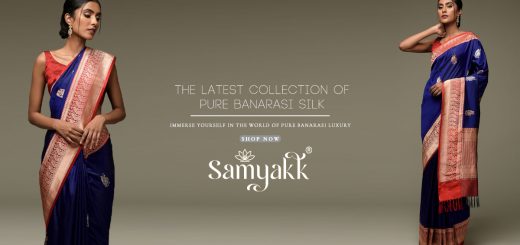
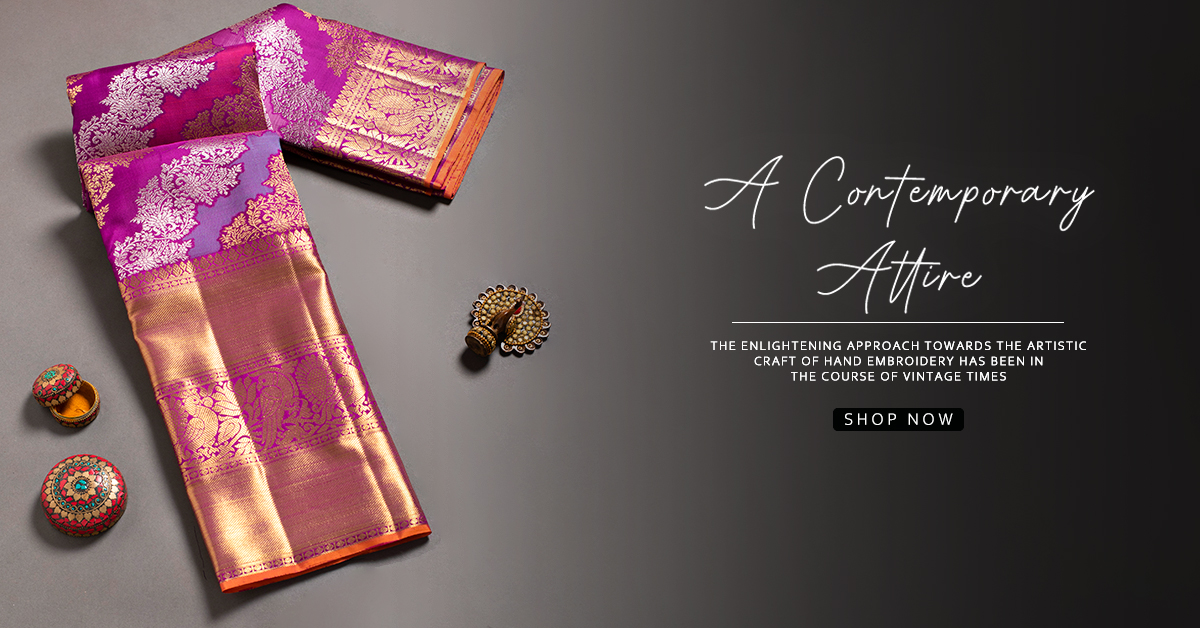
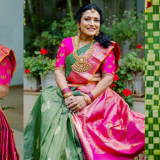
✔️ Banarasi has Mughal inspired designs and jangla patterns as well as rich use of zari.
✔️ Mysore is known for being as smooth as flowing water.
✔️ Muga is an exclusive type of silk from Assam known for its beautiful golden colour.
✔️ Patola is a special silk from Gujarat where both warp and weft have been dyed before weaving which gives it a very precise design (double ikat).
Every region of India takes its tradition, custom and craftsmanship and uses silk as a canvas to display them.
How does Pure Silk Sarees differ from Premium Silk Sarees
It’s easy to say that a silk saree looks beautiful, but it is not just the colour or shine that makes them beautiful. Silk has an aura of a soft, delicate shine, a gentle glow/resonance with light but without being overpowering or washed out. It’s this soft glow that makes it an ideal choice for brides in every Indian state because of how well it photographs, providing a unique, once-in-a-lifetime experience. Pure Silk is a lot stronger than many people think. With proper care, a quality saree
can last for years. Silk sarees have been passed down from one generation to another as heirlooms by numerous families.
Silk is additionally very breathable, making it an ideal fabric for either an extensive ceremony or a social gathering in a warm area, even though many people associate it with high-end luxury.
The majority of pure silk sarees are hand-woven by artisans. When you buy a pure silk saree, you’re buying from an artisan who uses this craft as a carrier for a cultural heritage that has been passed from generation to generation, sometimes for over 200 years. and sounds of the loom, the methodical rhythm of the weaving process, and the act of balancing colours.
Zari-Fancy Thread
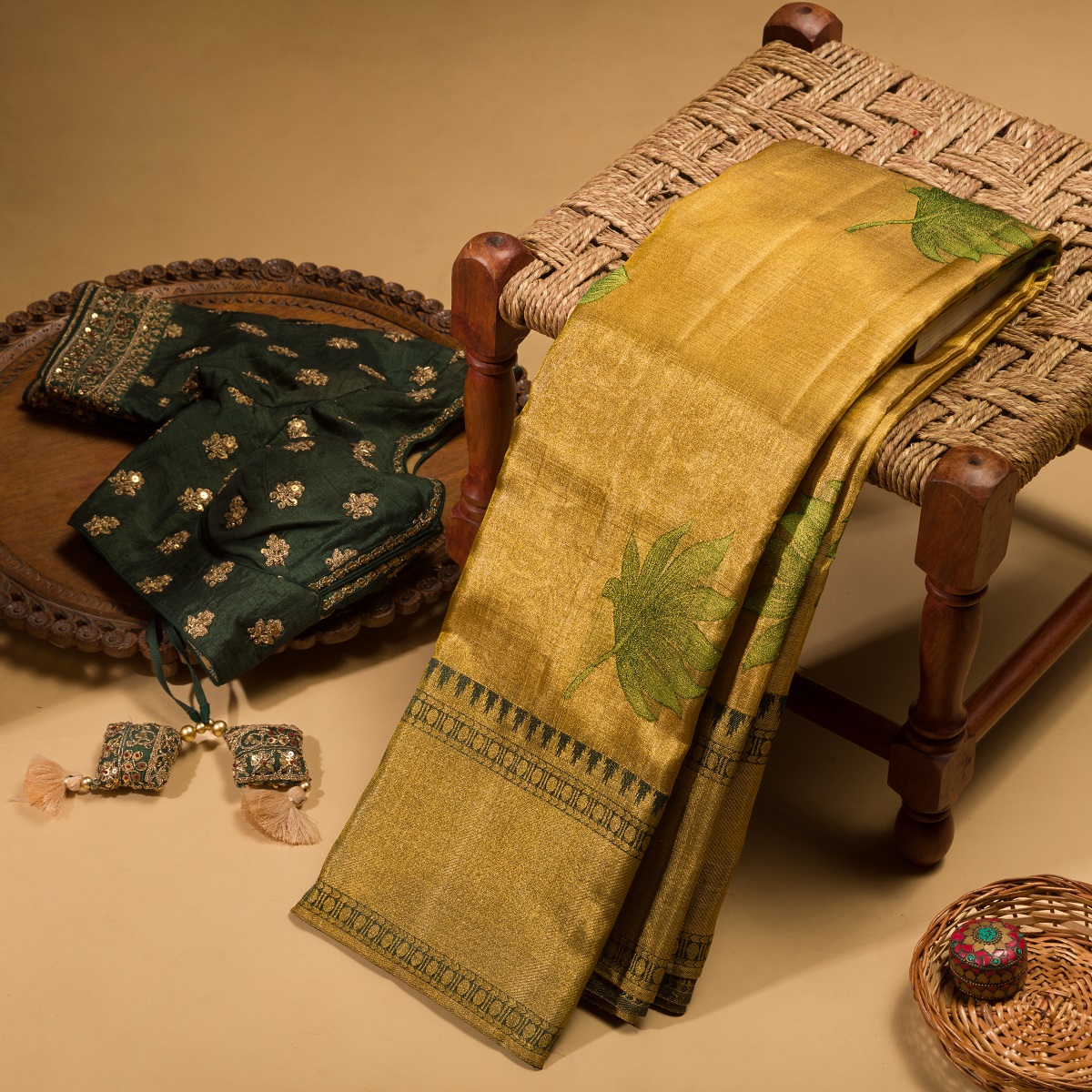
Silk sarees are often decorated with zari, which has traditionally been created from pure metals (gold or silver), and is created by twisting a fine thread of gold or silver and then wrapping this metal thread around a silk thread in order to create borders, motifs, and pallus. Although modern day zari material can often be more affordable, the beauty and elegance of zari remains unchanged. The silk sarees continue to stay at the top of their category due to their ability to adapt to todays current styles while remaining true to what they are all about.
Trends:
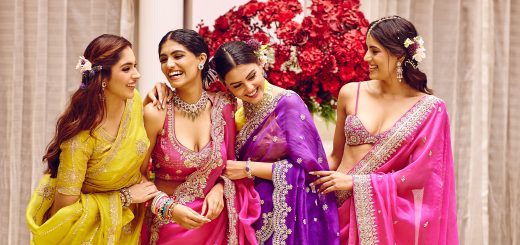
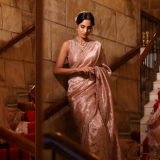
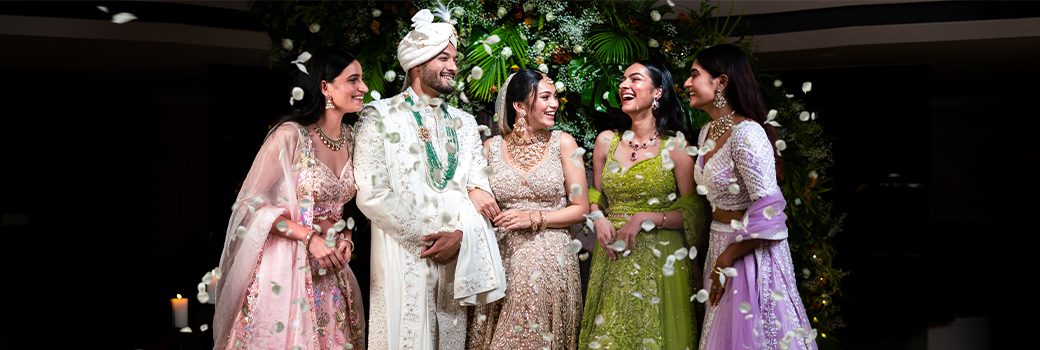
The new trends in silk sarees provide new looks and styles to keep young women & men hugely interested in wearing these items. The classic reds/golds/greens will always have a place, but young women today are opting for some other colors & styles than before while wearing their silk sarees.

Examples of New Styles:
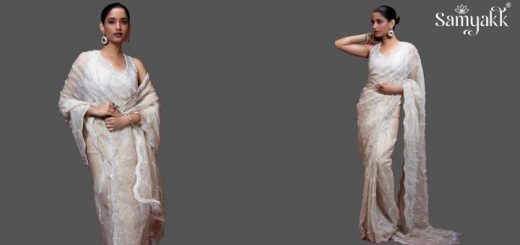
New colors offered in newer Silk Saree collections are pastel colors (eg: lilac, mint, powder blue), the use of lightweight soft silk for more comfortable draping, contrast borders that are very popular today, soft nature-inspired motifs on contemporary printed Silk Saree, and silk sarees featuring digital prints. Today young women are wearing these newer designs at all types of functions including weddings, receptions, works events, and even informal outings.
Silk Saree-style Blouses:
The blouse has developed to be a separate category of fashion. Some of the most popular styles of blouses are:
✔️ High-neck blouses decorated with embroidery.
✔️ Elbow-length sleeves with adds of zari.
✔️ Elegant boat neck.
✔️ Classy puff-sleeve retro looks.
✔️ Backless and tie back designs.

A well-made and designed blouse will change the look of a silk saree from traditional to contemporary to glamorous based on the wearers attitude. The Resilience of the Silk Saree as a Fashion Item:
For centuries, the silk saree has remained a primary source of inspiration for the world of fashion. Below are some important aspects to consider:
✅ A silk saree can be worn during every variety of events, whether they be festive or ritualistic and anything else that occurs in between, including both a trip to the temple and a trip to a board meeting or a destination wedding.
✅ Silk sarees are appropriate for all ages, with a teenager wearing the same saree as a grandmother with both wearing it well.
✅ Many sarees are rich with stories. For example, a silk saree given to an individual from his/her mother, the memories from the date of your wedding and even the silk sarees passed down from one generation to the next.
✅ A simple silk saree has a richness in its quality that the most modern of fabrics do not have, which is why it is able to seamlessly transition from a traditional to a fashion-forward style.
✅ Millions of celebrities, influencers, designers and each of them individually showcasing their collections of silk sarees on an international stage, represent the rich heritage of India, silk sarees being made globally aware by their impact on the global fashion world.
Conclusion: A Legacy That Lives On
More than being just six yards of fabric, silk sarees are the rich heritage and craftsmanship of the artist, the techniques of the artisan, the celebration of a festival, and the history of an individual. During the previous centurion years, the silk saree has been a staple of fashion, with many modern designs continuing to attract new generations, just like their mothers and grandmothers.
Therefore, the reason why, no matter how much time passes, the silk saree remains relevant, as is its ability to connect the generations.