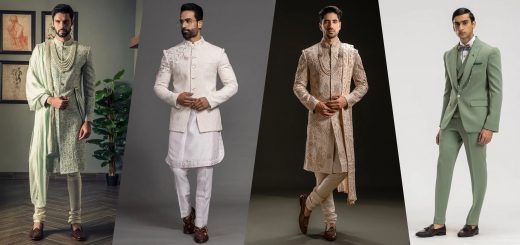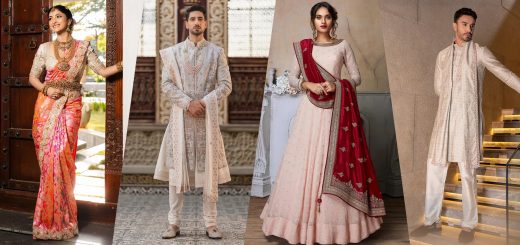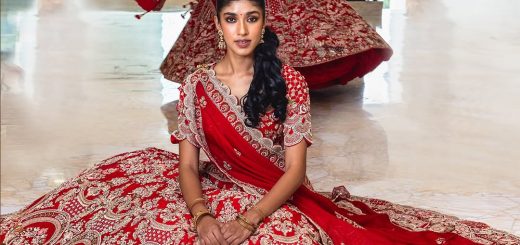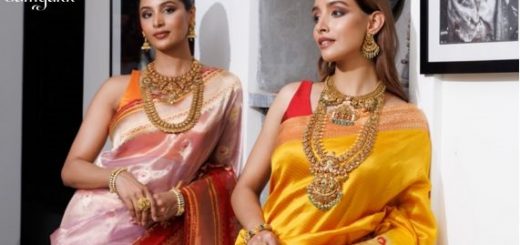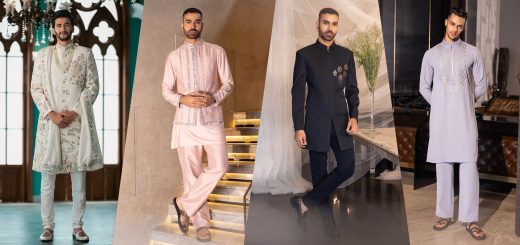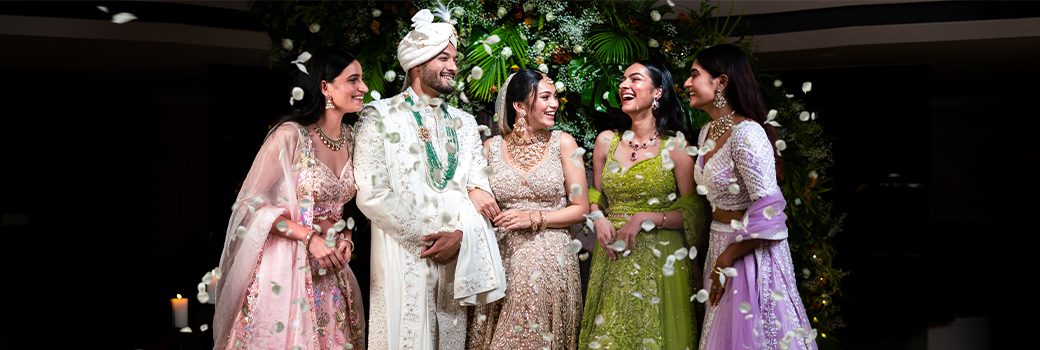
The Ultimate Wedding Sherwani Style Guide for the Modern Groom
A wedding is a moment you’ll cherish forever, and what you wear should reflect that. For a traditional Indian wedding, nothing says royalty and sophistication quite like a sherwani. But with so many options, how do you choose the perfect one?
This guide will walk you through everything you need to know, from selecting the right fabric to styling your final look, ensuring you stand out on your big day.
The Foundation: Choosing the Perfect Sherwani
A great sherwani begins with the right material. The fabric you choose not only dictates the look and feel of the outfit but also how comfortable you’ll be throughout the long day.
1. The Royal Touch: Brocade and Velvet
When the goal is to make a powerful, regal statement, these fabrics are unmatched. They are the ideal choice for a groom who wants to embrace tradition and exude a sense of grandeur. The distinct textures and luxurious feel of these materials ensure you look and feel like royalty on your wedding day.
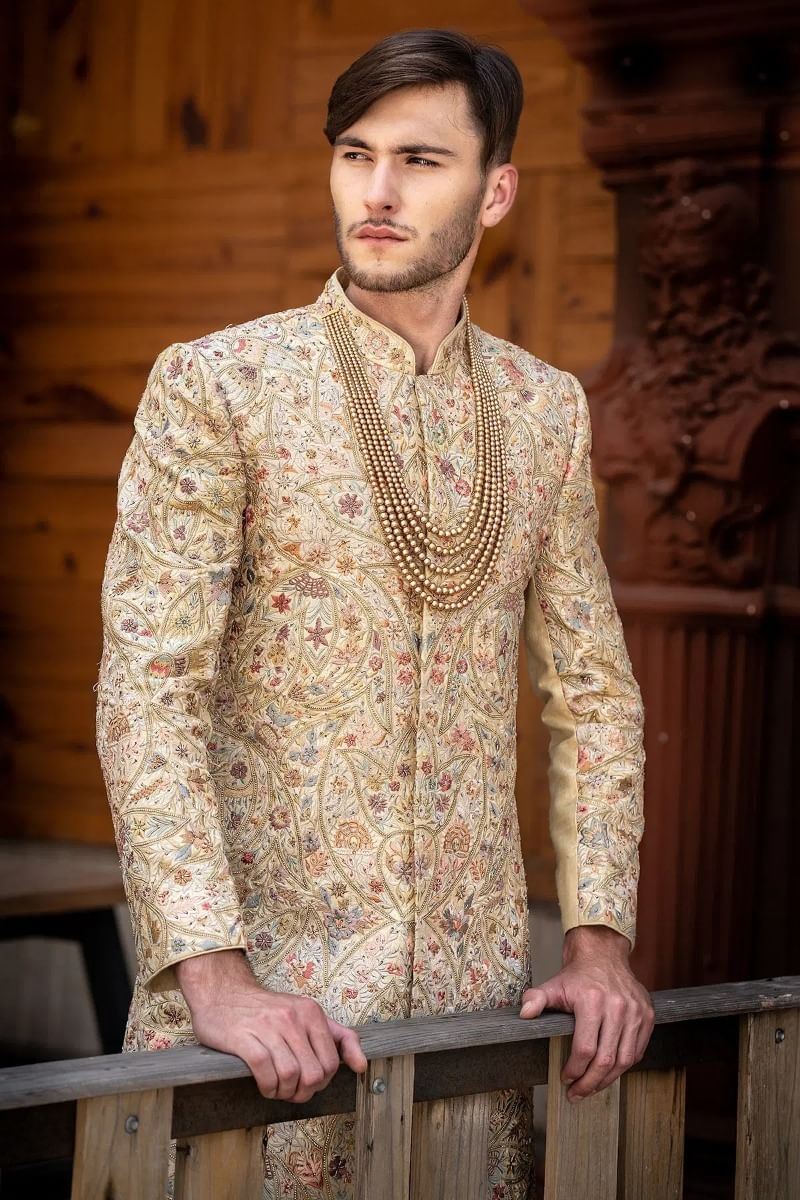
Brocade
Known for its rich, intricate patterns woven directly into the fabric, brocade gives a luxurious and regal feel. It’s an excellent choice for grooms who want a grand, traditional look.
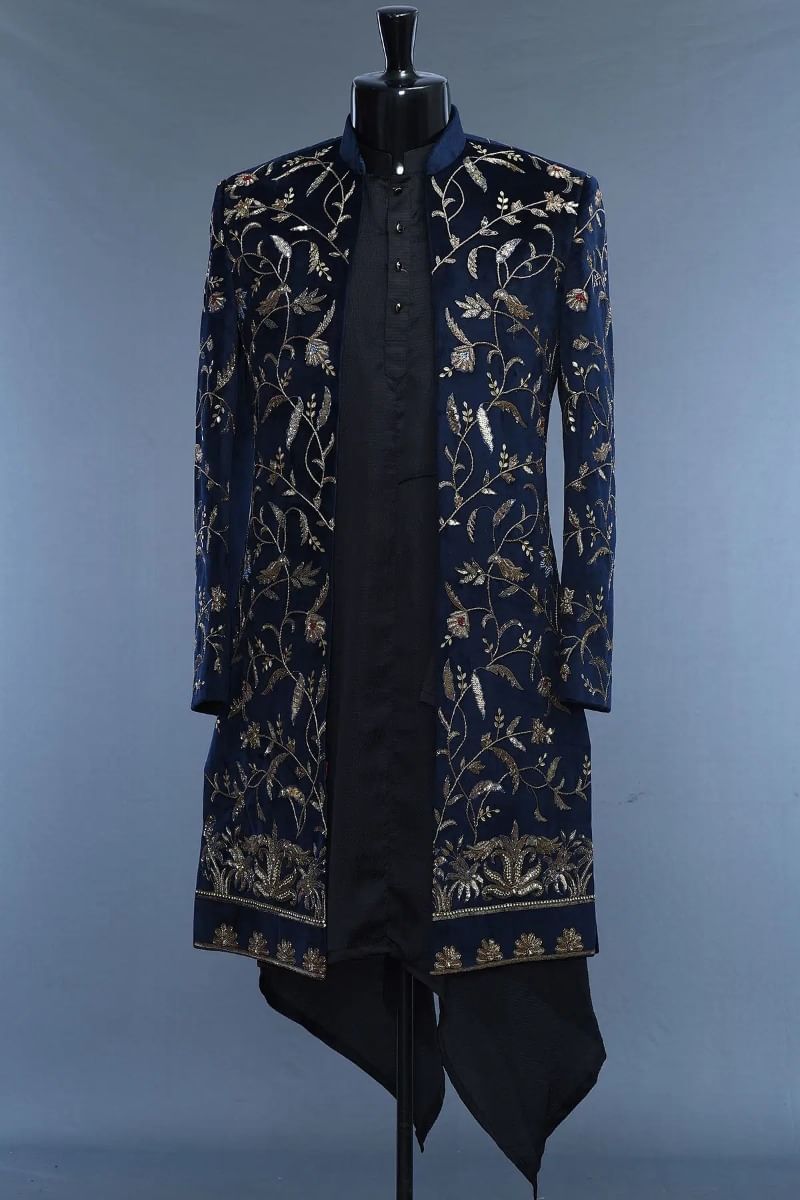
Velvet
A plush and opulent fabric, velvet adds a sophisticated, contemporary touch. It’s a fantastic option for a winter wedding due to its warmth and rich texture.
2. Classic and Comfortable: Silk and Jacquard
For grooms who prioritize a timeless look and all-day comfort, these fabrics offer the perfect balance of elegance and ease. Their lightweight nature and subtle sheen allow for graceful movement while maintaining a refined and stylish appearance. They are versatile fabrics that work well for both traditional ceremonies and modern receptions.
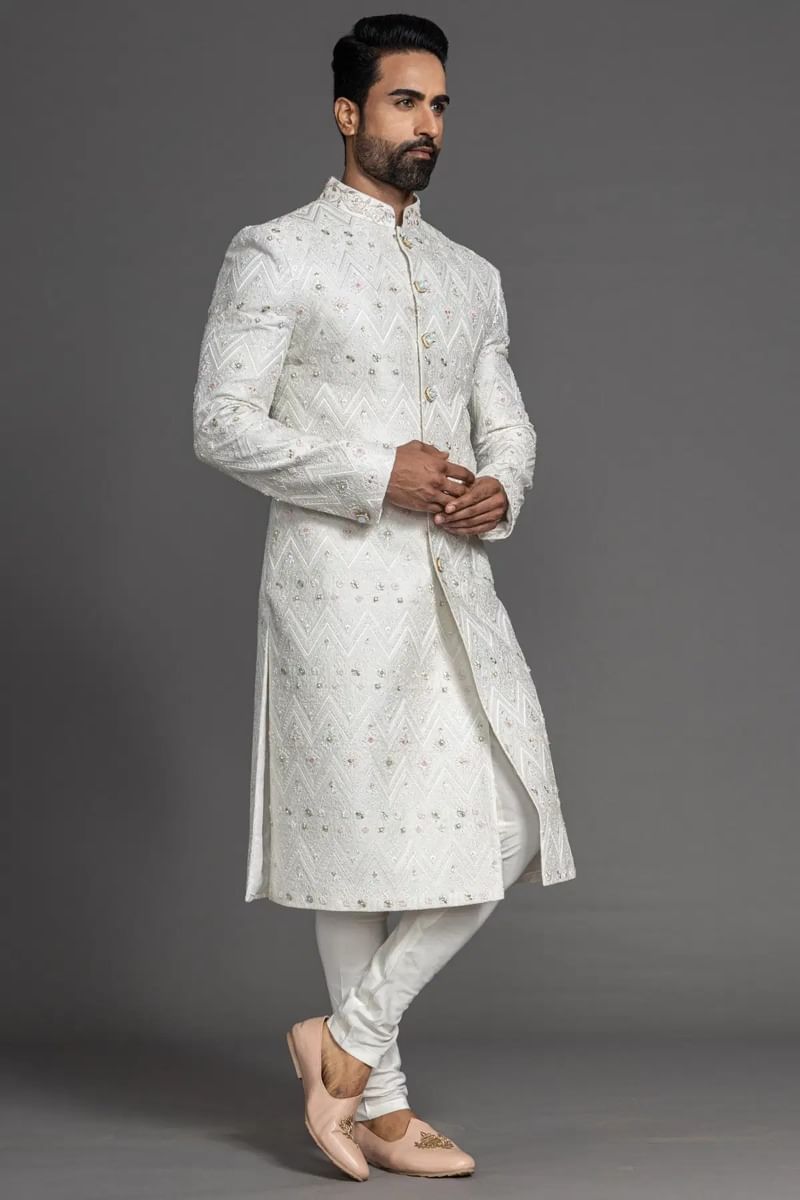
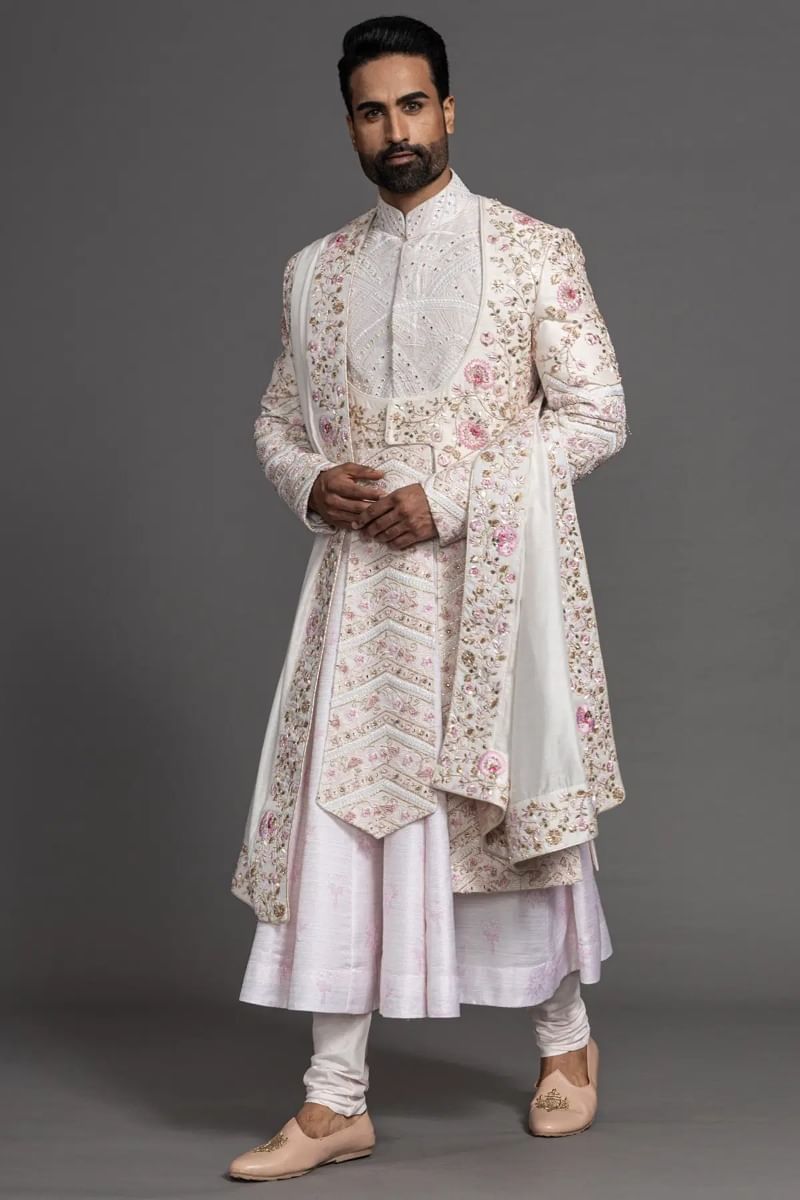
Silk
A timeless classic, silk is a popular choice for its beautiful sheen and elegant drape. It’s breathable and comfortable, making it perfect for a summer or spring wedding.
Jacquard
Similar to brocade, jacquard features raised, woven patterns. It’s often lighter than brocade, offering a refined look without the weight. It’s a great choice for grooms seeking a detailed, unique design.
The Perfect Fit: It’s All About the Silhouette
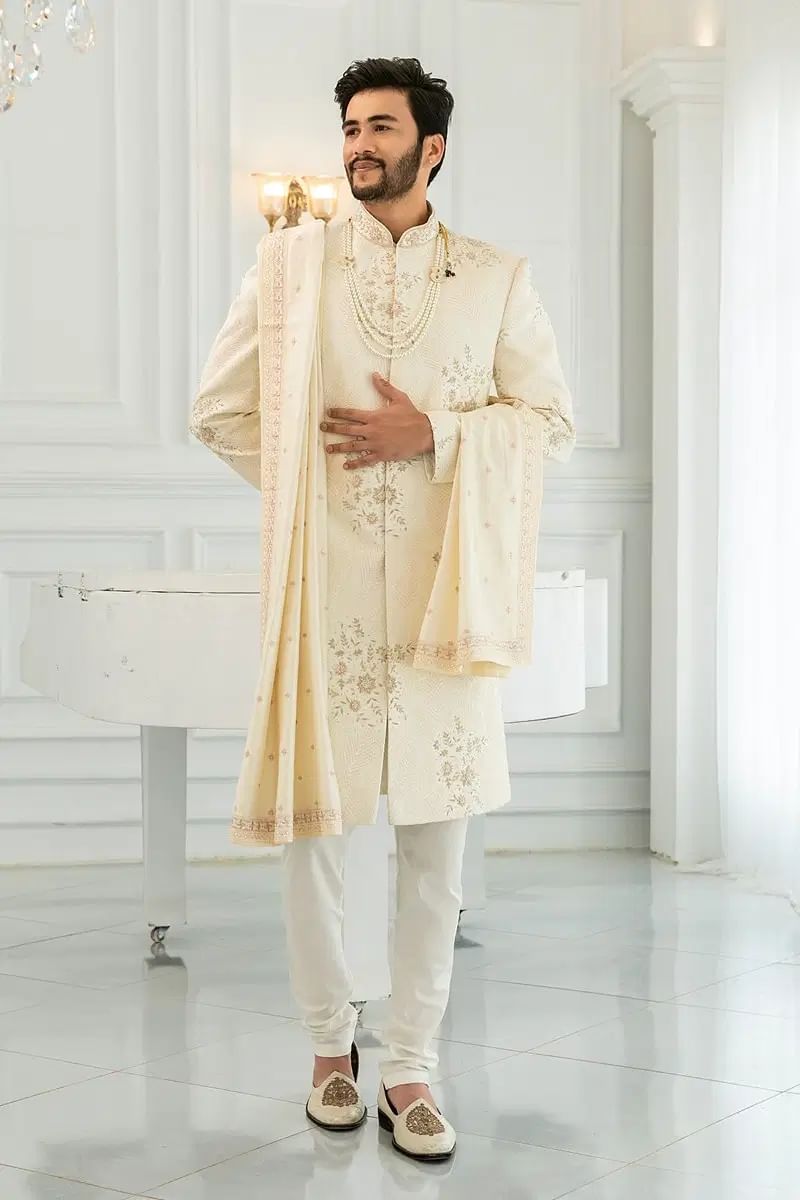
A sherwani can feature exquisite embroidery and design, but if the fit is wrong, it won’t look its best. A well-fitted sherwani should hug your body without being too tight. The shoulder seams should sit perfectly on your shoulders, and the sleeves should end just at your wrists.
For your wedding day, consider a bespoke or custom-fit sherwani to ensure it’s tailored to your exact measurements. This will give you a sharp, comfortable, and confident look.
The Art of Styling: Accessorize with Confidence
Accessories are what truly elevate a sherwani from a simple outfit to a statement of style.
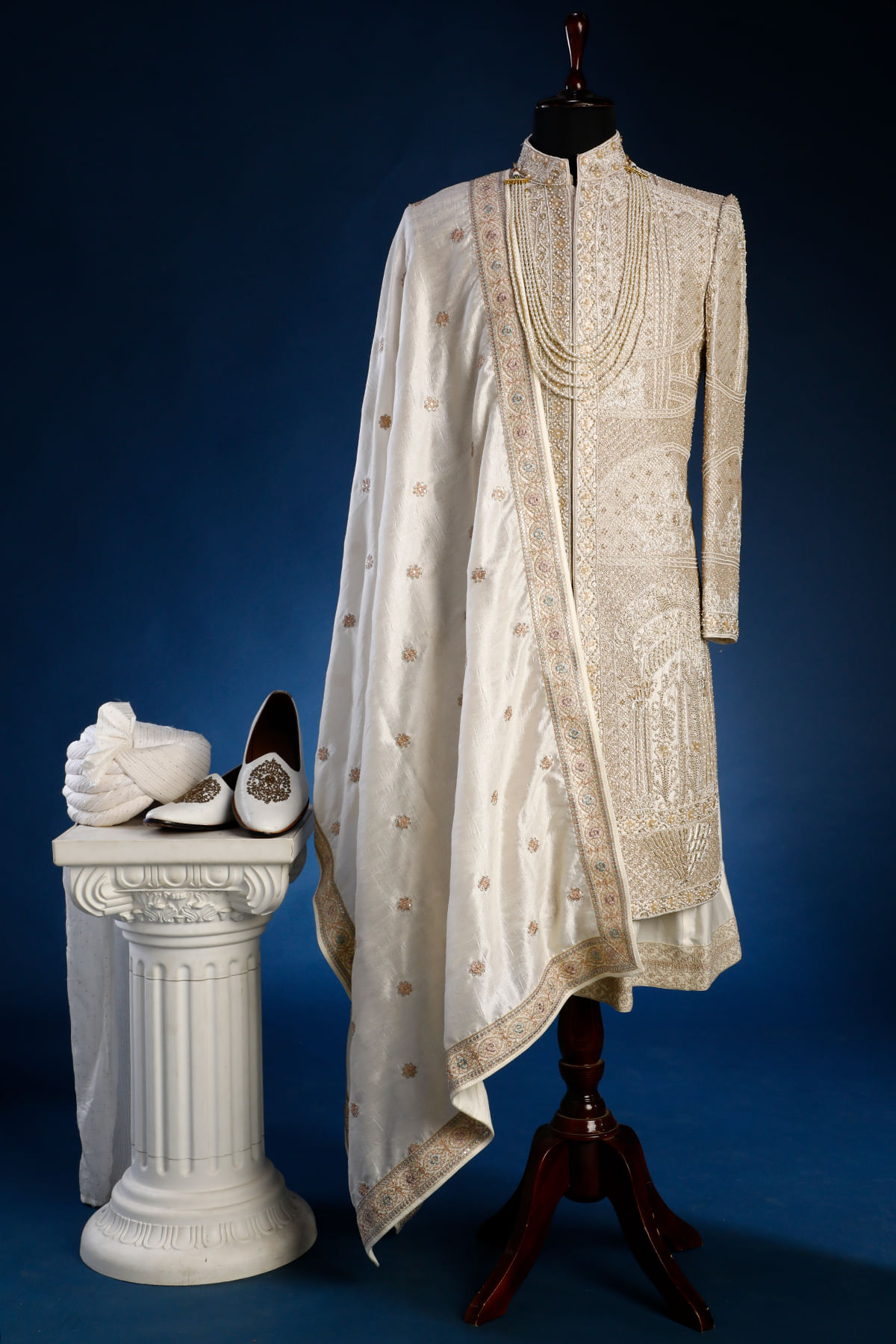
The Turban (Safa)
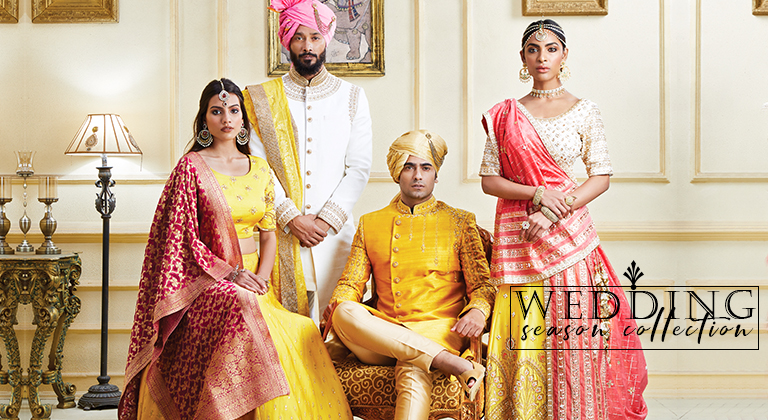
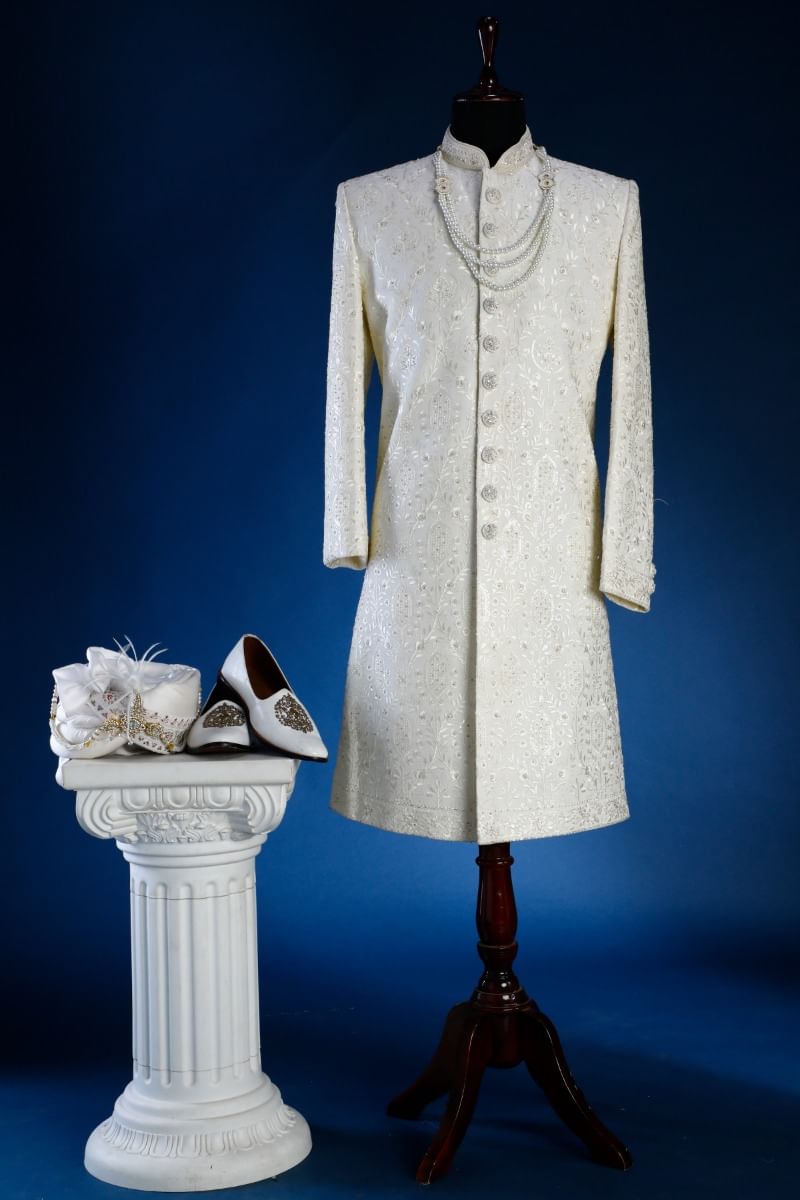
The turban is a traditional symbol of honor and a key part of the groom’s attire. Choose a color that complements your sherwani. If your sherwani has minimal embroidery, a heavily embellished safa can add a touch of grandeur.
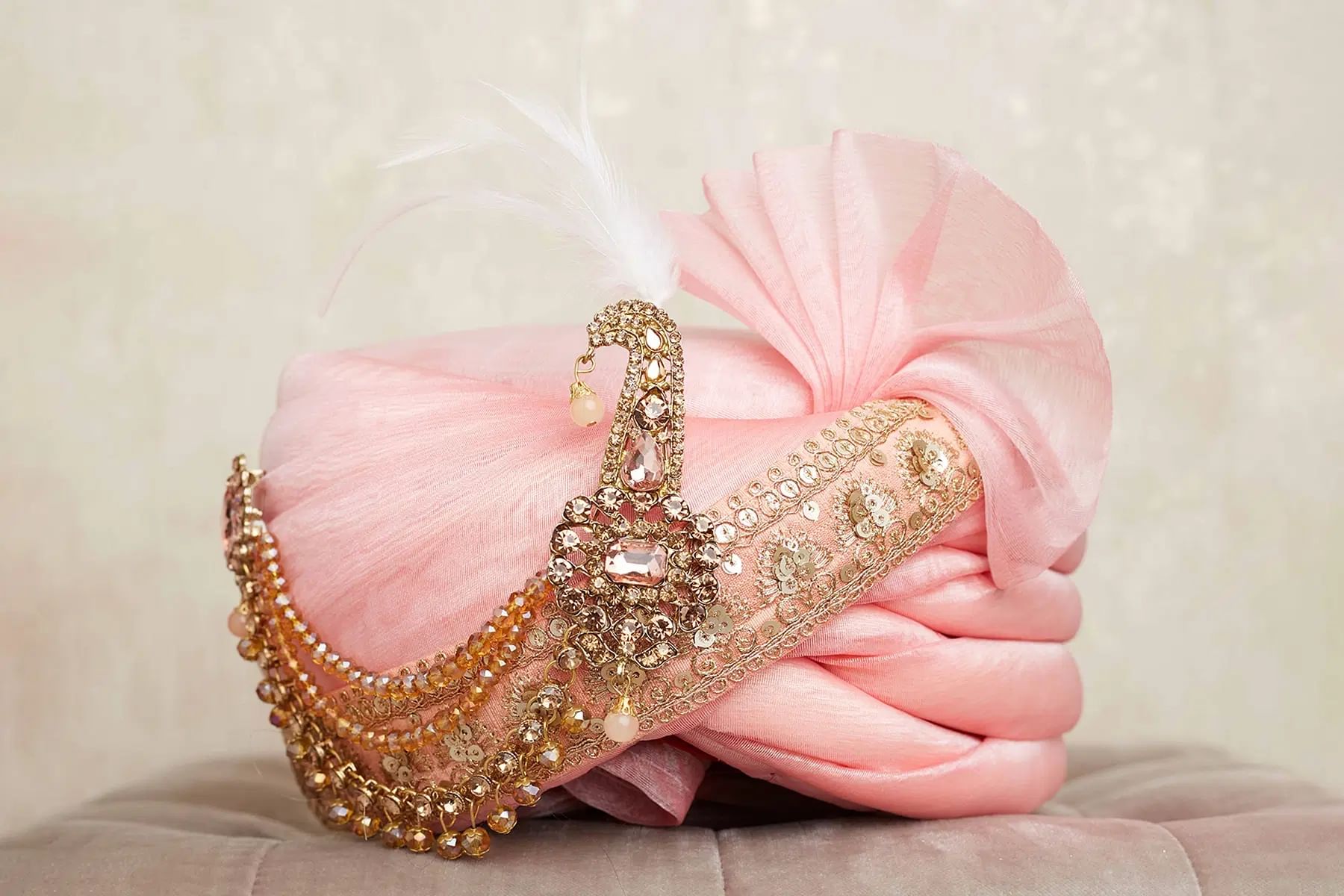
The Dupatta
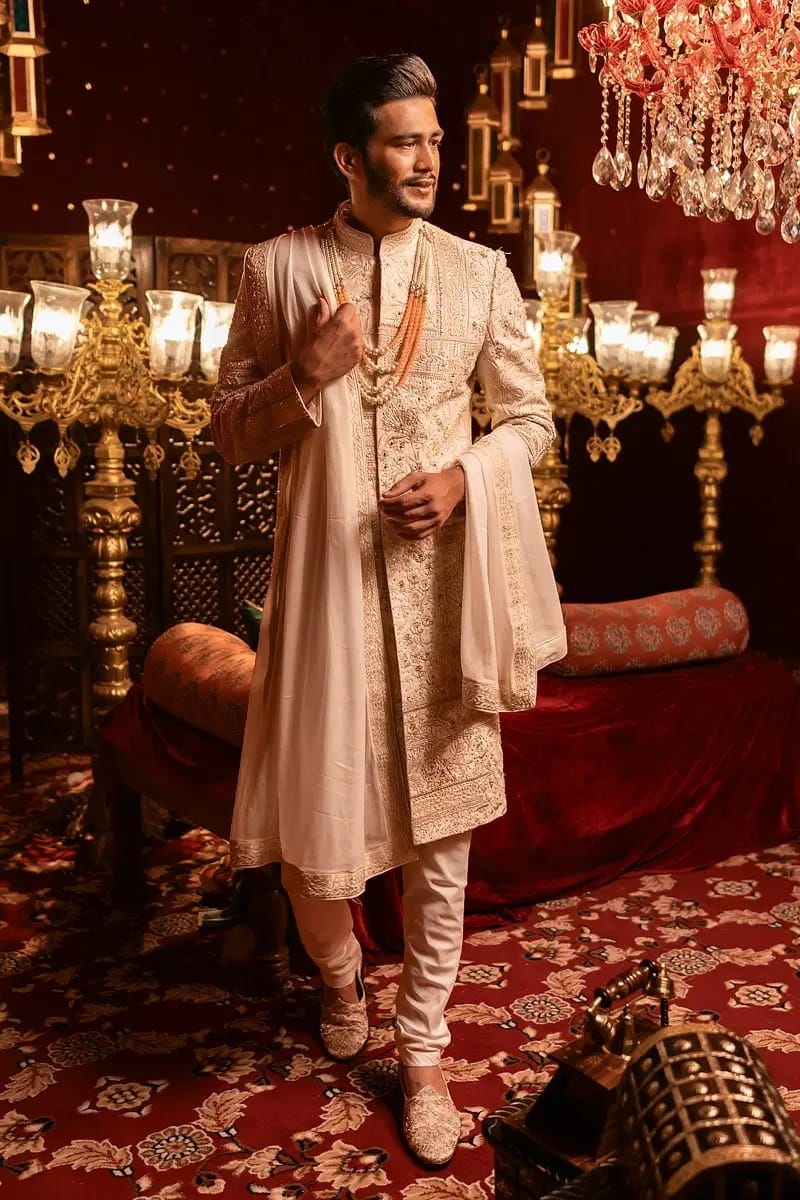
A contrasting or matching dupatta draped over one shoulder can add elegance and a pop of color to your outfit. It’s an essential detail that completes the traditional look.
The Footwear (Jutti)
Don’t forget your shoes! Traditional Juttis are the best choice. Look for pairs with subtle embroidery or beadwork that match your sherwani’s details.
Jewelry
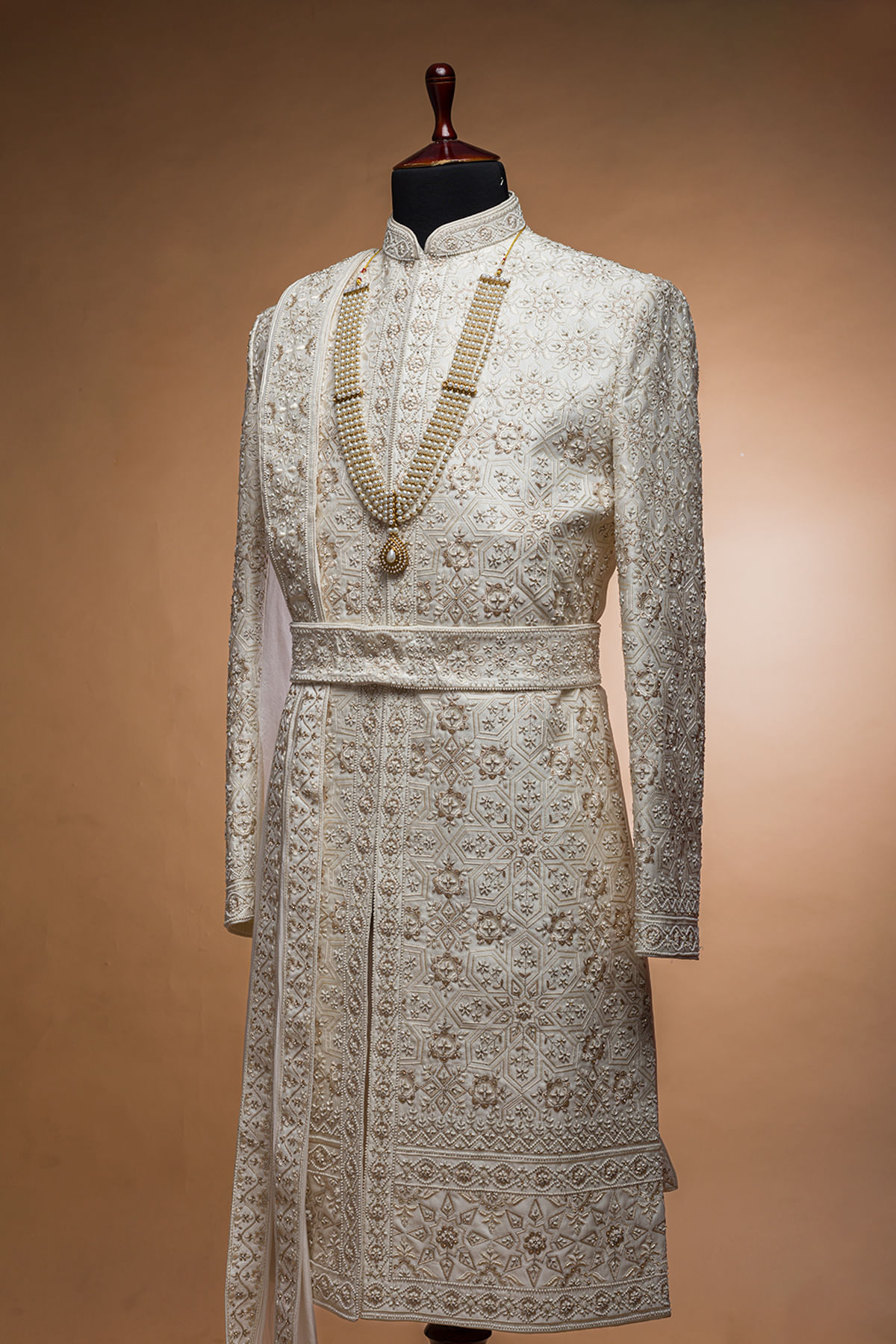
A classic Kalgi (turban pin) is a must-have. You can also add a simple gold chain or a layered beaded necklace to add a touch of regal charm.
Final Thoughts: Look and Feel Your Best
Your wedding sherwani is more than just an outfit; it’s a reflection of your personality and a tribute to tradition. By choosing the right fabric, ensuring a perfect fit, and paying attention to accessories, you’ll not only look your best but feel confident and ready to begin your new journey.
For more inspiration and a wide range of designer sherwanis, explore our Wedding Sherwani Collection to find the one that’s perfect for you.
Frequently Asked Questions (FAQs)
1. How can I ensure my sherwani matches the bride’s outfit?
It’s not about an exact match. Instead, focus on coordinating colors and embroidery styles. You can choose a sherwani with a complementary color palette or one that has a similar motif or thread work to her outfit. A matching dupatta or a turban can also create a cohesive, coordinated look.
2. What is the difference between a sherwani and a Jodhpuri suit?
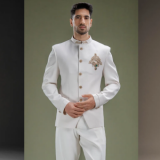
A sherwani is a long coat-like garment that typically falls below the knee, often worn with churidar pants. A Jodhpuri suit (or bandhgala) is a shorter jacket that ends just below the waist, paired with trousers. The Jodhpuri suit offers a more tailored, Indo-Western silhouette, while a sherwani is more traditional.
3. What accessories are essential for a groom’s sherwani?
The most essential accessories include a turban (safa), a pair of traditional Indian shoes (Juttis), and a neckpiece or a brooch. These details add a finishing touch to your look, reflecting the formality and celebration of the occasion.
Also Read:-
Don’t Get Fooled: Smart Ways to Pick a Quality Saree in 2025