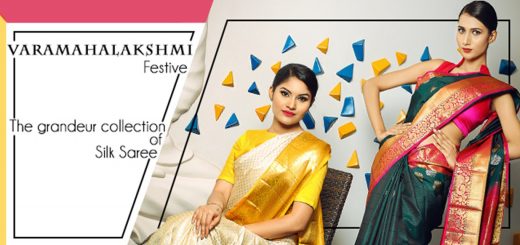
Royal Vineyards: Intricate Banarasi Silk Sarees Crafted for Grand Celebrations
I still remember pulling my first real hand-loomed saree out of its package—not just looking at photos online, but actually unboxing it in my living room. The first thing that catches you off guard is definitely the weight. You smell that rich, earthy scent of real silk threads right away. Then, as you unfold the pleats across your lap, there’s this faint metallic rustle from actual zari threads. You realize pretty quickly that this wasn’t stamped out by some factory power loom in ten minutes flat. You’re holding months of quiet, patient work done on a pit loom in Varanasi by weavers who learned the craft directly from their parents and grandparents.
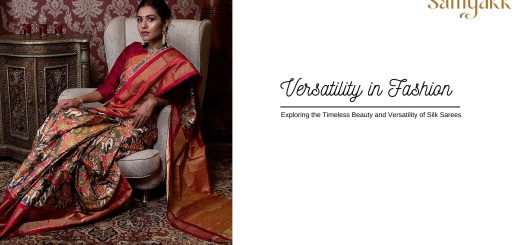
Out of all the iconic motifs in Indian heritage fashion, the “Royal Vineyards” pattern has always been something special. It’s an old-school design inspired by Mughal court gardens, palace archways, and royal greenery. Interlocking creeping vines (Bel), leaf clusters, and floral sprays twist across the fabric in a way that feels organic instead of stiff or printed. Whether you’re getting ready for your own big day or just looking for a heavy statement drape for an upcoming gala, a vineyard weave brings an effortless aura of royalty without ever feeling loud or over-the-top.


The Unmatched Texture of Pure Katan Silk
If you want top-tier quality that actually lasts for generations, you really have to look for a pure katan silk banarasi saree. If you’ve never handled real Katan silk before, the base fabric is made by manually twisting pairs of pure silk threads together before putting them onto the handloom.
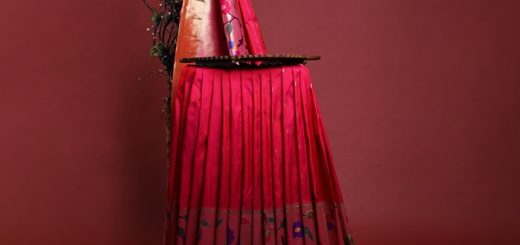
What you get from all that extra manual labor is a weave that is remarkably strong, dense, and naturally shiny. The way a Royal Vineyard pattern sits on pure Katan is hard to put into words until you see it up close in natural light. The sheen gives those winding vine details incredible visual depth. Plus, when you actually drape it, pure Katan has a firm, dignified fall. It doesn’t cling awkwardly or sag four hours into a party. You can wear it straight through a long wedding celebration—standing for pictures, greeting hundreds of guests, sitting down for dinner—and it still looks just as crisp and regal as when you stepped out of your room.


Woven Gold: Gold Zari Under Evening Lights
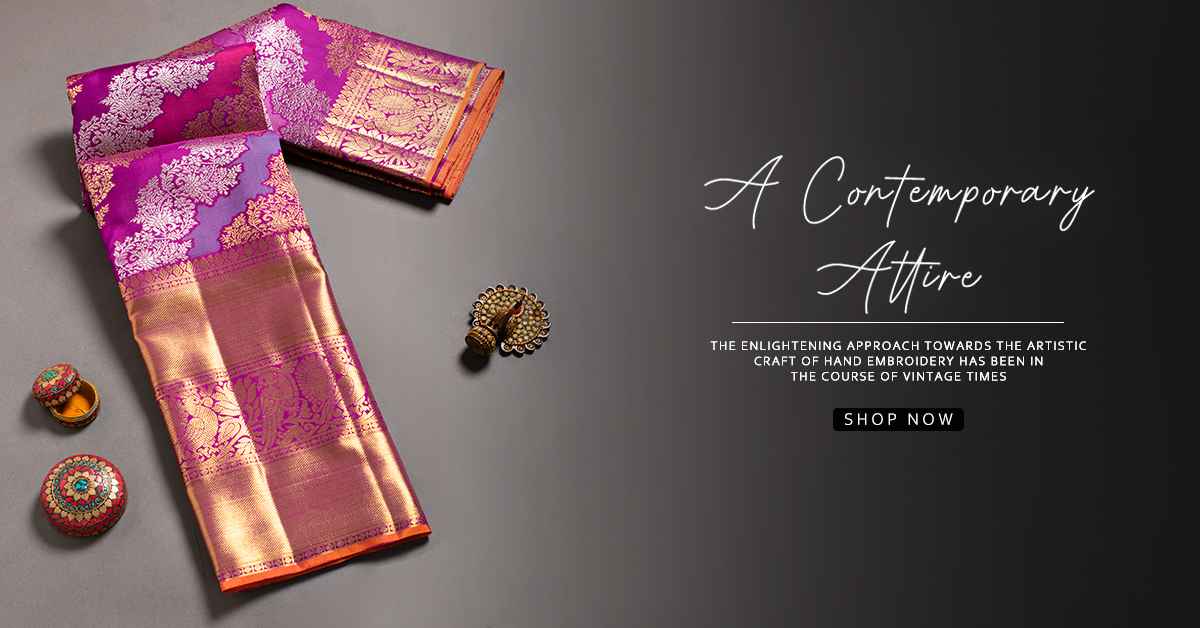
You really can’t talk about classic Varanasi handloom work without bringing up metallic threads. A genuine gold zari banarasi saree covered in detailed vineyard patterns basically glows when you step under warm hall chandeliers or catch sunset light outdoors.
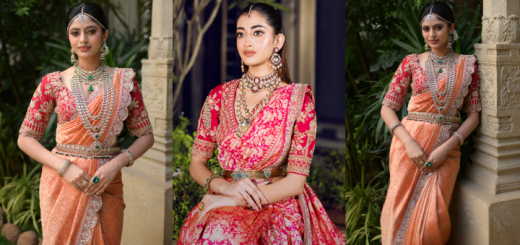
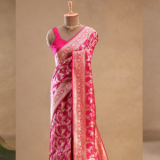
Master weavers spend weeks—sometimes over a month—sitting at traditional looms guiding silk warp and metallic weft threads completely by hand. They map out continuous leafy vine patterns (Bail) that wrap around grand central motifs like peacocks, rosettes, or classic paisleys. When you take deep jewel tones—think rich emerald green, dark ruby red, deep wine, or royal blue—and weave bright gold zari vines across the entire body, you get that exact, timeless old-world look that people search high and low for.


Styling Ideas for Receptions and Bridal Trousseaus
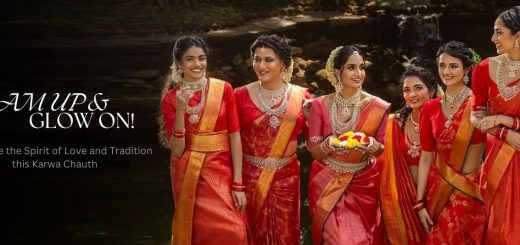
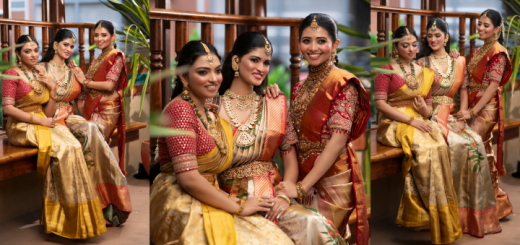
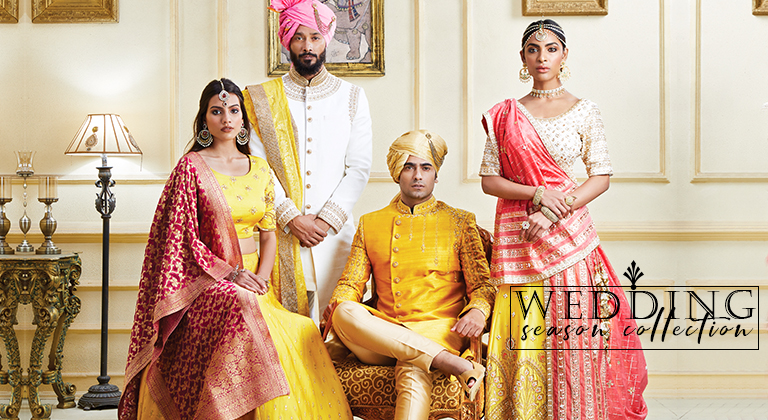
Balancing age-old tradition with your own personal style can be a bit of a tightrope walk for modern brides. While classic crimson and bright red silks usually take center stage during main wedding rituals, choosing a banarasi saree for wedding reception parties gives you so much room for bolder color choices and modern styling ideas.
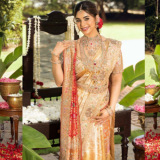
For instance, if your saree body is already packed with dense gold zari vines, try pairing it with a clean, unadorned raw silk blouse. Letting the drape take center stage keeps the whole outfit looking effortless and balanced. If you prefer full traditional drama, go for elbow-length sleeves with subtle border embroidery. Heavy gold zari also pairs effortlessly with Kundan or uncut diamond (Polki) neckpieces. If your drape features two-tone zari (Ganga-Jamuna work using silver and gold metals), textured antique matte-gold jewelry offers a really striking contrast. As for draping style, a traditional seedha pallu shows off detailed chest borders, but a neatly pleated front with a falling back pallu lets those long running border vines cascade over your arm naturally.
When families go shopping for traditional banarasi sarees for brides, they aren’t just picking out an outfit for a single evening. They are investing in a true family heirloom—something that sits safely wrapped in cotton inside a trunk for years until a daughter, sister, or niece pulls it out for her own special day down the road.


Modern Trends: What’s New in Banarasi Design Today?
Even though handloom weaving goes back centuries, weaver clusters are constantly updating their patterns so they actually fit what people want to wear today. The latest banarasi saree design trends manage to strike a sweet spot between heritage craftsmanship and modern comfort:
- Soft Pastels: Dusty pink, pale mint green, lavender, and champagne shades woven with subtle gold vines are super popular right now for day weddings and sangeet functions.
- Lighter Fabrics: For anyone who loves rich zari work but hates feeling weighed down by heavy fabric, georgette and organza Banarasis offer detailed vineyard motifs on light, breezy materials that float when you walk.
- Cutwork & Minimal Layouts: Modern brides are loving cleaner layouts where gold zari vines are selectively placed across the body, letting high-contrast statement borders do the heavy lifting.

Shopping Authentic: Finding Real Handlooms Online
Years ago, tracking down a true hand-woven silk piece meant making a personal trip directly to specialized weaving hubs in Uttar Pradesh. Today, browsing through curated collections of banarasi silk sarees online makes finding your dream drape remarkably easy—as long as you know what details to double-check.
When shopping online, always read the fabric composition closely, look at high-resolution closeups of the zari’s reverse side, and make sure the seller provides genuine handloom mark certifications so you know your piece is authentic pure silk.


Conclusion
At the end of the day, a royal vineyard Banarasi isn’t just an outfit you wear once. You’re buying genuine hand craft, family tradition, and elegance that doesn’t get old. Whether you choose bright gold zari or dense pure Katan silk, these drapes bring real presence to big milestones.
If you’re hunting for a really good selection of royal Banarasi sarees for an upcoming wedding or reception, take a look through Samyakk. Their team stocks legitimate handloom pieces that are made to last and eventually get passed down.
Frequently Asked Questions (FAQs)
1: How can I tell if a Katan silk Banarasi saree is legitimate online?
Check for Silk Mark labels and zoom in on pictures of the weave’s backside—real handloom fabric has tiny, uneven yarn bumps rather than a flat, machine-printed reverse.
2. What’s the best way to store a gold zari Banarasi saree?
Fold the drape with the zari side tucked inside, wrap it in a clean cotton cloth, lay it flat in a dry wardrobe, and stick strictly to dry cleaning.
3: Can you comfortably wear pure Katan silk through a long reception?
Good quality Katan silk actually breathes quite well and softens up as you move around in it, so you won’t feel stiff or overheated even after hours of greeting people.
Also Read:-
Woven Legacies: Pure Kanchipuram Silks to Treasure for Generations