Anarkali vs Sharara Suit: Which is Best for Festivals?
Get ready to swoon over the two icons of the Mughal era, the Anarkali suits and the Sharara suits. Both salwar kameez designs exhibit opulent and royal attributes, including their elegance, and flowy and dramatic silhouette. Both enrich the world of women with intricate artistry, regal structure, fitted bodice form, zari, resham, and premium fabrics, etc. With layering, trendy patterns, lightweight designs, and offbeat hues, both ensembles have become high-fashion for festive settings. Women can opt for traditional as well as modern luxurious versions in both. Let us delve more into the ultimate showstopping festive wear options- Anarkali vs Sharara.
What is An Anarkali Suit- The Components!
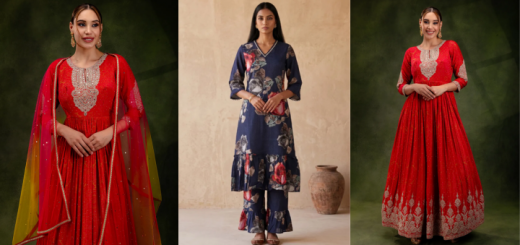
The Anarkali suit is a long, flowing dress with a fitted bodice and flared skirt, worn over churidar leggings and a dupatta. The shape of the Anarkali is often compared to the bud of a pomegranate flower, and hence the kurta, or the kameez, is a defining feature of the Anarkali suit. The kurta is a fitted-bodice attire that flows till the knees or calf like an umbrella. Traditionally, the bottom is fitted, but in modern times, Anarkali is paired with tulip pants, dhotis, trousers, palazzos, and even skirts. Anarkali has transformed into a contemporary look with many interpretations and stylish versions with a kurta featuring modern cuts, embellishments, and layers.


Origin and history of Anarkali Suits
The Anarkali originated from the Mughal era and was created using elements of the clothing worn by Mughal princesses or queens. The name Anarkali is taken from a famous dancer in the court of Emperor Akbar; she was one of many courtesans that he kept in his harem. The Anarkali suit became very popular in the Bollywood film industry during the 1950s and 1960s and is still a very popular clothing choice amongst women today, with print and modern variations. The classic Anarkali design is characterized by elaborate embroidery and/or printed patterns, as well as high-quality fabrics, making it an elegant option for formal events.

What is a Sharara Suit- The Components!
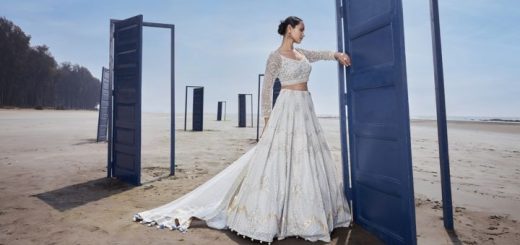
The Sharara suit has a South-Asian origin and is often worn as a part of cultural/religious celebrations. The traditional style of the Sharara suit reflects the Mughal connection and consists of three primary pieces- the kurti, kurta or the top, the Sharara or the bottom, and the dupatta. The upper portion or the top comes in a variety of lengths and designs. The second piece is the very elegant and voluminous Shararas, which are wide-legged pants, fitted till the knees and flowing freely from there till the ankles. The third piece, which is the dupatta, can be the dramatic element to the overall look. Modern versions of Shararas are replacing dupattas to form jackets or capes. The Sharara, which defines the dress, is bell-shaped and adds character to the entire dress. With heavy construction, embroidery work, or royal details, a Sharara suit transforms into a decorative piece for festivals.

Origin and History
The outfit is directly derived from the Mughal and Rajput clothing styles and is said to have originated in the Awadh region. The Sharara suits also have a Persian influence and hence boast a cultural blend and an amazing craftsmanship of zardozi and heavy embroidery. Popularized by royal women and queens of the 17th-19th centuries, the Sharara suits saw a resurgence in fashion. Later, it was also popularized a lot by the Bollywood actress Meena Kumari in her movie Pakeezah. Throughout this entire period, gradual changes were made to the traditional Sharara, ultimately leading to the modernized styles and differences in Sharara suits being used regularly at wedding/festivity celebrations. The modern world adapts traditional shararas but with a fusion of styles, including trendy tops, embellishments, and layers such as capes and jackets.

Festive Splendour: Why and How Sharara and Anarkali Dresses Shine?
- Women love wearing Sharara and Anarkali dresses on Indian festival occasions like Diwali, Eid, and Navratri as both styles reflect elegance, grace, aristocracy, royal vibes, and creativity.

- These beautiful dresses are the ideal outfit for these festivals because they are historically inspired by the Mughal era and come in rich colours, have impressive embroidery, and are made of luxurious fabrics like silk, velvet, and organza.

- Elements like Gota patti, sequin, and zari work add a little glamour to each outfit and make the wearer feel like royalty.

- The flaring/flowing style of the fabrics used to create Sharara and Anarkali dresses means that you can also twirl and dance in the style while indulging in joyful and youthful vibes for festivals.

- The reason that women choose to wear these two styles is that they feel beautiful and comfortable in something that adds a tradition, richness, culture, legacy, and style to their celebratory outfit.

- Both outfits have deep-rooted histories and are continuously transforming with modern tweaks and trends. The modern versions combine festive elegance and bridge the gap between ethnic and contemporary fashion.

Modern Versions Of Anarkali and Sharara Suits
Fashion trends keep evolving, and so do the Sharara suits and Anarkalis. Both outfits have made a comeback in royal and modern avatars. Modern interpretations feature simpler designs, pastel hues, layers, jackets, trendy bottoms like dhoti tulip, and more. Enjoy the latest festive suit designs 2026.
-
Jacket Suits
Jacket Anarkali and Sharara are a contemporary version that eradicates the need for dupattas. The jacket suits have gained immense popularity over the years. The fresh designs appeal to younger generations and modern women.

-
Crop top Sharara sets
The bold design of a salwar suit encourages the revival of traditional suits. The bridesmaids and youths are flaunting these edgy designs while being mindful of the culture, tradition, and historical roots. Yes, the crop top dresses reflect the blend of ethnic embroidery work and modern vibes.

-
Layered suits
The layered versions are fun and creative and look dramatic for sangeet and haldi ceremonies. The suits reflect the transition and versatile style that women adapt for experimentation and fun.

-
Pastel Versions
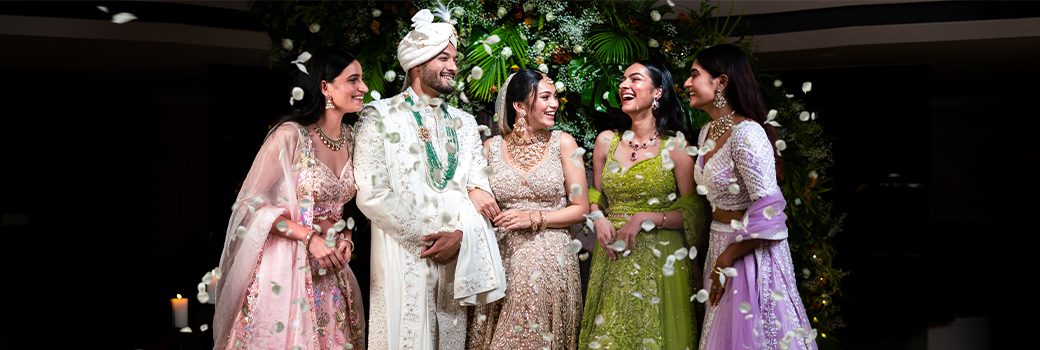
Pastel suits prioritize minimalism, comfort, and elegance. The suits in bottle green, mint, peach, and ivory shades are the current fad and create a whimsical look and appearance.

-
Peplum Sharara suits
Peplum salwar kameez styles are all about the Indo-Western fusion. Peplum tops with Sharara bottoms are apt for semi-formal events and festivals. Peplum Sharara dresses are ideal festive suits as they have their own design variations like varied length, embellished styles, frock style, jacket pattern, and more.

-
Floral Suits
Flower prints are a major trend and refuse to fade away. Flower prints on breathable fabrics like cotton, linen, chiffon, and georgette are apt for summer festivals.

Samyakk boasts of a wide and diverse range of Anarkali suits and Shararas for festivals and parties. You can have your pick based on price range, style, colour, sizing, fit, and fabric choices. You can browse for simple, high-end, heavy, embellished, and bold designs of Salwar Kameez depending on the theme of the event. You can expect premium fabrics like silk, velvet, chiffon, georgette, and brocade for your festive suits.
Frequently Asked Questions (FAQs)
What are the apt bottom styles for Anarkali suits?
Unconventional palazzos, dhotis, trousers, tulip pants, and traditional churidars are perfect pairings with Anarkali suits.
What kind of tops or kurtis can be paired with Shararas?
Peplums, crop tops, simple kurtis, embellished straight kurtis, and slit kurtis can be paired with Sharara bottoms.
What fabrics in Anarkali and Sharara suits are best for festivals?
That depends on your choice, weather, and occasion. If you wish to go for comfort, pick linen, organza, cotton, and chiffon suits. For winter festive elegance, opt for velvet and silk suits.
Also Read:-
Where To Buy Authentic Kanchipuram Silk Sarees Online: A Complete Guide