The Essential Types of Silk You Need to Know
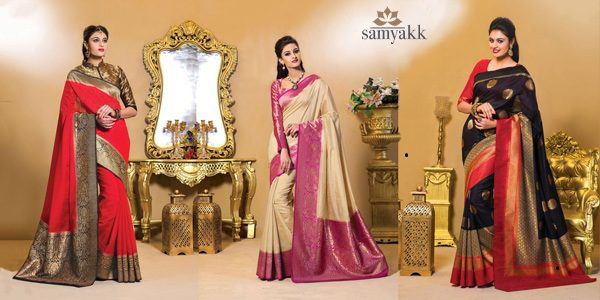
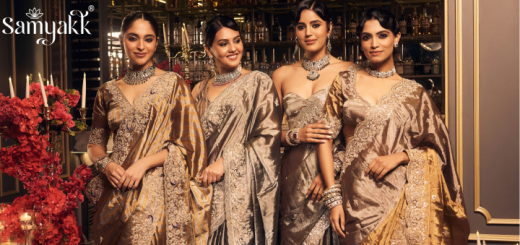
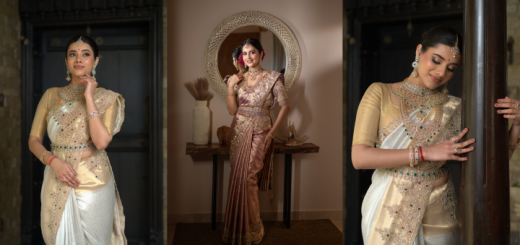
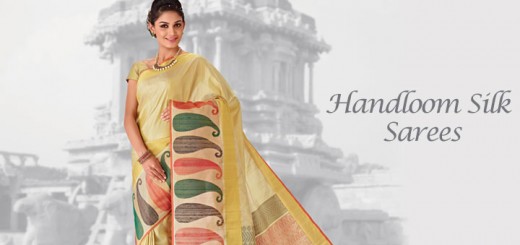
Talk about the sarees with value and prestige, and what pops up is the silk sarees. Call it investment, luxury, royalty, heritage, or culture, they are just the masterpieces for women in India or settled abroad. Silk also has auspicious significance as associated with Kanchipuram, mulberry silk sarees, handloom banarasi silk sarees, crepe, dupion, or tussar silk sarees. The silk comes in a wide range, and each saree is passed down to generation from mother to daughter and is like a family history. So, we all know that it is a delicate fabric with lustre and shine, but Samyakk delves a bit deeper and refers to the various types of silk, including popular, primary, specialized, and other types of silk and silk sarees.
Primary Types of Natural Silk
It is extremely important to consider the importance and quality of silk sarees you are wearing, and what the major types of silk sarees women prefer. The names would let you know about the texture, sheen, structure, commercial value, and unique characteristics.
-
Mulberry Silk
Mulberry silk is a symbol of auspiciousness, purity, and genuineness. They are one of the most popular silk versions for trend events and high-end formal parties. Mysore saree, Kanchipuram, and banarasi saree designs are crafted using mulberry silk. Made from the cocoons of the Bombyx mori silkworm, these sarees are superb drapes. The silkworms feed on mulberry leaves, and that is how the process goes to create the buttery-soft texture of the sarees. These sarees feature long-lasting colours, look bright, and offer high comfort.


-
Eri Silk
What a peace this silk saree provides. Yes, literally, the cruelty-free sarees offer peace and comfort and are known as ‘ahimsa’ or ‘peace silk’. The eri silk sarees are created from the moth or worm named Samia ricini that has naturally exited the cocoon. This offers comfort for all-weather and year-round staples. The non-violent method used to craft these sarees is great for fashion enthusiasts who love peace and the environment. These offer a slightly coarse texture and offer a purer feel. The sarees are widely popular in Assam, India.
-
Muga Silk
Another valuable, treasured, and rare fabric used to craft heirloom sarees is muga silk. It is said to be made with strong and sturdy natural fibres and is also referred to as ‘liquid silk of Assam’. The sarees are famous to b gifted and worn during weddings and have cultural significance. The muga silk sarees are lightweight and breathable, and year-round staples.


-
Tasar (Tussar) Silk
Wish for an aesthetic silk saree. Blindly opt for tussar silk for natural sheen, versatility, and adaptability for multiple occasions. The tussar or tasar silk is also called wild silk or kosa silk and is preferred by both urban and traditional women for their events. The tussar saree is distinctive as they are crafted by silkworms that give an aesthetic and earthy texture to the saree. This saree also features block prints and kantha embroidery work.


Popular Silk Fabric Weaves
Silk sarees have immense popularity in India, and it is around these days, thanks to Bollywood influence and social media culture. So, here we go describing the magic of the popular silk fabrics in India.
1. Chiffon Silk
Chiffon is airy, soft, flowy, and breathable, and blended with silk, you can imagine the ethereal elegance you are going to achieve for your casual gatherings and get-togethers. Chiffon silk adds unmatched aesthetics to add dimension to your wardrobe. The luxurious chiffon silk is crafted from natural silk fibres, and the high-twist yards of chiffon are blended to form premium sarees.
2. Organza Silk
Along with heritage, culture, and a traditional feel, you can also achieve remarkable durability with organza silk sarees for your evening glamour and parties. Organza adds a sheery chic appearance, and silk adds the romantic vibes and softness. Traditionally and naturally, it is made from silk, but they are twisted tightly and treated with acid to form sheer and crisp organza silk. These sarees are lightweight and have a critical and dreamy look.


3. Satin Silk
Well, a satin silk saree is revolutionizing the fashion world of sarees. Silk culture and cocoon formation using Bombyx mori silkworms are practiced to form the silk. The silk yarn is later woven on the loom to create a satin silk structure. The process adds superior aesthetics and a luxury feel and is a symbol of elegance, reception, and weddings. You can also wear a satin silk saree at cocktails and sangeet nights.


4. Dupion Silk
Dupion comes from the word doppio in the Italian language, which means double. So, a double cocoon process is used to craft the silk sarees, hence the name dupion silk. Unlike regular soft silk sarees, the dupion silk fabrics are crisp and structured. The thick-and-thin threads wefted together add visual interest and create a two-tone shimmery effect. These fabrics are popular for high-end fashion and are of bridal importance. Due to their thick and crisp nature, these sarees are wrinkle-resistant.
5. Charmeuse Silk
High-quality mulberry silk is used to produce the saree, which offers highly reflective and visually appealing aesthetics to the saree. It is a highly specialized satin weave that offers a soft texture to the sarees. The excellent Charmeuse Silk drapes are preferred for captivating lustre at weddings and grand ceremonies.

Other Specialized Silks
It will be interesting to know that there are many specialized and unique silk types apart from mulberry, eri, and tussar. They can be differentiated by the type of worm used or the weave used to craft the fabrics.
-
Spider Silk
Surprisingly, they are not formed by silk worms but, as the name suggests, the abdominal glands of spiders are used to craft spider silk sarees. This offers durability, thickness, and toughness to the fibers. Made from proteins called spidroins, they add tensile strength and biodegradability to the sarees. Since the saree has unmatched properties and eco-friendliness, many women wish to embrace themselves in these sarees.
-
Sea Silk (Mussel Silk)
Processed from protein-based secretions called bysuss threads, these sarees are lightweight and golden in colour. Secretions of the rare species- Pinna nobilis also make the sarees rare. The shimmer and durability of these sarees do not vanish over time. Since the sarees are produced from an endangered source, there are limited editions available in the market. The sarees are said to be almost forbidden to sell. Very few people know the importance of these sarees.
- Art Silk (Artificial Silk)
These sarees are crafted from cellulosic fibres, and they are replicas of the natural silk sarees. The lustre and sheen mimic the silk sarees and are popular for low-maintenance features. For urban women, the art silk sarees hold immense value and importance for contemporary aesthetics. In fact, these sarees are an affordable luxury.
Top Indian Silk Varieties
Coming to the top and most preferred Indian luxury sarees, it would be meaningful and very common to name Kanchipuram or kanjivaram sarees, Banarasi sarees, Mysore silk sarees, and Matka silk sarees.
-
Kanchipuram Silk
Well, many aesthetics define a pure Kanjivaram saree. Pure mulberry silk is used to craft these traditional and premium sarees. These sarees hold religious and cultural significance and are Indian wedding staples. They are like a non-negotiable garment in South India and many parts of India and abroad. The silk is said to be woven in three-ply to add weight and heaviness to kanjivaram sarees.


-
Banarasi Silk
The banarasi silk originates in Varanasi and is like a symbol of Indian heritage, culture, tradition, and Indian fashion. Intricate gold and rich zari work define the beauty of these sarees. These six-yard sarees are inspired by Mughal motifs. India’s ancient weaving tradition can be associated with the Banarasi saree.


-
Matka Silk
Matka silk is another heirloom and eco-friendly production. They are crafted from mulberry silk cocoons that go to waste. As compared to rich Kanchipuram and Banarasi sarees, they are more affordable. These sarees have rustic texture and aesthetics.


-
Mysore Silk
Mysore silk sarees are highly in demand and very popular, especially in South Indian landscapes. The Mysore silk saree embodies understated luxury, unmatched quality, and elegance for weddings as well as social gatherings. These sarees are symbolic of South Indian royalty.

The pure silk fabric is considered auspicious and pure and is quite adaptable as per various themes, moods, and tastes. Silk sarees at Samyakk offer all-season comfort and reflect artisanal skill and empowerment. The genuine Mysore silk, kanjivaram silk, Paithani silk, and Tussar silk sarees available at the fashion brand allow women to embrace traditional aesthetics with modern comfort.
Frequently Asked Questions (FAQs)
Which silk saree is the best investment piece?
Banarasi, Patola, Paithani, Kanchipuram, Mysore, and Uppada silk sarees are among the best investment pieces with cultural and heirloom value.
Which is the most common silk saree in India for weddings?
Kanchipuram ana banarasi sarees are popular for grand wedding ceremonies for the rich, intricate work, heavy zari embroidery, contrast border, pallu, and Mughal-inspired, beautiful motifs like lotus, paisley, and temple borders.
What fabric blouse is best for a silk saree?
You can get the blouses in fabrics like velvet, embroidered silk, raw silk, brocade, and cotton-silk.
Also Read:-
How to Choose a Lehenga That Looks Flawless in Wedding Photography