Salwar Kameez vs. Salwar Suit: Is There a Real Difference?
Call it a salwar suit or a salwar kameez, both are traditional, age-old, and almost have the same breakdown of their components. There is one upper garment called a kameez or a kurta, and a lower garment called a salwar. So, this implies that a salwar or a lower is common in both styles, and the style, length, and pattern of the upper (kameez) might vary. Then there is a third component, which is called a dupatta, or a chunni, and women wear the dupatta in different ways. Few take it over the head, and some put it on the shoulders. So, overall, it’s just about different people using different terms. Samyakk explores the silhouettes and helps you understand if there is any real difference.
What Is the Actual Difference between salwar kameez and salwar suit?
The salwar kameez term is more significant of a traditional cut, design, or pattern that consists of three pieces- a top, a bottom, and a dupatta. Salwar refers to the loose and baggy bottom that is a traditional wear. In India, the outfit is popular and has cultural and traditional values associated with it. The terms salwar suit and salwar kameez are used interchangeable but not all salwar suits need to be salwar kameez. Overall, both are broad, general, and umbrella terms to describe a three-piece garment consisting of upper, lower, and a dupatta.
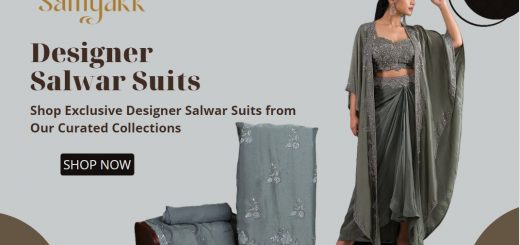
In modern fashion, the traditional salwar kameez has transformed from a three-piece garment to something more innovative and stylish. When you say salwar suit, the primary elements, the kurta and bottom, can refer to creative and innovative avatars. Designers have been experimenting with traditional garments to come up with the trending salwar suit for women. The kameez has transformed into crop tops, peplums, asymmetrical kurtas, sleeveless kurtas with capes, etc. Suits have become highly versatile with unique bottoms also. Tulip pants, dhotis, cowl pants, trousers, and palazzos have replaced the traditional salwar.


Evolution and Modern Significance of Salwar Suits
Today, the salwar suits are not just humble and cultural garments. They are at the intersection of modernity, convenience, adaptability, style, and cool factor. The suits are versatile and adaptable for all kinds of events, including weddings, festivals, cocktail, haldi, and mehendi. You can also achieve everyday versatility with modern cotton and linen suits. Social media plays a huge role in the makeover of salwar suits. From professional workwear to wedding attire and cocktail numbers, a salwar suit plays multiple roles in a woman’s style statement.
-
Fabric Innovation
If silk, brocade, and velvet are traditional and heritage fabrics, there are cotton, linen, georgette, chiffon, organza, and other lightweight fabrics that are preserving the luxury and also offering comfort and ease of movement. Organza and metallic fabrics have become the sought-after choice for cocktail parties. Women are opting for crepe, cotton, and linen for office wear. Silk and velvet have always been the main characters for weddings and grand events.

-
Fusion
The flow, form, structure, and components of the salwar suits have changed. Aesthetic lines, jackets, capes, sharp cuts, and peplum style kurtis are bespoken of contemporary appeal. These aspects offer traditional suits a fashion-forward appeal for modern women and youth to accept and embrace.

-
Trendy Bottoms
Women are also crazy about the diversity that the unique bottoms offer; it’s not just about salwar or churidar anymore. Women are going for refreshing vibes with cowl pants, dhotis, tulip pants, and trousers paired with kurtis or peplums. Wide-legged palazzos have taken the fashion world by storm for comfort and stylish edge.

-
Offbeat colours
Apart from salwar kameez design and fabric, the modern shift also focuses on the colours of the salwar kameez. Women are replacing the traditional red, green, and pink and leaning towards muted, elegant, large, and neutral hues. Bold and bewildering tones are also in trend for cocktail parties. Pastel suits are the choice of professional women and are also preferred for daily wear and beach wedding events, depending on the pattern and embroidery work of the suit. Monochromes with thin gold and silver lace offer vibrancy to align with semi-formal events. The simple suits with subtle embroidery work help women achieve the best of both worlds- ethnic and modern.

-
Embroidery Work
Going by the history, mirror-work, resham details, zari, and cut-dana have always been a status symbol of wealth and opulence. But smart and modern women are blending the details with contemporary designs for designer salwar suits. A cotton salwar kameez with an embellished crop top and cape is an ideal example of fusion. Women want to embrace handwork salwar suits with a twist. Rather than going for full-fledged embroidery work on suits, they prefer subtle embroidery work on sleeves, the hem of the kurta, or the edges of the bottoms. A monotone sleeveless suit with an embroidered cape looks ornate, festive, and modern.

Latest Salwar Suit Designs 2026
1. Straight-cut Suits
Cotton, linen, and georgette fabrics offer supreme comfort and are ideal for crafting simple straight suits. Printed straight suits in chiffon and organza fabric also offer grace and elegance for family events, the office, and festivals.

2. Palazzo Suits
Is it about a flowy and breathable silhouette for modern fashion, comfort, and pre-wedding galas? Printed, embellished, and trendy palazzo suits can create a graceful and elongated silhouette for such occasions.

3. Asymmetrical Suits
Here is the world of artful detailing and creative appeal with the latest salwar kameez design. Look fashion-forward with a kurta that features high-low hemlines, layers, or tiers. The pattern aligns with the fun and creative vibes of the mehendi and haldi ceremony.

4. Pastel Suits
Want a whimsical appeal and a soft, romantic hue for a beach wedding? Go for a pastel salwar suit that looks pleasing and ethereal with a backdrop of the ocean. Lavender, icy blue, mint green, and dusty rose pink plum suit or crop top suit can really show off serene aesthetics.

5. Printed Suits
You can combine timeless motifs such as bandhani, leheriya, and flowers with a designer crop top suit, sharara suit, or palazzo suit. You can also choose floral, abstract, geometrical, and dense prints as pr your approach and choice.

6. Belted Suits
Want and effortless draping for a party, sangeet night, or social gathering. A salwar kameez with a blazer can accentuate your figure and offer immense ease.

7. Peplum Suits
Those who want comfort, creativity, as well as elegance may opt for peplum suits in vibrant shades for haldi, mehendi, and cocktail events. Peplum is comfortable, and you don’t have to sacrifice your style statement either.

8. Cape or jacket suits
No wonder capes and jackets elevate your ethnic look and add drama and more details to your appearance. Capes are creative and look bold with designer salwar suits with sleeves. Jackets with mirror work or floral prints look refreshing.

Consider your salwar kameez or salwar suit for power dressing, creativity, modernity, and a refined look and appeal. The captivating vibes of the capes, the playfulness of peplum, the comfort of belts, and the drama of layers and asymmetrical cuts prove that salwar suits can also be about easy styling, drama, fun, and passion. Samyakk aims at bridging the gap between traditional salwar kameez and modern salwar suits.
Frequently Asked Questions (FAQs)
What type of casual salwar kameez can I choose for daily wear?
Opt for cotton, linen, and soft chiffon fabric for comfortable daily wear suits. Pastel tones and lightweight fabrics together can look simple, cool, and edgy for summer gatherings and daily wear.
What fabric should I prioritize for weddings?
For a polished and refined look, opt for silk, brocade, velvet, and embroidered georgette fabrics. These fabrics look royal and elegant for grand events like weddings.
Also Read:-