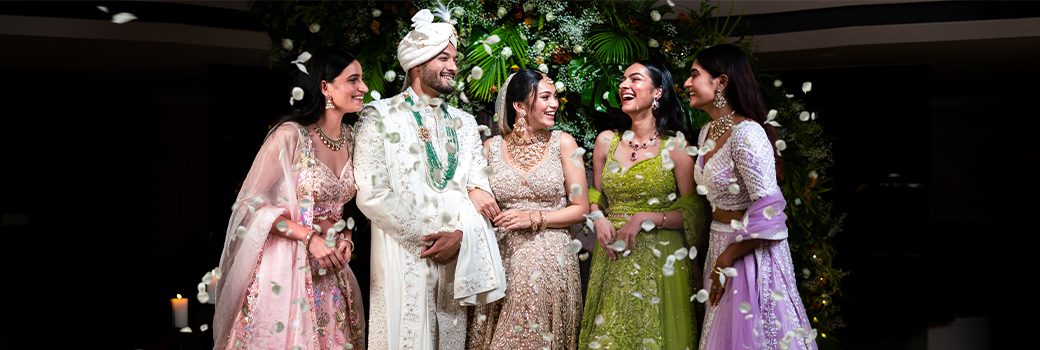
Perfect Saree Looks for Temple and Pooja Wear
Sarees hold a special place in Indian heritage, embracing culture and elegance. When it comes to temple visits and Pooja ceremonies, sarees are the ideal choice which makes the women honor the tradition and exude a timeless charm. Whether it’s a traditional handloom saree, classic Kanchipuram or a modern designer saree, the right saree showcases grace with simplicity. Let’s discover how the right saree designs can elevate your look for temple visits and Pooja wear, reflecting the essence of our heritage.
Why Choose Sarees for Temple and Pooja Wear?
Sarees for Pooja carry a traditional charm and is preferred for temple wears because they express cultural identity, devotion and purity. The saree celebrates the emotional connection of women with the tradition. Wearing saree during Pooja is considered as highly auspicious, representing the divinity and the culture.
Sarees Crafted with Divinity
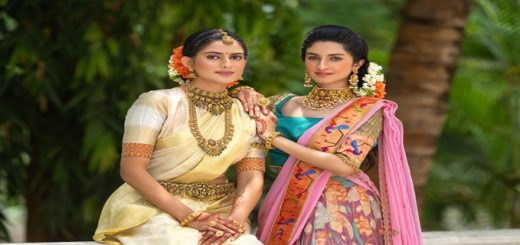
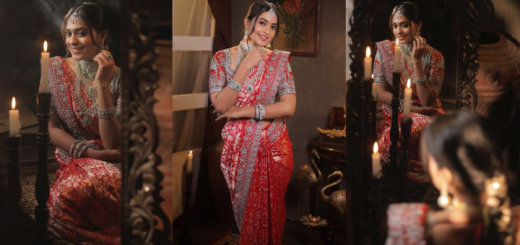
Choosing saree for Pooja or temple wear depends on individual’s style, comfort and the ritual. Women who want to embrace tradition and artistry, can opt divine Kanchipuram or authentic Banarasi which offer a royal and a sacred look for Pooja rituals. Handloom sarees can also be the better choice for people who seek comfort and elegance. Designer sarees in pastel colors with subtle embellishments can also be the great choice for ladies who prefer a modern touch while honoring the tradition.
Royalty in Every Thread – Kanchipuram Sarees
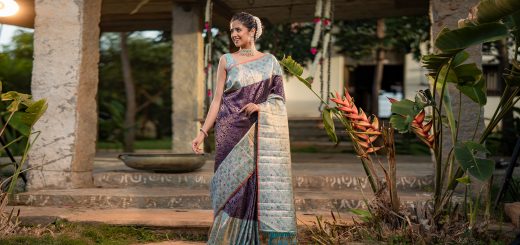
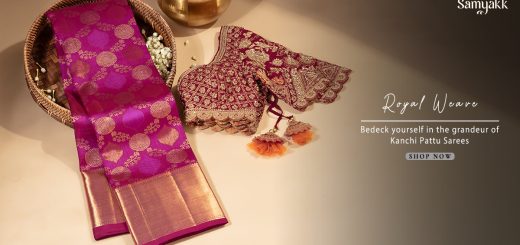
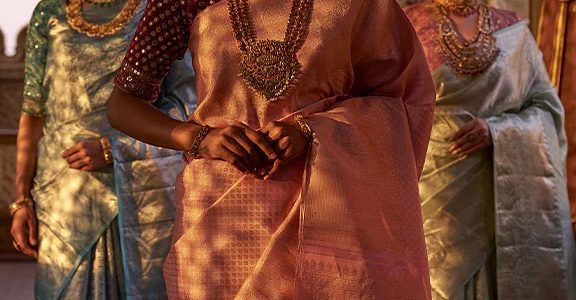
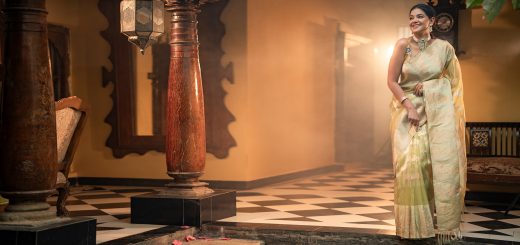
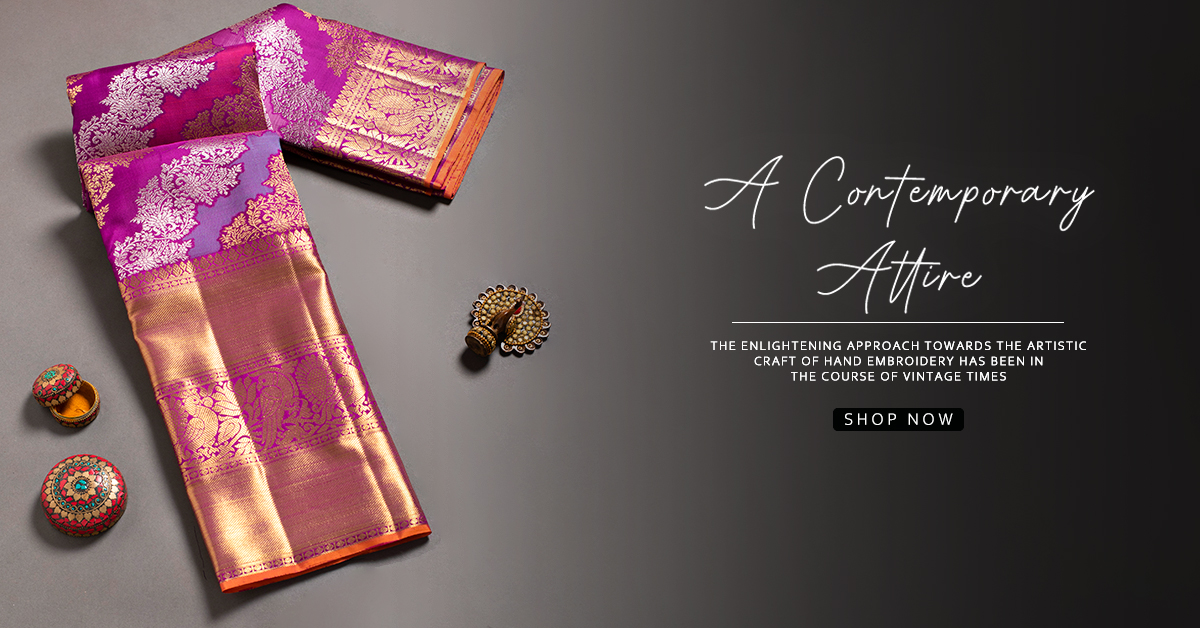
Ideal for Pooja ceremonies and temple visits, Kanchipuram sarees radiate royal elegance with their shiny silk fabric, vivid colors, and rich zari embroidery, which features temple borders, floral, bird, and animal motifs. The traditional Kanchipuram saree drapes with elegance and the zari artistry envelop the wearer in a radiant glow. Kanchipuram sarees make statement when it comes to traditional ceremonies, featuring unique craftsmanship and timeless charm.


Tradition Woven with Devotion – Banarasi Sarees
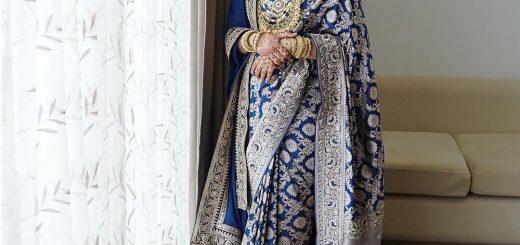
Banarasi sarees are celebrated for their luxurious silk fabric and rich sparkling zari artistry. These sarees are weaved with intricate craftsmanship and the pattern is been inspired by Mughal artistry featuring elegant Meenakari art, floral and animal motifs. The unique brocade and Kadhwa weaving technique makes the saree itself artistic canvas, which makes it ideal any grand occasion and also special for temple visits and poojas.


Designer Sarees – Style meets Tradition
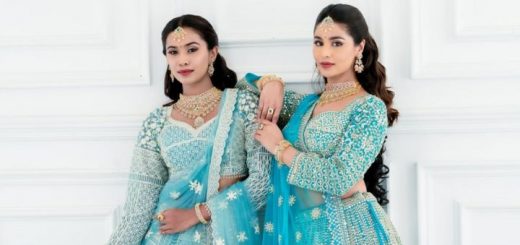
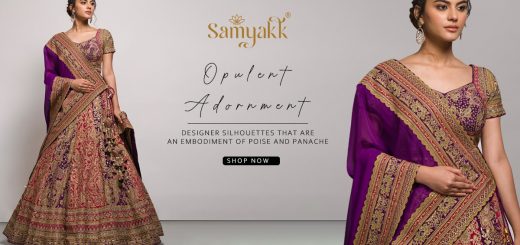
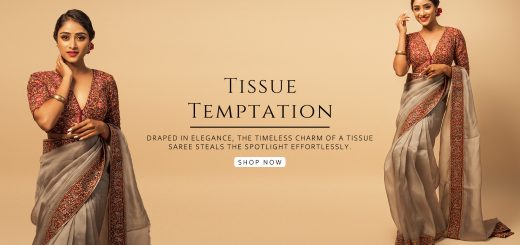
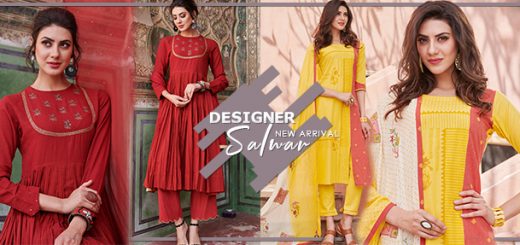
Designer sarees blend traditional elegance without compromising on style. The sarees in pastel shades with subtle embellishments can elevate a simple look without being over flashy. The designer sarees in breezy fabrics like georgette, chiffon, silk or organza makes the wearer comfortable, while respecting the traditional norms without compromising on style or comfort.


Tussar Sarees – Elegance with Simplicity
Tussar sarees have been recommended for their minimum shine and texture. These sarees usually feature prints, hand embroideries and traditional motifs which seeks balance between simplicity and sophistication, making them ideal for poojas, temple visits and also for grand occasions. Tussar sarees are breathable and eco-friendly which can be ideal for all the seasons.


Gadwal Sarees – Divine Elegance with Majestic Pattern
Gadwal sarees are known for their soft silk fabric and the kuppadam or korvai weaving border, which exude a regal contrast. Gadwal sarees are recommended because of their unique stripes, check pattern and temple borders, making them perfect choice for temple wears. The smooth texture of the fabric ensures to add a subtle charm and the great comfort throughout the day.

Bandhani Sarees – Tie & Dye meets Heritage
The origin of the bandhani saree is from Gujarat and Rajasthan and it features the unique tie and dye technique. Also these sarees are highly recommendable due to their different and handcrafted artistry. These sarees majorly found in vibrant colors like red, blue, purple, green and pink, which represent auspiciousness, joy and tradition. Also the bandhani sarees are found in lightweight fabrics such as georgette, gajji silk, crepe and silk, which offer comfort and enrich the look.

Paithani Sarees – Luxury with Sacred Charm
The legacy of Paithani sarees hails from Maharashtra and are crafted with pure silk threads and shimmering zari weaving. These sarees are weaved using handloom technique in jewel toned colors. The motifs such as peacocks, lotus, parrot and geometric motif patterns exude a ancient tapestry. Also it is believed that wearing a Paithani sarees during poojas bring a good fortune and considered as auspicious in the new beginnings.

Ikkat & Patola Sarees – Art in Every Thread
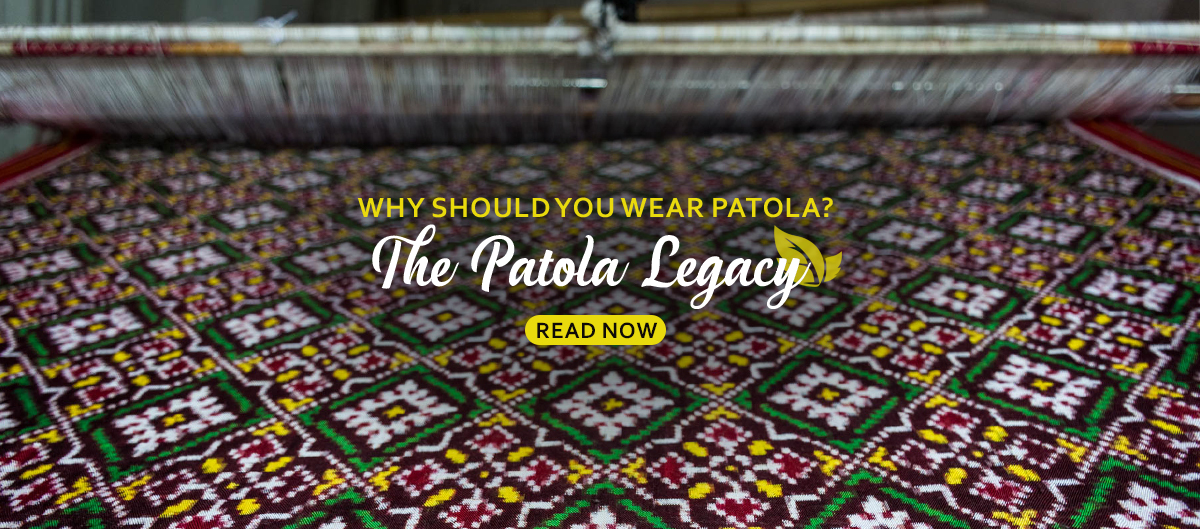
Ikkat sarees are crafted with unique technique where the threads are dyed before weaving, where as Patola sarees are the double Ikkat sarees which are from Gujarat, where the warp and weft threads are resist-dyed and it takes 6 months to a year to complete one saree, reflecting the artistic craftsmanship. These saree threads are made from natural fibers and dyes which makes them eco friendly and ideal for temple visits.


Handloom Silk Sarees – Weaves of Tradition
Handloom soft silk sarees can be the exceptional choice for temple visits and Pooja wear, because of their earthy and subtle colors, minimal zari motifs and thin borders. These sarees offer comfort with their soft texture, drape and the simplicity.


Take Away
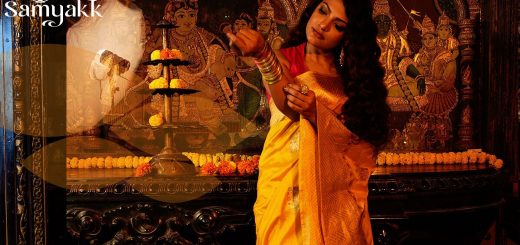
Sarees are more than a traditional attire and they are the expression of culture, devotion and style. From regal Kanchipuram and Banarasi to simple handloom silk saree each carries its own magic. Sarees transform the occasion with their enchanting elegance and artistry. Choosing saree for temple visits and Pooja rituals depends on individual choice, personal comfort and nature of the occasion. Samyakk offers a huge variety of the saree collections from classic handlooms to modern designer sarees that captures every gaze.
Frequently Asked Questions (FAQ’s)
Can I wear designer sarees for temple?
Yes! You can chose to wear designer sarees in pastel hues with minimal embroideries.
What kind of blouses I can pair with sarees for temple wear?
You can opt for elbow length sleeve blouses with simple embroidery. Avoid deep necklines instead go for round, boat or high neck designs.
What kind of makeup and hairstyle is suitable for Kanchipuram and Banarasi saree?
Go for a traditional bun or a braid decorated with jasmine flowers or gold pins for a classic look. Opt for bold lipstick shade, soft blush and thin eyeliner or a Kajal for eyes.