Beyond Red: Trending Kanchipuram Saree Colors for the 2026 Bride
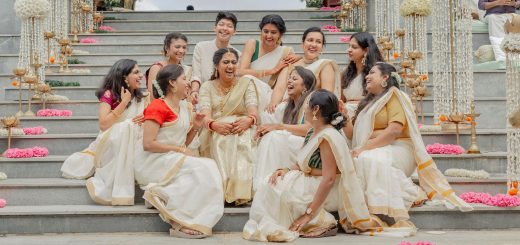
If you take a walk through the narrow, bustling lanes of Kanchipuram today, you’ll hear a specific, rhythmic sound the heavy thud-clack of the handloom hitting the wooden frame. It’s a heartbeat that hasn’t skipped in centuries. But if you look at the looms themselves, the colors being spun are far from what our grandmothers wore. For the longest time, a South Indian wedding was a sea of “Arakku” (that deep, iconic red) and mustard yellow. But for the 2026 bride? The palette is shifting toward something much more personal, moody, and sophisticated.
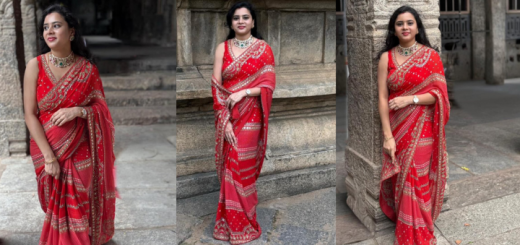
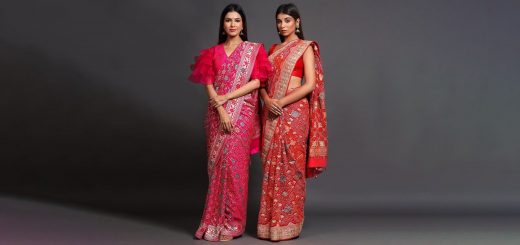
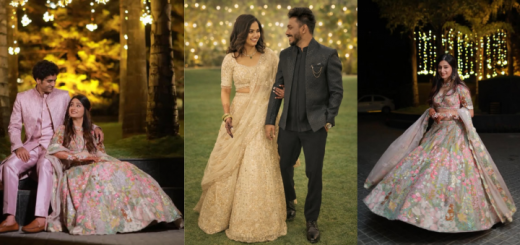
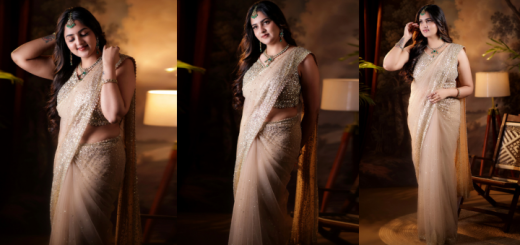
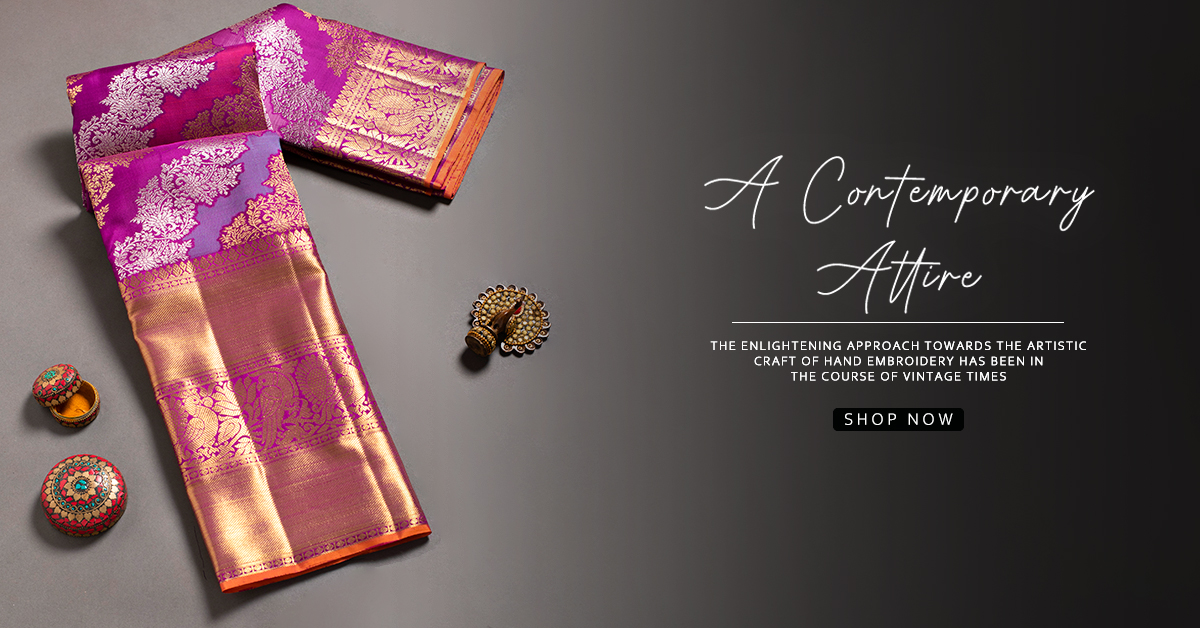
The “Red Saree” is a classic, no doubt about it. But the modern bride is looking for a Kanchipuram Silk Saree that feels less like a ceremonial uniform and more like a piece of high-fashion art. Whether it’s a sun-drenched morning Muhurtham or a glitzy evening reception under chandeliers, we are seeing a massive move toward “English” pastels, metallic tissues, and even earthy, grounded neutrals that were once considered “un-bridal.”


The Pastel Takeover: Why “Soft” is the New “Bold”
In 2026, the biggest trend is undoubtedly the “Quiet Luxury” aesthetic. Brides are ditching the loud, high-contrast borders for something more ethereal and seamless. It’s a “less is more” philosophy that actually takes more skill to weave.
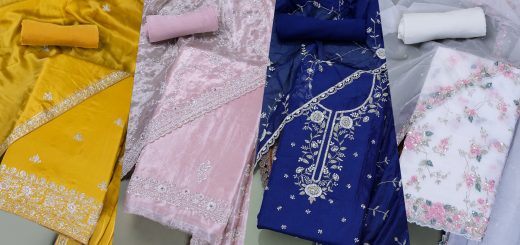
* Lavender and Dusty Lilac: This is the breakout star of the year. A Kanchipuram Saree in lavender, especially when woven with Vairaoosi (those needle-thin gold lines running through the body), looks absolutely regal. It’s light, it’s airy, and it doesn’t “wear” the bride. It lets your jewelry and your face take center stage.
* Seafoam and Powder Blue: These cool tones are perfect for the “Glass Skin” makeup trend. When you drape a powder blue Kanjivaram Saree, it catches the light in a way that makes you look luminous. It’s a very “frozen-in-time” aesthetic that feels incredibly modern.
* Frosted Sage Green: Forget the old-school parrot green or the deep bottle green. Sage is the “it” color for 2026. It feels organic, almost like it was dyed with crushed herbs, and it pairs beautifully with heavy, antique temple jewelry.


The “Liquid Gold” Movement: Tissue Weaves
If you want to skip the color wheel entirely, go for the “Tissue” look. This is where the weaver twists silk with metallic thread across the entire body, not just the border.
Rose Gold Tissue is the undisputed queen right now. It gives you a “lit-from-within” glow that looks incredible in 4K wedding films. It’s actually a bit lighter than a traditional Pure Kanchipuram Saree, making it much easier to manage during those three-hour-long rituals at the Mandapam. It feels less like fabric and more like molten metal draped over your shoulders. It’s the ultimate choice for a reception where you want to shine without wearing a heavy, dark color.


Earthy Soul: Terracotta, Mocha, and Charcoal
There’s a beautiful, grounded movement toward “Soil Tones” for 2026. This is for the bride who wants to look “Old Money” and sophisticated – the kind of bride who isn’t afraid to break a few rules.
* Terracotta and Burnt Orange: These shades give you the warmth of red but with a soulful, vintage twist. A Kanchipuram Saree for Brides in terracotta feels like an instant heirloom, like something pulled from a royal wardrobe in the 1940s.
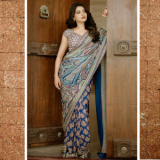
* Mocha and Slate Grey: Grey used to be a total “no-go” for South Indian weddings, but things have changed. A charcoal Kanjivaram Saree with a heavy, shimmering gold border is a total power move. It’s bold, it’s different, and it makes your diamonds pop like nothing else can.


The Anatomy of the Craft: Why “Pure” Matters
When you’re out shopping in stores like Samyakk or even visiting a private weaver’s home, you’ll hear the word “Pure” thrown around a lot. But a Pure Kanchipuram Saree isn’t just about the silk; it’s about the architecture of the weave. Most commercial, “budget” sarees are 2-ply. A genuine bridal Kanjivaram is 3-ply-three silk threads twisted together with a silver thread that’s been dipped in real gold. This is what gives the saree its “weight” and that signature “thud” when it falls.
Then there’s the Korvai technique – the ultimate test of a weaver’s skill. This is where the body and the border are woven as two separate pieces on the same loom and then joined by hand using a zigzag stitch called the Petni. When you see a Kanchipuram Silk Saree with a body in “Seafoam” and a border in “Deep Emerald,” that tiny, slightly raised seam where the colors meet is the signature of a human hand. In a world of machine-made clones, that “imperfection” is exactly what makes it worth the price.


The Journey to Find the One
For a bride, the hunt for the perfect Kanchipuram Saree for Brides is almost a rite of passage. It usually involves three generations of women sitting on a cushioned floor, drinking filter coffee, while the shopkeeper unfurls one masterpiece after another. In 2026, we are seeing brides move away from the big showrooms and heading back to the weavers’ houses. They want to see the loom. They want to see the Bavanchi border being created. There is a desire to know the name of the person who spent 20 days making their wedding outfit. This human connection to the garment is what makes the Pure Kanchipuram Saree so much more than just six yards of fabric.
Styling Your 2026 Look
The color is the canvas, but the styling is the paint. For 2026, the trends are very specific:
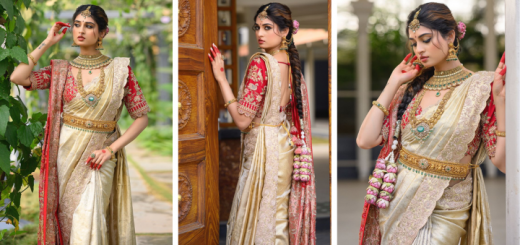
- The Monotone Blouse: Instead of a contrasting color, wear a blouse in the exact same shade as your saree. Use texture – maybe a heavy Muthu Kattai (pearl) work or 3D thread embroidery – to create the contrast.
- The Minimalist Belt: Traditional Oddiyanams (waist belts) are getting thinner. A sleek gold wire belt cinches the waist and keeps the heavy silk in place without looking too bulky.
- Silver Jewelry: Especially with the new pastel and grey Kanchipuram Silk Saree trends, white gold, platinum, and silver-toned jewelry are becoming more popular than traditional yellow gold.


The Investment: More Than Just a Saree
Buying a Pure Kanchipuram Saree is like buying a piece of real estate. It doesn’t lose value; it gathers memories. It’s something you pass down. As the looms in Kanchipuram continue to churn out these wonders, the “Beyond Red” movement is simply a way for the modern woman to say: “I respect where I came from, but I know where I’m going.”
Whether you go for a “Cloud Dancer” white or a “Midnight Amethyst,” the best color is the one that actually feels like home. Your wedding day isn’t a costume party; it’s a milestone. Choose the silk that makes you feel like the most polished, radiant version of the woman you already are because when the drape is right, you don’t just wear the saree; you inhabit it.

Visit https://www.samyakk.com/sarees/kanchipuram-saree for more.
Frequently Asked Question (FAQs)
How do I spot a fake Kanchipuram at home?
Burn a loose thread – if it smells like burnt hair and turns to ash, it’s pure silk; if it smells like plastic, it’s a fake.
Can I wear pastels for traditional rituals?
Yes, pastels are the 2026 favorite for morning weddings because they catch natural light much better than dark, heavy tones.
Why is there such a huge price gap?
It’s the Zari. Real Kanchipurams use silver thread dipped in gold, while cheaper versions use copper that eventually turns black.