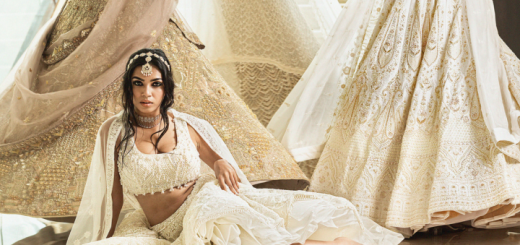
Beyond the Trend: 5 Timeless Regional Sarees That Will Never Go Out of Style for Festive Seasons
Every autumn, the festive season sneaks up on us, and suddenly every feed is flooded with micro-trends, fast fashion fusion wear, and colors that look dated by next year. But if you take a close look at the women who always look effortlessly put-together at family gatherings, you won’t catch them chasing viral fashion fads. They rely on something much more dependable: authentic regional handlooms.

Investing in a classic regional drape means you never have to panic-buy an outfit or wonder if you look out of place. These weaves carry centuries of genuine craft, and honestly, they look just as stunning today as they did in your grandmother’s wedding album.
Here are five regional sarees that are absolute gold standards for festive wear and will never, ever go out of style.
1. Banarasi Silk (Uttar Pradesh)
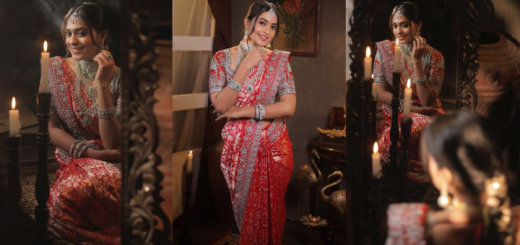
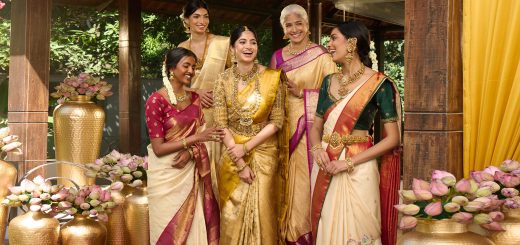
If you want something that screams traditional grandeur without feeling like you’re wearing a costume, a Banarasi is hard to beat. Coming straight out of Varanasi, these sarees are heavy, rich in texture, and packed with gorgeous gold or silver zari work.

- Why it lasts: A real Banarasi has a natural weight and royal gravity to it. It’s been the backbone of Indian celebrations for generations.
- How to style it: Let the weave do the heavy lifting. Pair it with antique gold temple jewelry, a neat bun loaded with fresh jasmine flowers, and a matching brocade blouse. Foolproof for Diwali or big family dinners.
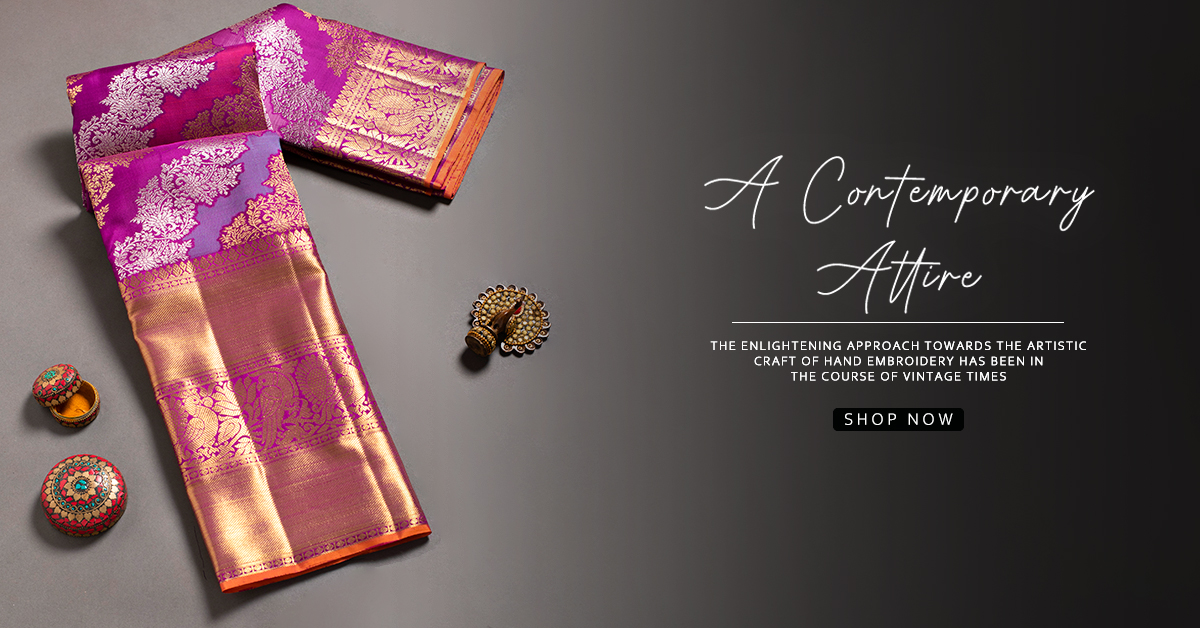
2. Kanjeevaram Silk (Tamil Nadu)
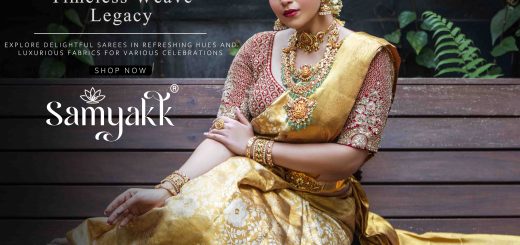
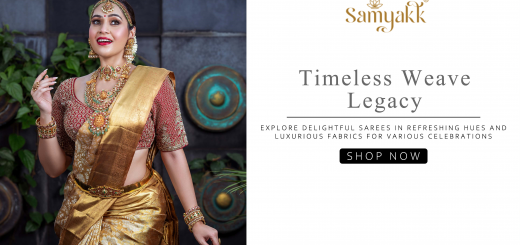
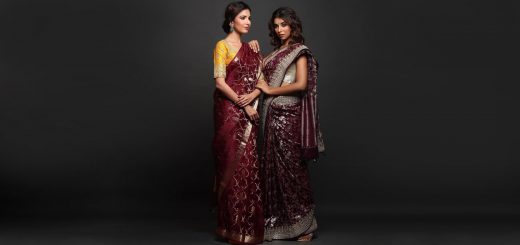
Often dubbed the queen of silks, the Kanjeevaram from Tamil Nadu is built to outlast us all. Woven from pure mulberry silk, these are instantly recognizable by their thick fabric, striking contrast borders, and heavy pallus featuring traditional temple and nature motifs.

- Why it lasts: The weavers use a brilliant technique where the body and the border are woven separately and interlocked so tightly that even if the body wears down years from now, the border stays intact. Plus, those deep jewel tones peacock blue, ruby red, emerald green never lose their magic.
- How to style it: Keep the rest of your look clean. Sharp winged eyeliner, bold lips, and a classic choker set are all you need.
3. Chanderi (Madhya Pradesh)
Let’s be honest: not everyone wants to lug around heavy silk during long festive days that stretch into late-night card parties. That’s where Chanderi comes to the rescue. Hailing from Madhya Pradesh, this fabric mixes silk and cotton (or pure silk) to create a feather-light feel with a subtle, shimmering zari touch.

- Why it lasts: It drapes like a dream and actually breathes. The sheer finish combined with delicate coin or floral motifs gives it a soft, understated elegance that works brilliantly for daytime pujas.
- How to style it: Pair a pastel or jewel toned Chanderi with oxidized silver or delicate kundan jhumkas, an elbow-length blouse, and soft, loose waves.
4. Patola Silk (Gujarat)
Patan Patola is widely considered one of the most painfully difficult and labor-intensive weaving techniques on the planet. Both the warp and the weft threads get tie-dyed with exact geometric precision before the weaver even touches the loom.

- Why it lasts: Because of that double ikat process, the design looks equally vibrant on both sides of the fabric. Patola is pure heirloom material durable, striking, and deeply tied to Indian textile history.
- How to style it: Patola patterns are naturally busy and eye-catching. Keep your jewelry minimal and let the saree flow freely so the geometric patterns can actually breathe.
5. Baluchari Silk (West Bengal)
Woven primarily in Bishnupur, Baluchari sarees are basically walking storybooks. Their wide borders and grand pallus feature detailed woven scenes pulled straight from ancient epics like the Ramayana and Mahabharata, alongside old-school historical motifs.
- Why it lasts: You simply can’t replicate this level of storytelling with modern machine prints. Wearing a Baluchari gives you a distinct, cultured look that completely stands out in a sea of generic festive outfits.
- How to style it: Lean into the cultural vibe by pairing it with terracotta or Bengali filigree gold jewelry, a classic bindi, and a simple solid-colored blouse.
Final Thoughts
Look, at the end of the day, buying another cheap, trendy outfit off the internet just for one Instagram post isn’t worth the hassle. When festival season rolls around, you want to feel comfortable, confident, and rooted in something real.
Grabbing a classic handloom whether it’s an old-school Banarasi passed down or a fresh Chanderi you picked up yourself changes how you experience the celebration. You aren’t stressing about whether your clothes look outdated by next month. You’re just wearing a piece of history that looks incredible, feels authentic, and will still look just as cool ten years from now. Skip the fast-fashion noise this year and wear something that actually lasts.
Frequently Asked Questions (FAQs)
How do I know if a festive saree is actually handloom and not machine-made?
Turn the saree inside out. Handloom weaves like Banarasi, Kanjeevaram, and Patola will usually have slight irregularities, floating threads, or continuous patterns on the reverse side. Machine-made knockoffs look far too clean and uniform on the back. Always look for the Handloom Mark or Silk Mark tag if you want absolute peace of mind.
What is the best way to store heavy zari sarees after the festive season?
Ditch the plastic garment bags they trap moisture and ruin the fabric over time. Instead, wrap each saree individually in a clean cotton or muslin cloth and keep them in a dry wardrobe away from direct sunlight. Most importantly, take them out and refold them along different crease lines every few months so the fabric doesn’t weaken at the folds.
Also Read:-