What is the Difference Between Pure Zari and Half Fine Zari?
A traditional silk saree’s allure goes beyond just the magnificent fabric. The zari’s significance in the aesthetics, weight, price and overall charm of the product cannot be disregarded. This is especially true in case of Kanchipuram silk sarees where zari patterns form an integral part of the fabric’s traditional character. Unfortunately, terms such as pure zari, half fine zari and tested zari may prove to be hurdle in the understanding of the buyers. The major point behind the discussions of the different types of zari that produce the saree is that there are many sarees that look alike on the outside but differ widely in terms of their zari content and prices. The better one understands the types of zari used in saree making, the better one can make informed choices when buying sarees for weddings, pujas, parties and other events.

What is Zari in a Silk Saree?
Zari is a metallic thread that is used to create golden or silver decorative embellishments on sarees. It is generally applied to borders, pallus, motifs, and buttocks. Traditional zari is manufactured using a textile base. While making traditional zari precious metals are used such as silver which has been coated with gold separating it from other elements. Zari adds richness, luxury, and beauty to silk sarees. Today there are many types of zari available such as half-zari, pure zari, tested zari, and imitation zari. These types of zari differ in terms of their effectiveness, durability, material and cost. Understanding the types of zari used in silk sarees is therefore important before buying such sarees.

What is Pure Zari?
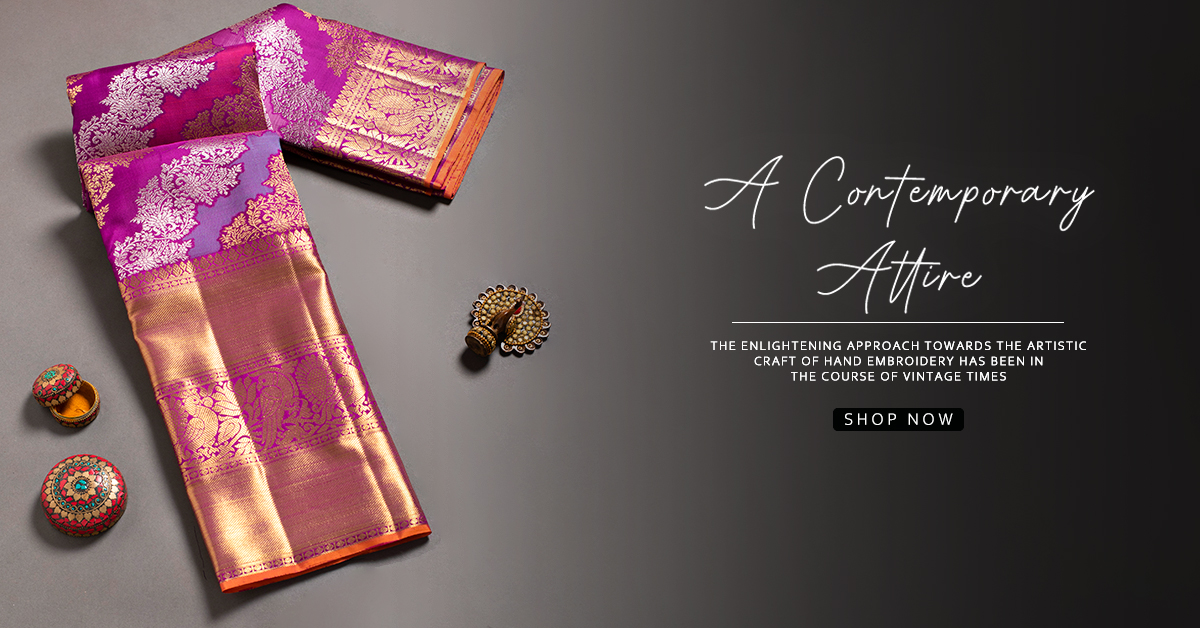
Pure zari is traditionally regarded as one of the most premium forms of zari used in silk sarees. It generally consists of a silk core covered with silver wire and finished with gold. Since precious metals are involved, pure zari has greater material value compared with many other varieties. A saree made with pure zari often has a rich and distinctive metallic appearance. If adequately taken care of, it remains beautiful for many years making it a widely chosen fabric for bridal sarees and heirloom collections. A Pure Kanchipuram Silk Saree adorned with traditional zari is widely cherished during weddings and momentous family occasions. Using pure silk along with intricate weaving techniques and traditional zari results in the characteristic look of classic Kanichipuram sarees.

What is Half Fine Zari?
In terms of price, half-fine zari is viewed as a cheaper alternative to premium pure zari and its precise composition can vary by manufacturer and seller, thus it’s necessary for buyers to ask about the specific materials used. The definition of half-fine zari includes a core made of silk along with cheaper metals and gold color offered as a finish. Because it doesn’t contain precious metals like real pure zari, it is offered at a lesser price. What makes half-fine zari attractive is that it creates a rich visual impact of traditional zari but costs less. Therefore, half-fine saree becomes a practical choice for any festive occasion, family celebrations, and gatherings when one may want to experience the elegance of pure silk sarees without paying too much.

Pure Zari vs Tested Zari
Another point that creates confusion for saree buyers is the contrast between Pure Zari vs Tested Zari. Pure zari is said to contain a precious metal ingredient, the most common being silver with a gold overlay, whereas tested zari is generally associated with a more budget-friendly type of metallic composition and mostly uses copper as a base. However, the term “tested” has no standard definition and may be used in different ways by different companies. Therefore, make sure to clarify with the seller what kind of metal is actually used and if any certifications exist instead of relying only on the product.Tested zari can provide a very nice traditional look that may appeal to those looking for a stunning Kanchipuram silk saree at a lower price.


Pure Zari and Half Fine Zari: What Should You Know?
The key distinction between pure zari and half-fine zari arises from the material used in manufacturing them, not just their visual appeal. Tradition has it that pure zari is made from precious metals, thus giving it huge material worth and hence, making it costlier. It is normally used to make bridal attires, wedding dresses and sarees that are meant to be passed on from generation to generation. In contrast, half-fine zari provides the opportunity to enjoy the same golden look offered by pure zari while spending less money. It is thus practical. In its final form, it still maintains the same traditional appearance and its golden look. Because of these similarities, it is not always technically possible to distinguish one type of zari from another. Thus, when you are buying an expensive saree, it is nicer to ask for its composition instead of relying on your visual perception alone.


How to Recognize Genuine Zari
If you want to figure out how to identify genuine zari, you need to check more than just look. There are a number of things to consider for making a better decision.
Inquire About the Material
The first thing that you should do is ask about the materials used to produce it. For example, if a saree is labeled pure zari, you should ask whether the seller added silver to it and whether the zari test certificate is there. A reputable seller should provide a specific explanation for the type of zari he uses instead of just saying gold zari.
Check the Overall Look
Genuine zari usually has a very clean gold-look finish. The pattern or design is supposed to look like a part of the fabric weave but not like a metallic coat put over it.


Examine the Saree Weaving
When buying a Kanchipuram silk saree, the focus should not just be on the zari but the fabric quality, weaving, border construction and prints. Original Kanchipuram sarees have their own unique weaving patterns like the Korvai technique, which is used to join contrasting borders and body. If the saree is being bought as an original silk product, a Silk Mark label can help to establish the authenticity of the silk. But it should not be assumed that a Silk Mark label means that the zari is also pure.
Request documentation
In the case of buying an expensive saree, the seller may be able to provide certain documentation that gives some assurance to the buyer. Ask the seller if they are willing to provide some details about the composition of the zari or if there is any relevant test certificate available. This is particularly important in the case of a bridal saree that is claimed to have pure zari.
Stay Away from Destructive DIY Tests
You may come across some online methods for testing the zari by scratching, burning the material or some other way at home. These should be avoided since they can ruin the saree.

What is Real Gold Zari Thread?
The term real gold zari thread can sometimes be misinterpreted. In the traditional gold zari, it does not mean that the thread is made from pure gold but rather the metallic part may use a silver wire that is finished with gold, which is twisted around the textile core. Thus, the term gold zari refers to its gold color or its gold component rather than suggesting that the thread itself is made from gold. This is why buyers need to know what the real metal composition is of the saree that is referred to as real gold zari. This is also the reason why it is important to distinguish between the two different aspects of gold zari in order to ensure that there is no more confusion while comparing the prices of the different kinds of silk sarees.
Which Zari Should You Choose?
The choice of zari often relates to your budget, the occasion, and the degree of sophistication you expect. Pure zari is an excellent option for more traditional pieces like bridal or heirloom sarees, which you will keep for a long time. Being an item made of precious metals and having a luxurious look, pure zari sarees are good for weddings and other great occasions. If you want a beautiful silk saree for family functions or festivals, you can consider half-fine or tested zari to keep costs down. Although, it is important to remember that the fact that a piece of zari is expensive does not mean it is the right choice for you. The main thing is to understand the meaning behind the price and the actual materials used for making the zari. If you are looking for sarees with traditional zari, you can consider comparing different Kanchipuram silk sarees to find what you like.


Final Thoughts
The disparity between pure zari and half-fine zari encompasses more than just the shimmering look of saree. Other factors such as the metal content, construction, positioning and authenticity are of paramount significance. Pure zari traditionally makes use of high-value metals thus making it very precious. Half-fine zari serves as a cost-friendly substitute for those who cannot afford pure zari. There is basmati zari, a frequently preferred option to use when creating an affordable product but retaining traditional essence on the lower end price-wise. When buying a silk saree, particularly an expensive wedding option, you should not rely on the brilliance of color only. Raise the question concerning the composition; review additional information about the product and cooperate with those who are open about the types of materials that are in use. It helps to do some research on zari before you buy a saree that would suit your personality perfectly and your budget as well.
Frequently Asked Questions (FAQs)
Is pure zari better than half-fine zari?
The pure zari is considered to be of a superior grade than half-fine zari due to the presence of precious metals in the former. However, half-fine zari is less expensive than pure zari and can be used on occasions and festivals. Your choice will depend upon your budget and needs.
How can I identify genuine zari?
You must inquire what actual metal has been used in the zari and if the seller has a zari testing certificate. You must not rely solely on measurements such as weight, color and shine.
Does Silk Mark prove that a saree has pure zari?
No. Silk Mark only proves the authenticity of the silk material from which the saree is made. It does not provide any proof of the purity of the zari.
Also Read:-
Banarasi Weaving Techniques: Demystifying Kadhwa vs. Phekwa Silks