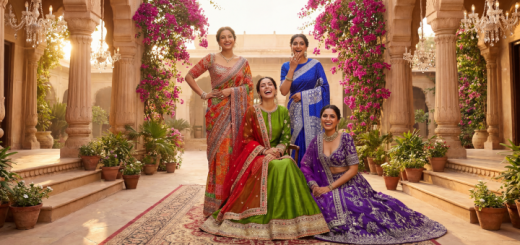
Saree or Lehenga: Which is Actually Best for Your Wedding?
For any bride-to-be, choosing that special outfit for her wedding day can be very exciting and sometimes overwhelming. When it comes to traditional outfits for Indian weddings, there are two timeless options that reign supreme in wedding discussions: the saree and the lehenga. Although sarees and lehengas each come from cultural, elegant backgrounds, they each create separate experiences in terms of aesthetics, comfort, and emotional effect. That makes the decision on what will be best for you on your wedding day much more than just picking which is the best. Which one of these styles resonates with you depends largely on your personal style, the theme of your wedding, the cultural traditions associated with your family, and how you want to feel on your wedding day. Let’s delve into both outfits further to assist you in trying to make the best decision.
The Timeless Appeal of a Saree
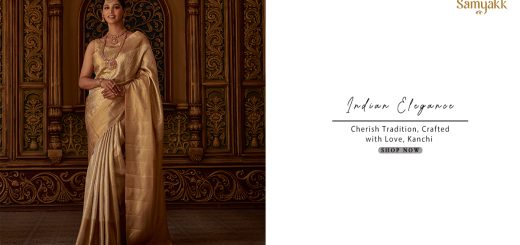
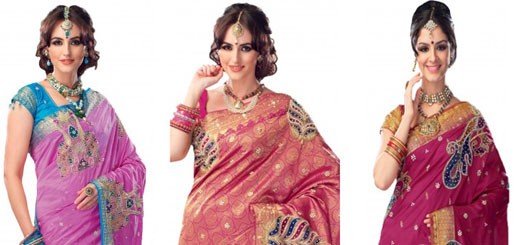
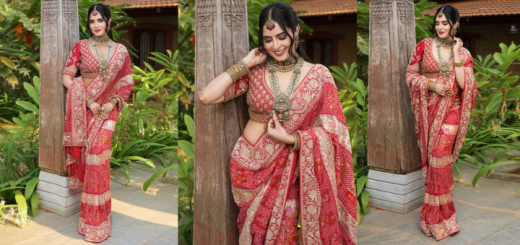
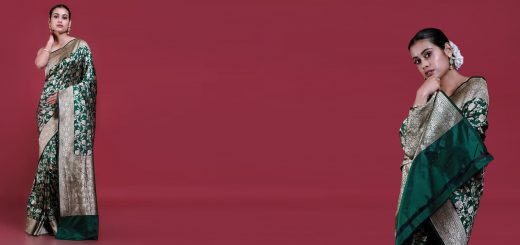
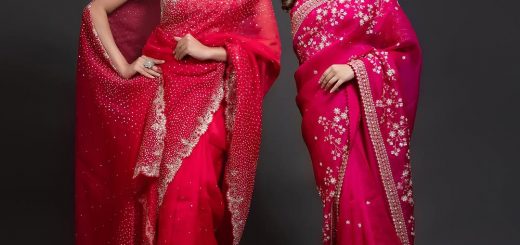
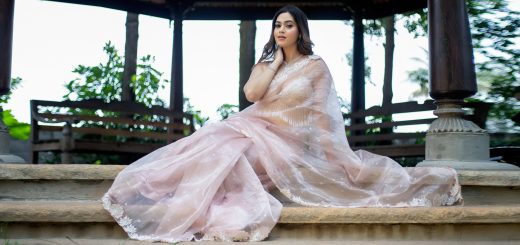
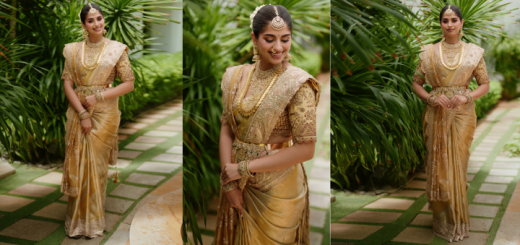
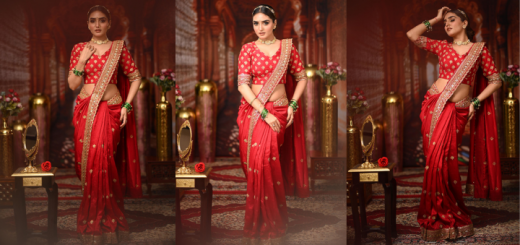
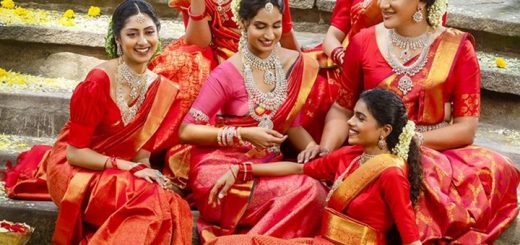
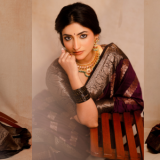
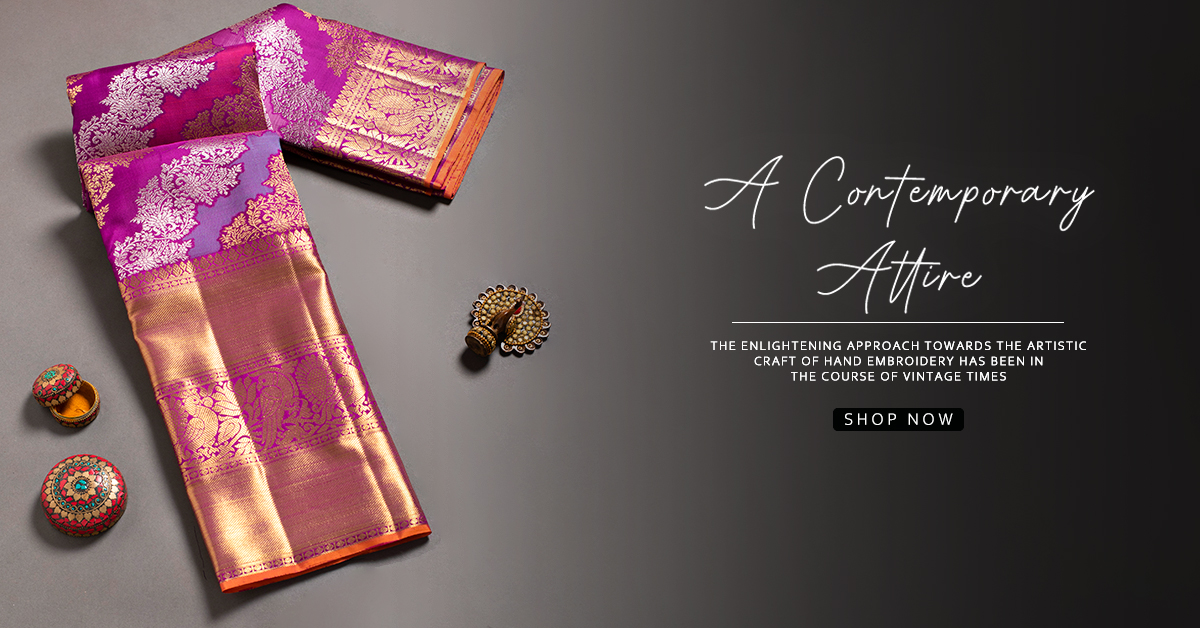
A saree is perhaps the most iconic piece of Indian attire. With its rich history and versatility, it has been a symbol of grace and femininity for centuries. A wedding saree, especially, carries emotional and cultural significance that often goes beyond fashion.

Reasons to wear a saree
- Cultural significance: Brides often choose to wear sarees because they hold a special place in various cultures. In many countries/circles, it is part of their heritage; families pass down their sarees as heirlooms over the years, and people wear sarees when attending special occasions.
- Sophisticated look – The way a saree fits will hug your entire body, creating the perfect shape for your body type. No matter if it’s a saree made from silk or one made from a lightweight material like chiffon, when worn correctly, a saree will always look classy.
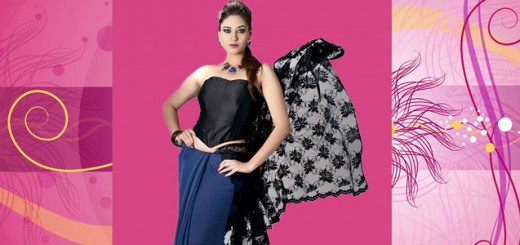
- Versatile Ways to Style Your Saree – You can experiment with how to wear a saree in many different ways. A saree can be worn with a variety of statement blouses, belts, and/or both to create an outfit that borrows elements from Western style.
- Breathability & Price – Depending on the type of material (for example: silk, cotton, georgette), a saree is going to have more air circulation than those clothing items that are heavily layered, which allows for more movement.


The Elegance of a Lehenga
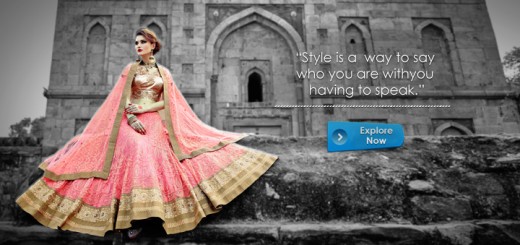
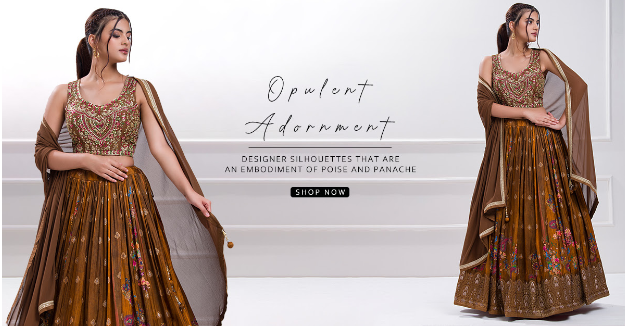
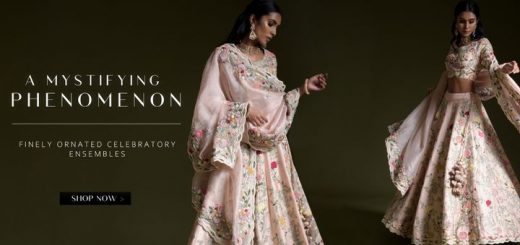
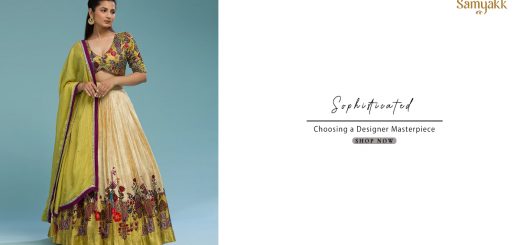
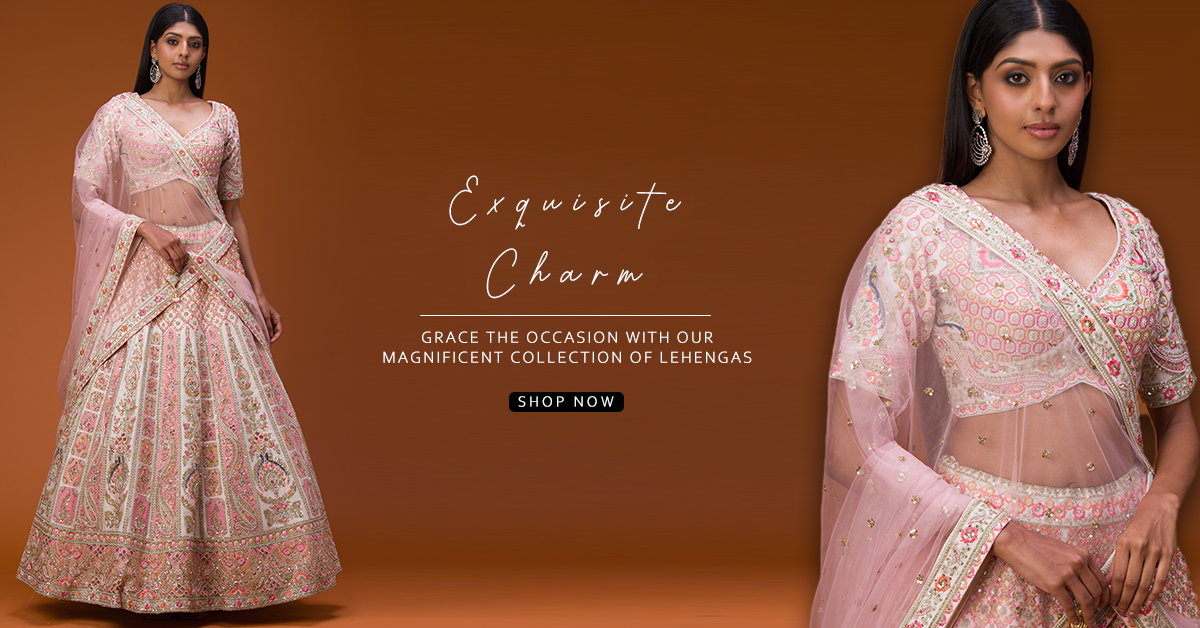
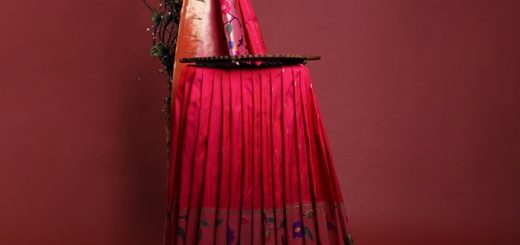
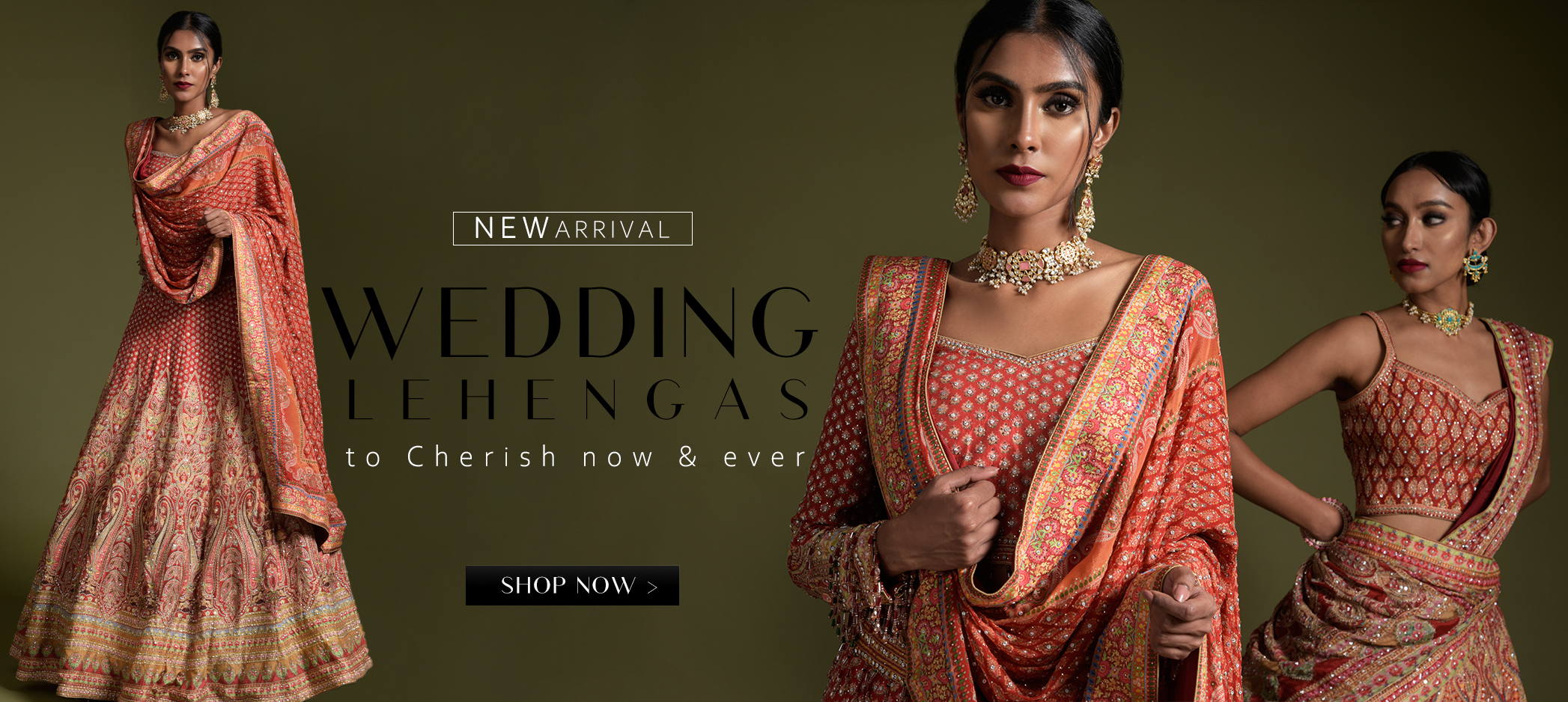
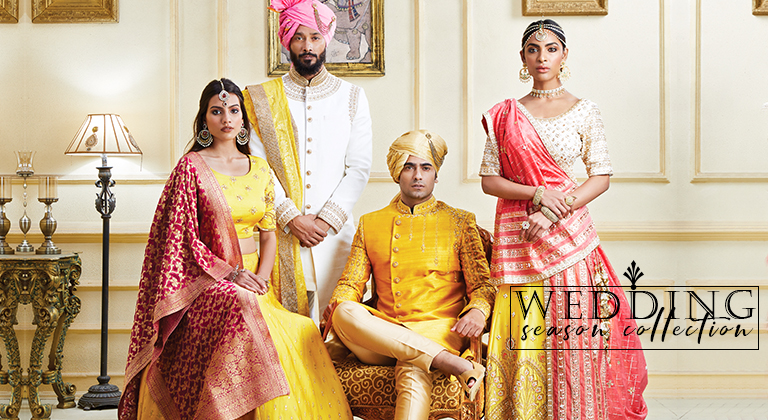
A lehenga would be perfect for any bride-to-be. A lehenga encompasses all things ‘grand’, making it synonymous with weddings. The wedding lehenga is designed with a non-restrictive skirt, embellished top, and an attached scarf, giving the overall effect of a very regal look.

Reasons for Choosing a Lehenga
The entire aesthetic of the wedding lehenga is primarily created by its extravagant look, the number of embellishments, flare, etc.; therefore, brides who want to create that dramatic bridal look would choose a lehenga as their option.
In comparison to the saree, the lehenga is much easier to wear as you will not have to worry about draping it yourself, and you generally will need to make minimal adjustments as it will remain draped in place naturally.
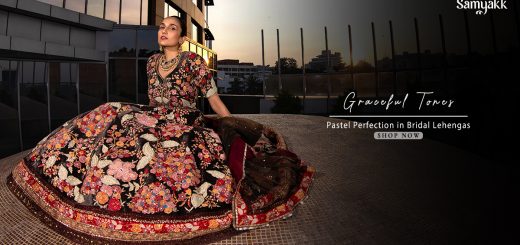
There is such a vast array of lehenga designs to choose from, from traditional reds to light pastel/modern designs; also, heavy embellished lehengas to very simplistic, contemporary-looking lehengas, meaning there will always be a lehenga available that reflects the bride’s personal taste.
If the bride has a lot of movement at the wedding (dancing, walking around, and interacting with guests), a lehenga is typically easier for the bride to move around in, as it will allow her much more freedom to move while dancing without constantly adjusting/rearranging her clothing.


Saree vs Lehenga for Wedding: Key Comparisons
Which One Should You Choose?
The choice between a wedding saree and a wedding lehenga ultimately comes down to your personal preferences and wedding context.
When comparing sarees and lehengas in terms of wedding attire, here are some things to think about:
- Comfortable: A saree can be very comfortable to wear if it’s draped correctly, whereas a lehenga is often heavier and can create fatigue over time.
- Ease of Wear: A saree can require a certain amount of skill or help getting into it, while a lehenga is much simpler to put on and take off.
- Elegant vs Dramatic: A saree’s style is much more elegant and subtle than that of the bold, dramatic look created by a lehenga.
- Movement: You may have to adjust your saree while you walk around and sit down, whereas you’ll have a much easier time moving around and dancing while wearing a lehenga.
- Traditional Significance: Sarees are an important part of many cultures across India and are often worn for regional/state weddings. Lehengas are also commonly associated with traditional North Indian weddings and most modern weddings.


Should I choose saree or lehenga?
If you appreciate tradition and cultural heritage, a saree is an excellent option for your wedding attire. There is much cultural significance in the saree from many different cultures, which creates an elegant and timeless look that has been admired through generations. A saree provides a graceful yet simple look and will allow you to project elegance without being overly ostentatious. It is a great option if your wedding will include traditional ceremonial activities where brides are typically required or preferred to wear a saree. In addition, you must be comfortable learning how to wear a saree, as it does take practice in order to feel comfortable enough with it throughout the duration of the entire ceremony.
Conversely, if you want to create a grand and flashy bridal appearance, wearing a lehenga will create a statement. A lehenga has large amounts of material and ornate designs, therefore naturally drawing attention to your bridal outfit. Lehengas can be relatively easier to wear than a saree, therefore providing you a simpler choice if you have never draped a saree before. Lehengas are the perfect option for modern/fusion style weddings, as they allow you to move freely during all of your wedding celebrations while still appearing beautiful.


Is it possible for the Best of Both Worlds?
Many brides nowadays have used both outfits at different events throughout their wedding celebrations; the most popular way would be for them to wear a saree for their wedding ceremony and then change into a lehenga for their reception; however, flipping this scenario is becoming more common as well. A recent popular trend is the lehenga-style saree. This style takes the timeless elegance of a saree and pairs it with all of the functional aspects of a lehenga. These types of sarees are all pre-draped and can be managed more easily than traditional sarees, but still have the classic look and feel of a saree.


Conclusion
The comparison between a lehenga and a saree worn for a wedding cannot be determined with absolute certainty; both garments represent the beauty of Indian culture, as well as having individual advantages that help exemplify the wedding garment. A saree may appeal more to someone who values a historical connection, elegance, and tradition; on the other hand, a lehenga is more suitable for those looking for drama and convenience, plus a modern approach to a bridal garment. The right choice for each bride is ultimately going to be a garment that makes her feel like the best version of herself when she walks down the aisle, and therefore, it is important to consider what type of garment will provide her the most confidence and comfort on her wedding day.
Frequently Asked Questions (FAQs) on Saree & Lehenga
Is a saree or lehenga an appropriate choice for traditional weddings?
Saree’s traditional role in South Indian weddings generally outweighs that of a lehenga; however, lehengas also have a place in many national ceremonial traditions across India and therefore can be viewed as traditional attire for weddings at the same level as sarees depending upon your region or community membership.
Which outfit is more comfortable to wear during extended periods associated with a wedding ceremony?
For both sarees and lehengas, the answer to this question will be dependent on the fabric of the garment, as well as on the fit. Some lightweight sarees can be quite comfortable; however, some heavier lehengas may tire you out after several hours of wear. Therefore, the lightest possible material that has a good ease of fit is required.
Also Read:-