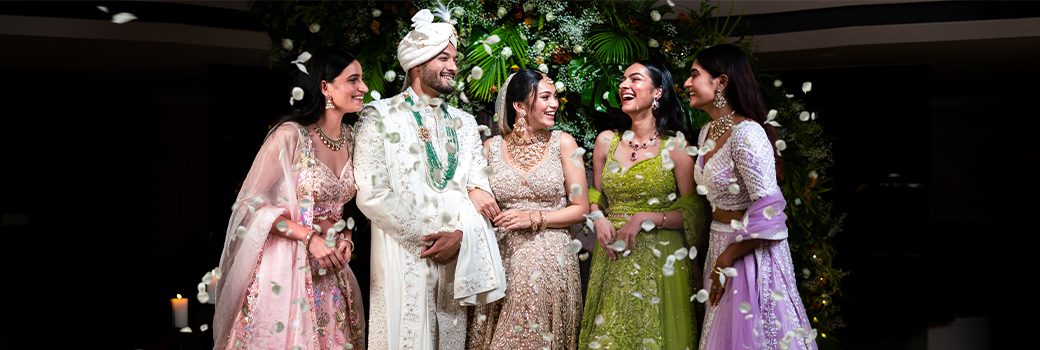
The Ultimate Guide to Groomsmen Outfits for Indian Weddings
Let’s face it: being part of the groom’s inner circle during an Indian wedding is basically a boot camp. Between managing the chaos of the baraat, keeping an eye on the groom’s shoes so they don’t get stolen during joota chupai, and somehow surviving a five-hour dance marathon on the sangeet floor, your outfit has to do some heavy lifting.

The days of just grabbing whatever random suit or dusty kurta was hiding in your wardrobe are long gone. Weddings nowadays are massive, highly curated productions, and matching or coordinating with the rest of the boys is a huge part of pulling off that cinematic look.
If you and the guys are trying to figure out what to wear without ending up looking like a synchronized dance troupe, here is a practical, down-to-earth guide to nailing your groomsmen dress for an Indian wedding without sacrificing your comfort.
The Golden Rules of Groomsmen Style

Before you go adding a dozen items to your cart, keep these simple rules in mind:
- Coordinate, Don’t Clone: Unless you’re actually performing a flash mob routine, avoid wearing identical head-to-toe outfits. It looks stiff and unnatural. Instead, pick a shared color palette or matching accessories so you look like a solid team without wearing a uniform.
- Read the Room (and the Weather): Indian weddings jump through a dozen different vibes across multiple days. A heavy velvet bandhgala that kills it at a night reception will turn you into a puddle of sweat during an outdoor afternoon mehendi. Dress for the climate and the hour.
- The “Dance Test”: Put the outfit on, squat down, and throw your arms up like you’re hitting the bhangra drop. If the seams feel like they’re about to give up or you can’t move your shoulders, put it back on the rack.
What to Wear: Breaking Down the Wedding Week
Every single event on the wedding calendar calls for a completely different mood. Here is how to pack your bags:
1. The Mehendi & Haldi: Keep it Breezy

These are usually daytime, outdoor events where things get messy (thanks to turmeric, henna, and general sun exposure).
- The Look: Lightweight cotton or linen short kurtas paired with relaxed trousers or well-fitted denim. Stick to light, breathable colors like mint green, sky blue, or lemon yellow.
- The Groomsmen Move: Have all the guys wear clean white kurtas paired with matching floral-print Nehru jackets. It instantly singles you out as part of the crew without looking over-the-top.
2. The Sangeet: Turn Up the Volume
The sangeet is all about high-octane dancing and dramatic stage lighting. You want something that catches the eye but won’t suffocate you when the room gets packed and hot.
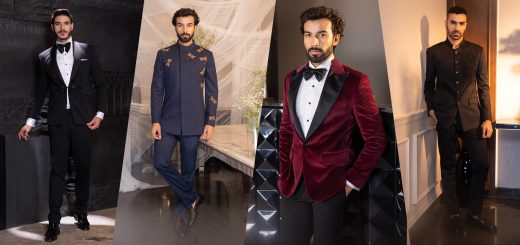
- The Look: An Indo-Western fusion piece or a structured, dark-toned bandhgala. Asymmetric kurtas or structured jackets over solid kurta sets are massive winners here.
- The Groomsmen Move: Pick a rich jewel tone like emerald green, midnight blue, or deep wine for the whole group, while leaving a contrasting ivory or champagne shade for the groom so he actually stands out in the photos.

3. The Wedding Day: Traditional & Regal

When the actual wedding rituals roll around, it’s time to step up the formality.
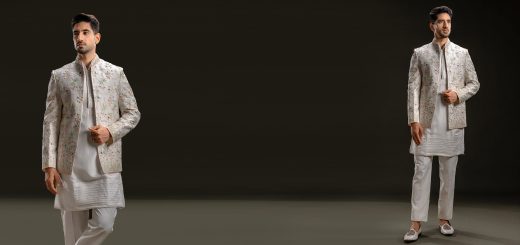
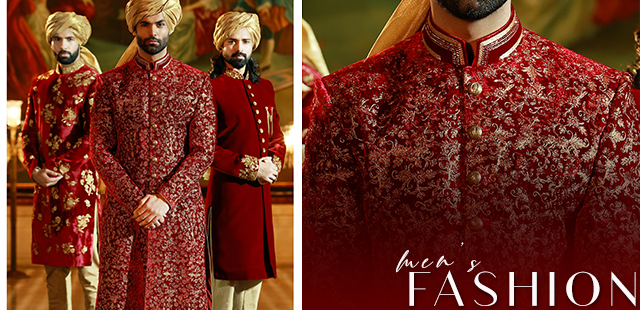
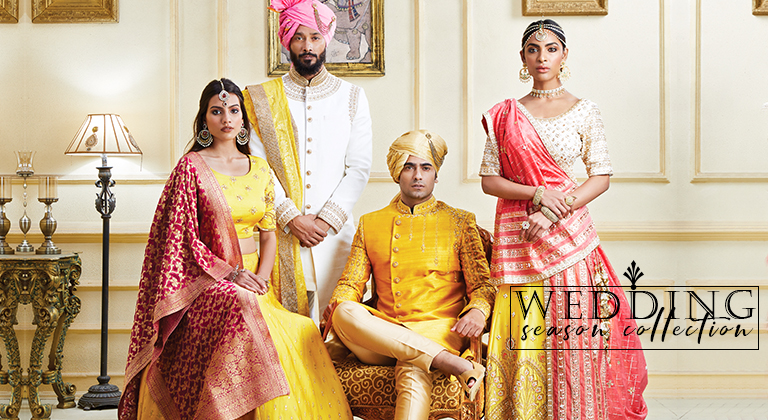
- The Look: A classic silk kurta-pajama under a sharp Nehru jacket, or a full traditional sherwani if the groom has requested a formal dress code for the whole crew.
- The Groomsmen Move: Coordinated pocket squares, stoles, or safas (turbans). If the groom is wearing a pastel pink sherwani, keep the groomsmen in clean ivory with matching pink pocket squares to tie the whole visual story together.
4. The Reception: Sharp Suiting or Sleek Indo-Western
By the time the reception arrives, everyone is exhausted, but the cameras are still rolling.
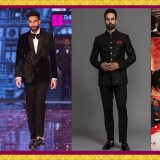
- The Look: A well-tailored Western suit (tuxedo or a sharp three-piece) or a sleek, dark bandhgala.
- The Groomsmen Move: Go monochromatic. Putting all the groomsmen in sharp navy blue suits with identical pocket squares creates an effortlessly cool, cinematic backdrop for the couple.

A Few Real World Survival Tips

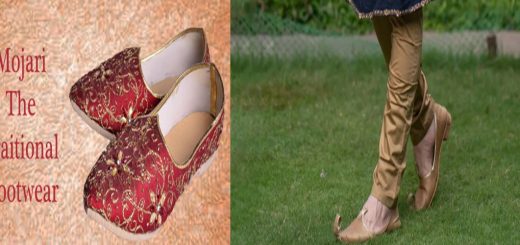
- Footwear is a Trap: You’re going to be taking your shoes on and off at the mandap, walking across lawns, and standing for hours. Invest in comfortable leather mojris, loafers, or monk straps. Break them in before the wedding, or your feet will hate you by evening.
- Tailoring Makes Cheap Clothes Look Expensive: A $50 off-the-rack kurta that has been properly tailored to your body will always look better than a $300 designer piece that hangs off you like a sack. Hit the tailor a week before.
- Accessorize as a Pack: If you couldn’t coordinate outfits, use accessories. Matching lapel pins, identical pocket squares, or matching stoles are an easy, cheap way to fake a unified look.
Frequently Asked Questions
Do all the groomsmen really need to wear the exact same thing?
Honestly? No. Having every single guy in the exact same outfit can feel a bit restrictive and costume-like. A much better approach is tonal coordination where everyone wears different styles or shades within the same color family, tied together by a shared accessory like a pocket square.
What is the best fabric for an outdoor daytime wedding event?
Stick to breathable natural fabrics like pure cotton, linen, or fine cotton-silk blends. Avoid heavy synthetics, heavy brocades, and thick velvets unless you enjoy feeling like you’re sitting in a sauna.
How do we make sure we don’t accidentally dress better than the groom?
The golden rule is communication. Find out what color and style the groom is wearing, and make sure you steer clear of it. If the groom is wearing a heavy embroidered royal blue sherwani, the groomsmen should opt for lighter shades (like ivory, beige, or soft pastels) or darker, contrasting solids so the spotlight stays firmly where it belongs.
Also Read:-