The Ultimate Guide to Ethnic Wear for Women
Tired of scrambling for the right outfit for every event? Whether it’s for a family wedding, a day at the office, or a festive celebration, ethnic wear for women can do it all. This isn’t just a trend; it’s a timeless part of fashion that lets you express your culture with modern style. This guide will show you how to build a versatile ethnic wear wardrobe that works for any occasion.
What is Ethnic Wear?
Ethnic wear is clothing rooted in the cultural dress codes of a community, styled for today. In India it includes sarees, salwar sets, kurtas, lehengas, shararas, ghararas, and fusion silhouettes. The heart of Indian Ethnic Wear lies in fabrics and finishes that carry a story, from woven borders and artisanal dyes to hand embroidery and heritage motifs. Think of it as fashion with identity.
Why Every Indian Woman’s Wardrobe Needs Ethnic Wear
Ethnic wear is an essential part of every Indian woman’s wardrobe because it blends tradition with style. From a simple kurta for daily comfort to a regal saree for celebrations, these outfits suit every occasion. They are timeless, versatile, and a beautiful way to carry culture with grace.
Types of Ethnic Wear for Women
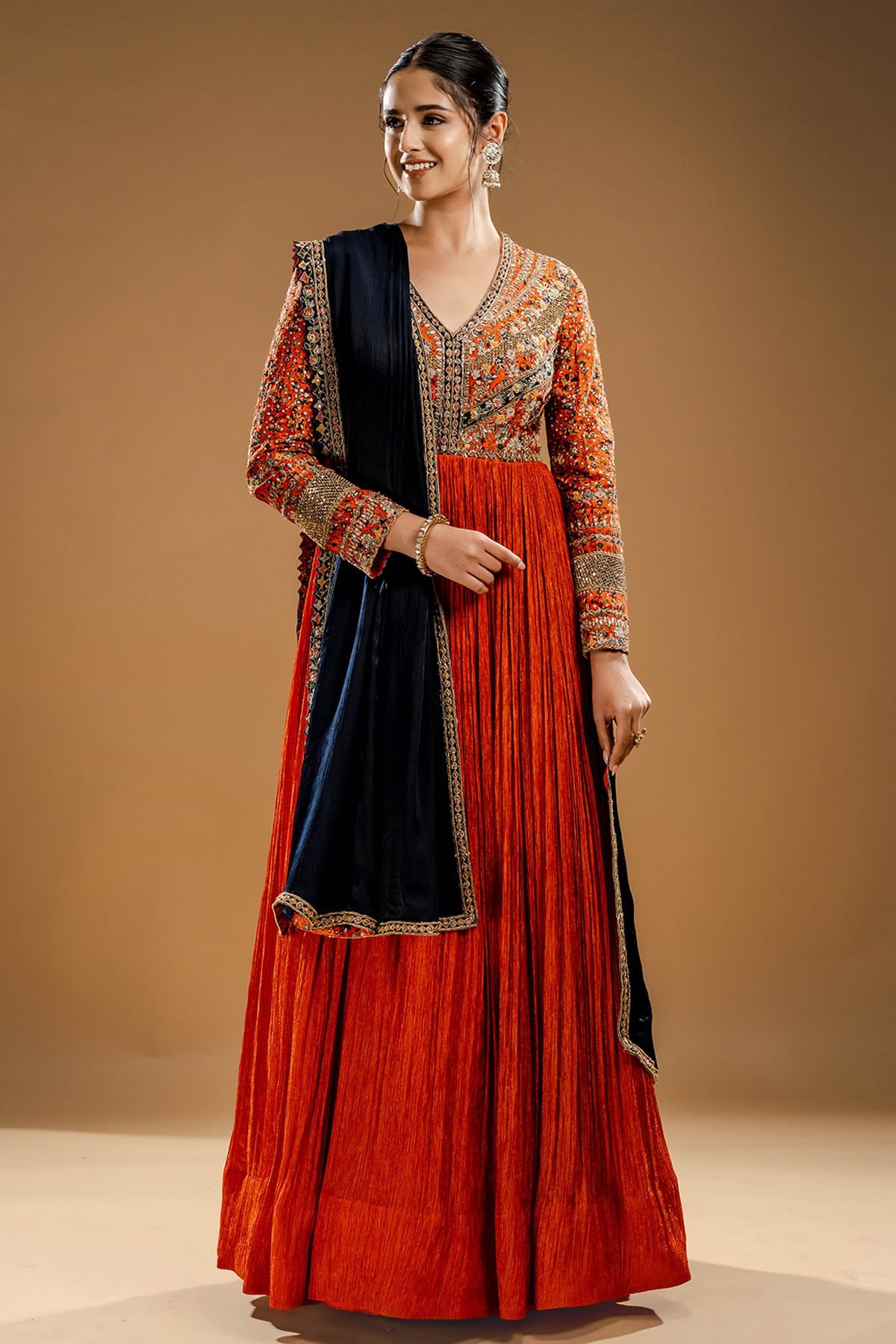
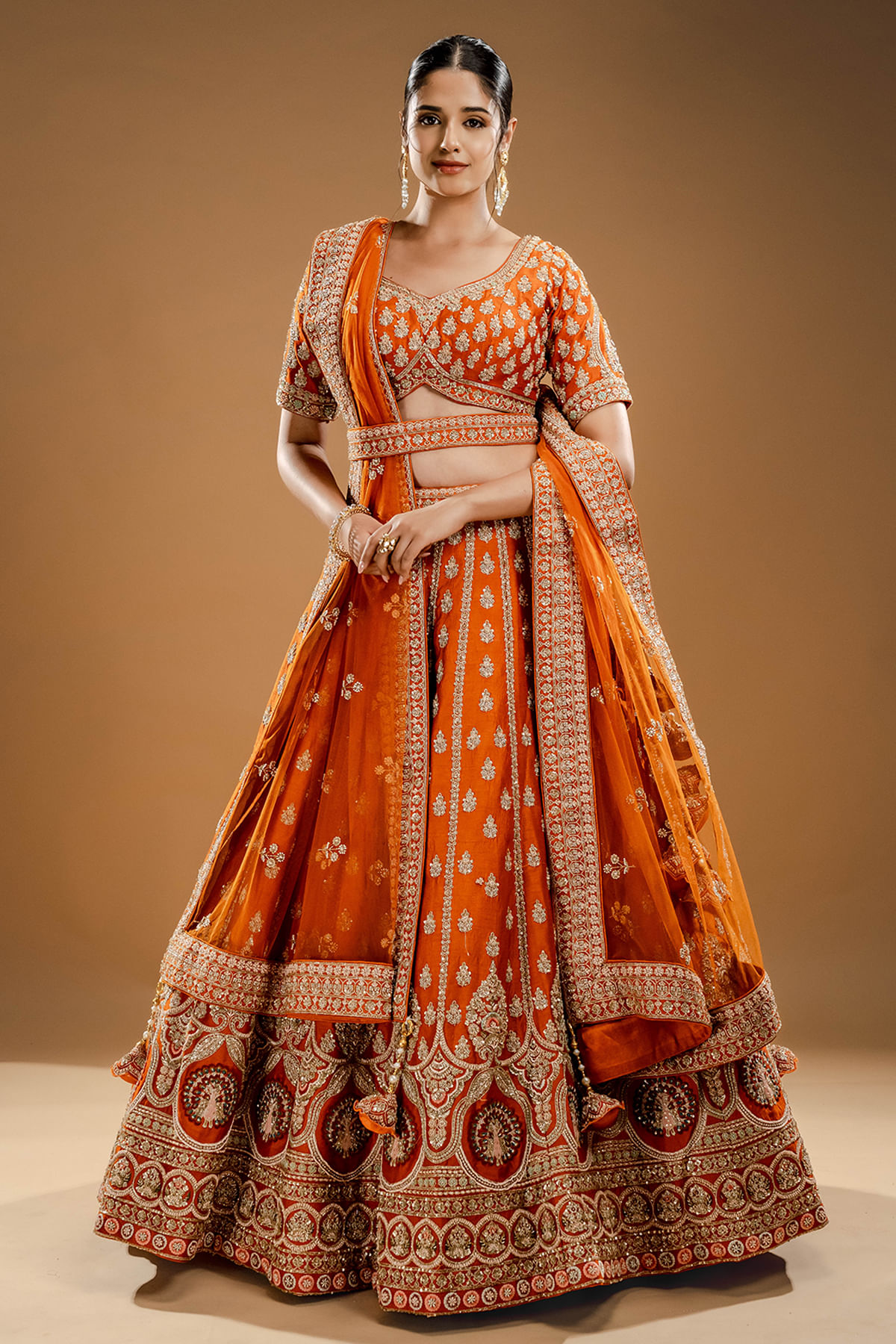
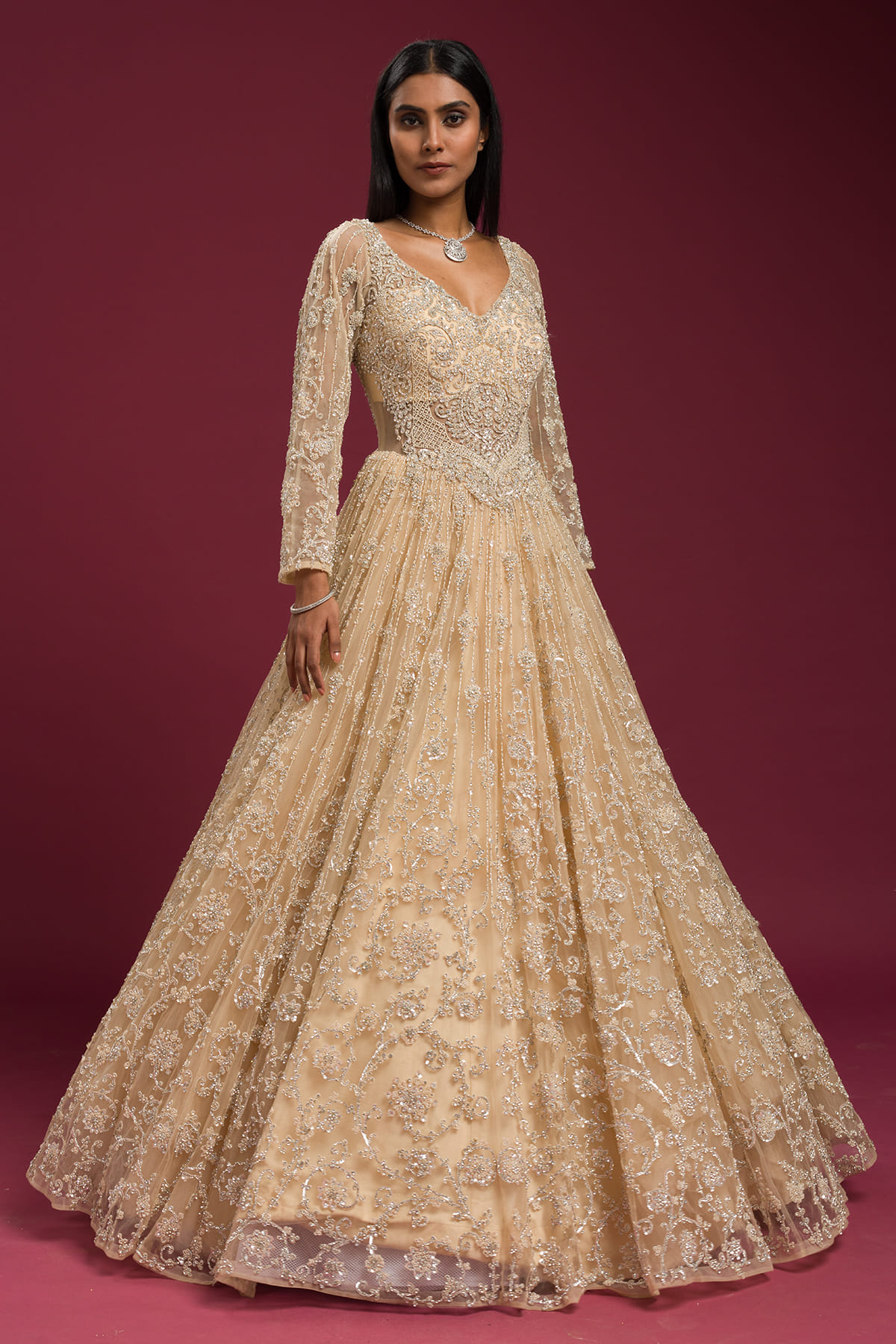
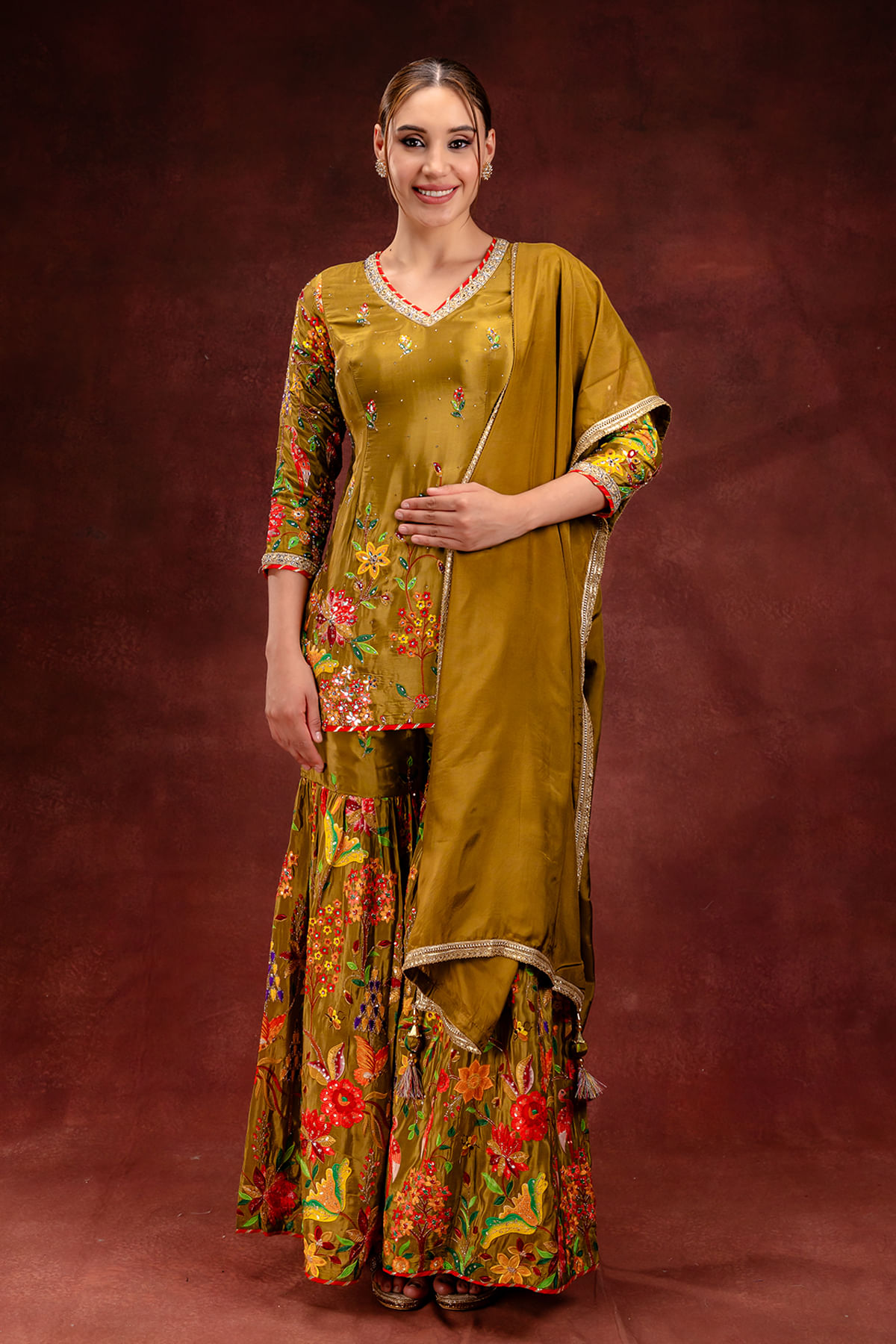
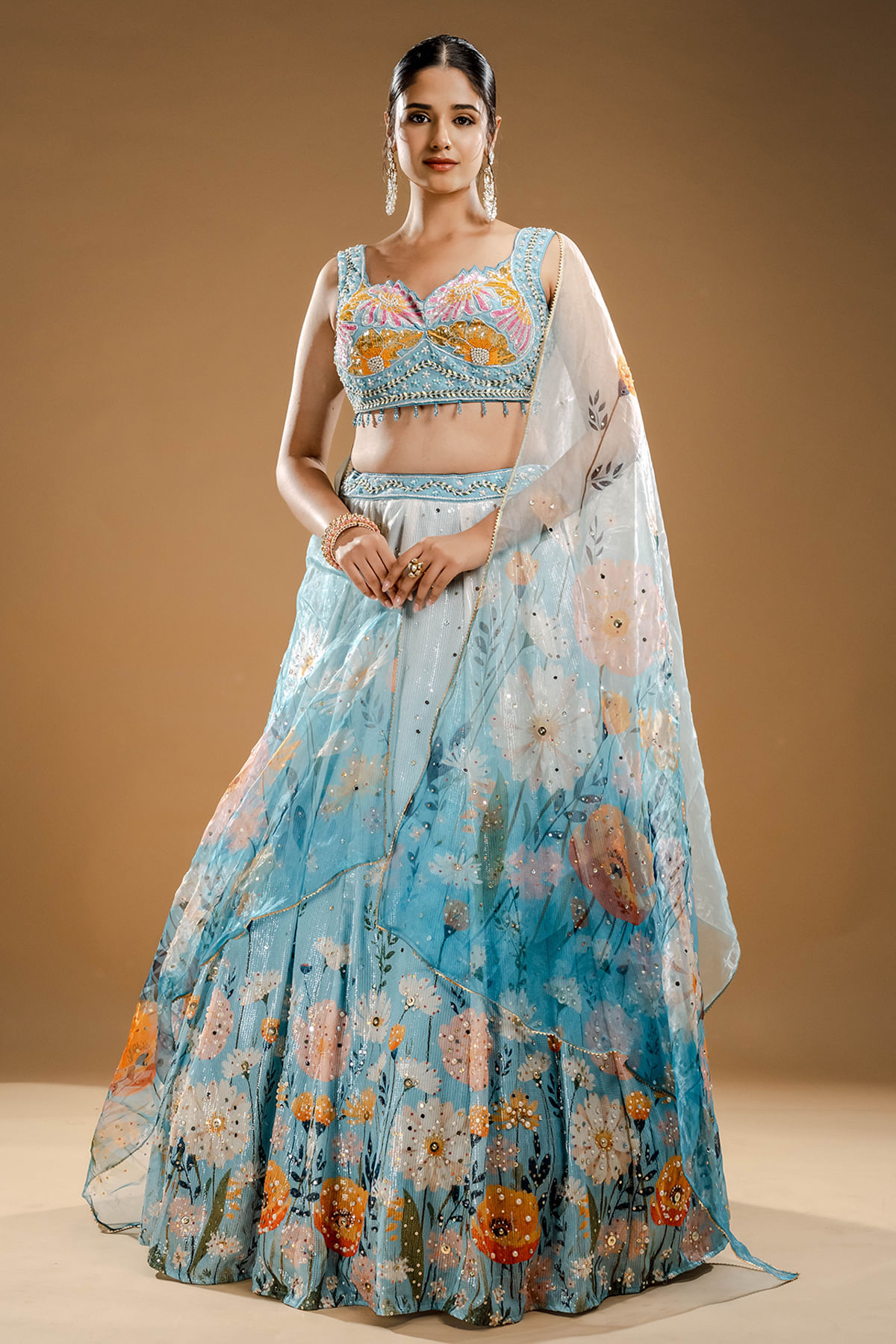
The range of Ethnic Wear Dresses for Women is broad, covering sarees, salwar suits, lehengas, kurtis, shararas, anarkalis, and fusion gowns. Use this quick map to plan a capsule wardrobe that balances elegance with everyday practicality.
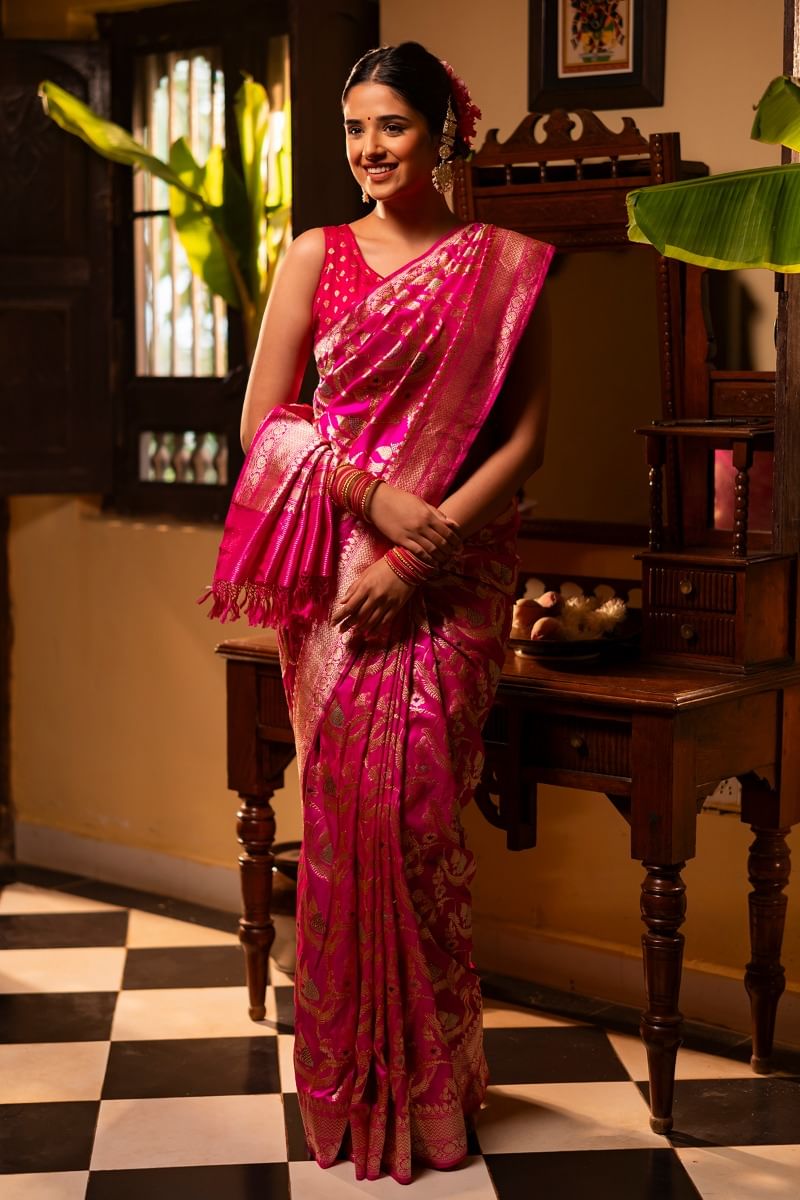
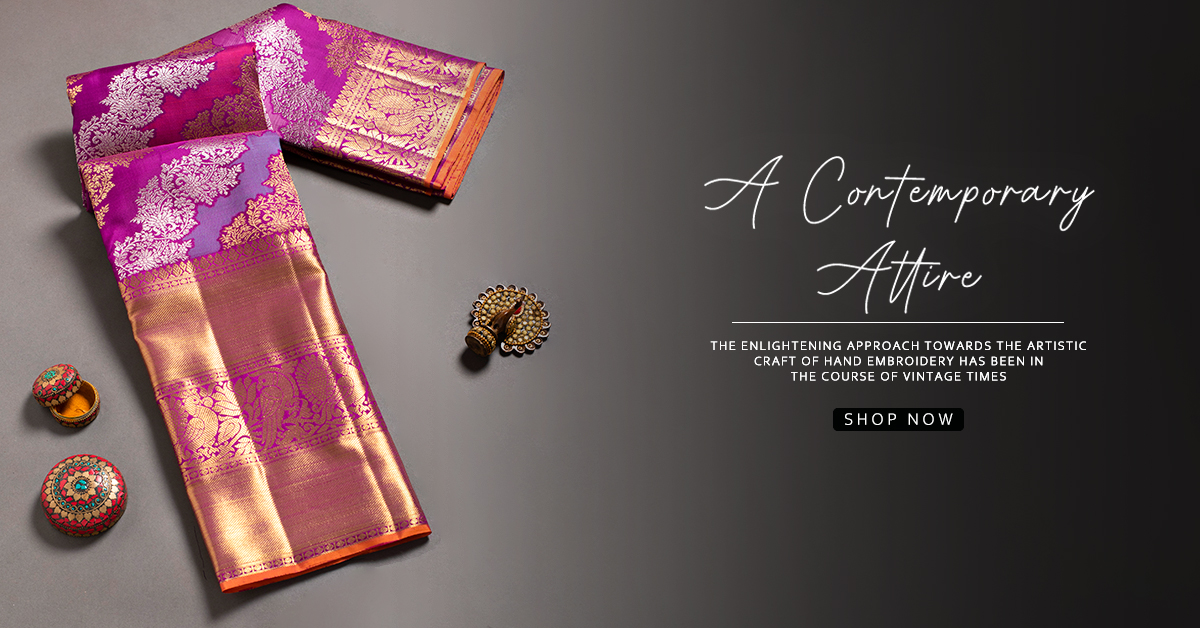
Saree
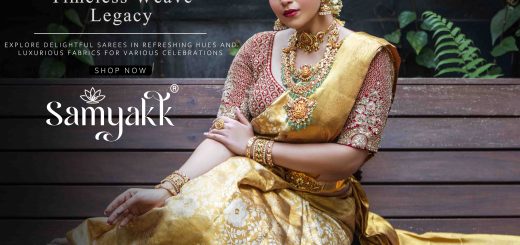
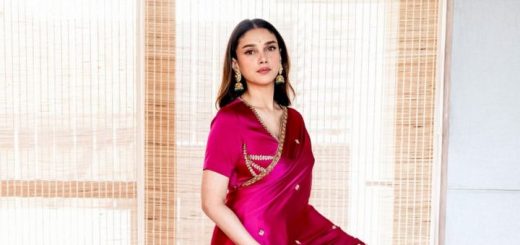
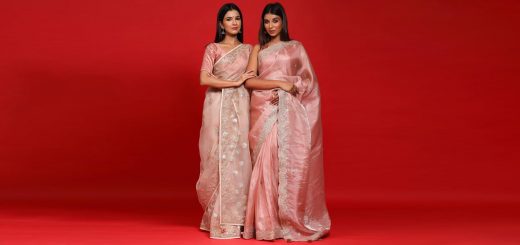
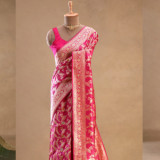
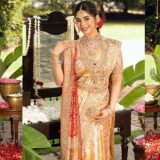
Classic six yard, nine yard, pre-stitched, or ready-to-drape. Fabrics range from airy cottons to rich silks and flowy georgettes. Blouses can be minimal or statement heavy.
Salwar suit sets
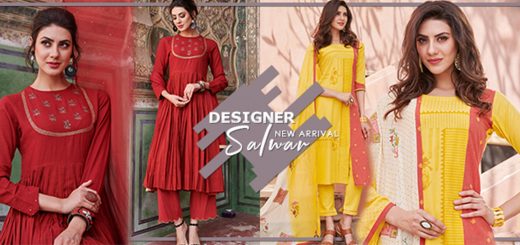
Kameez with salwar, churidar, cigarette pants, or palazzos, usually with a dupatta. Ideal from office to festive with small accessory switches.
Anarkali and angrakha
Flared, floor-sweeping or calf length. Works for celebrations, mehendi, or sangeet nights.
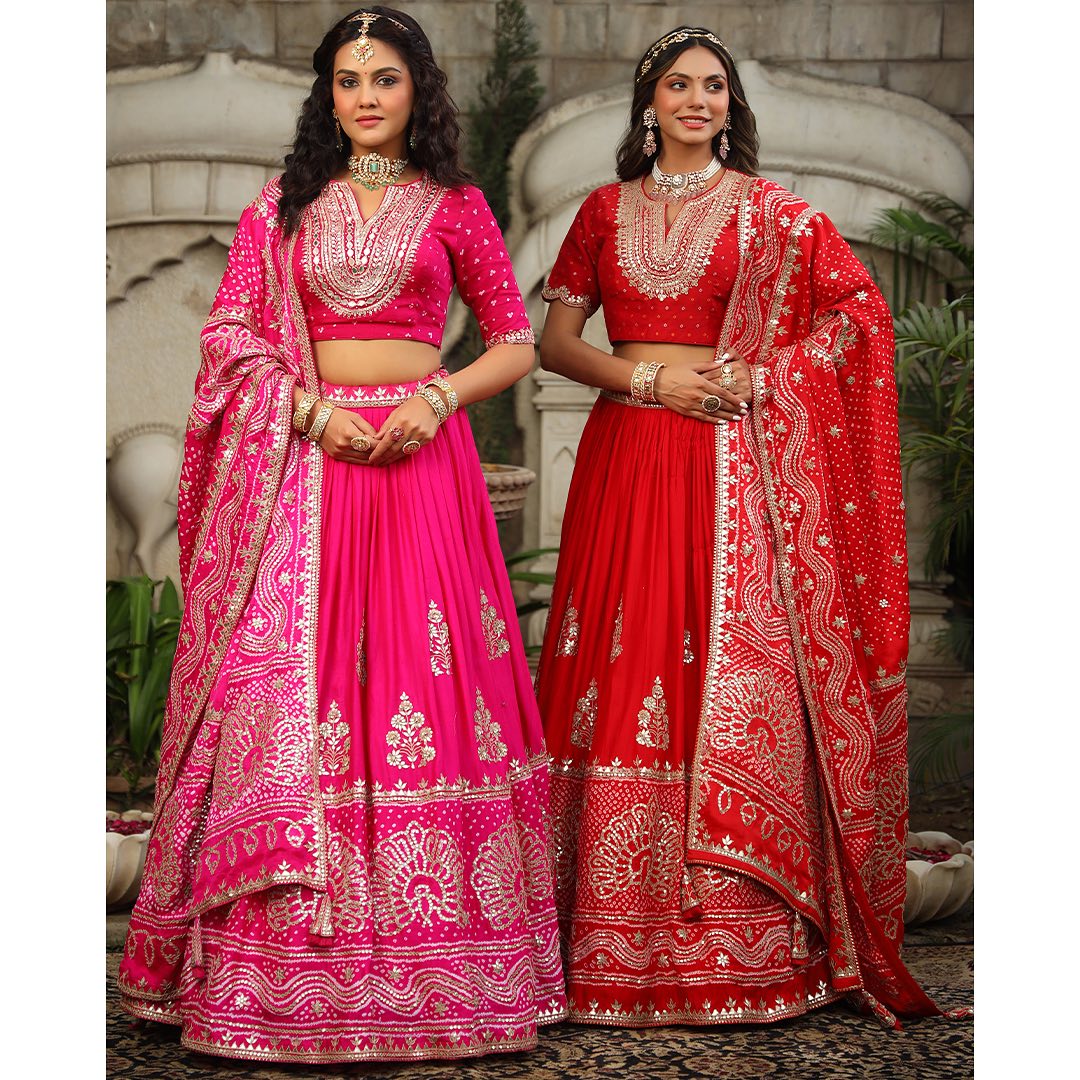
Lehenga choli
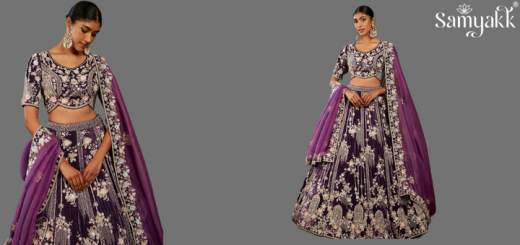
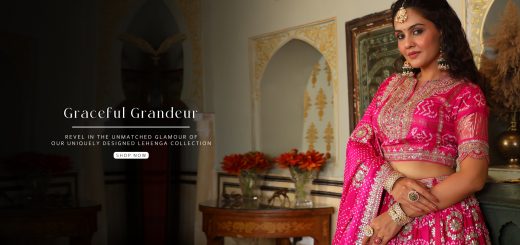
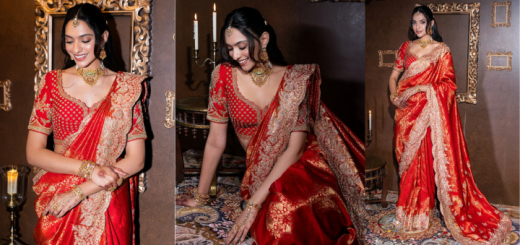
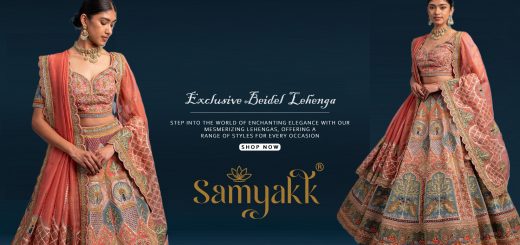
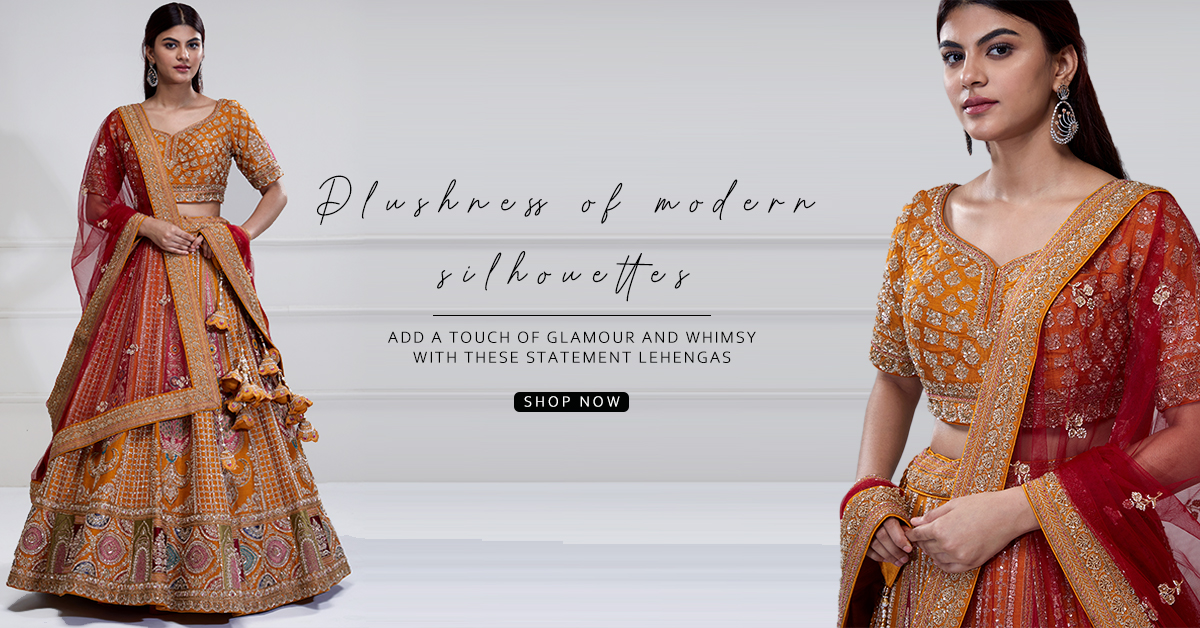
Skirt with blouse and dupatta. Choose light embroidered daywear or embellished occasionwear.
Sharara and gharara sets
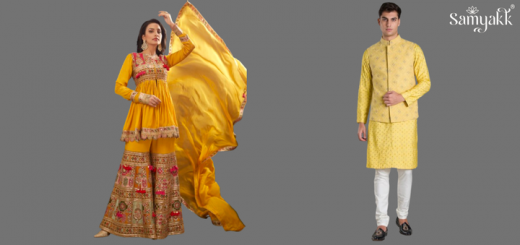
Wide flared bottoms with short or mid-length kurti, great for dance-friendly events.
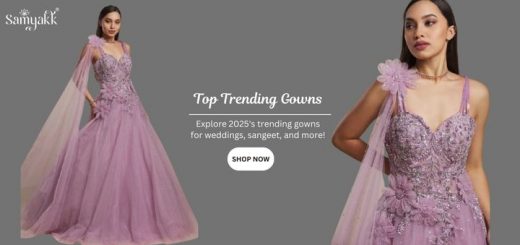
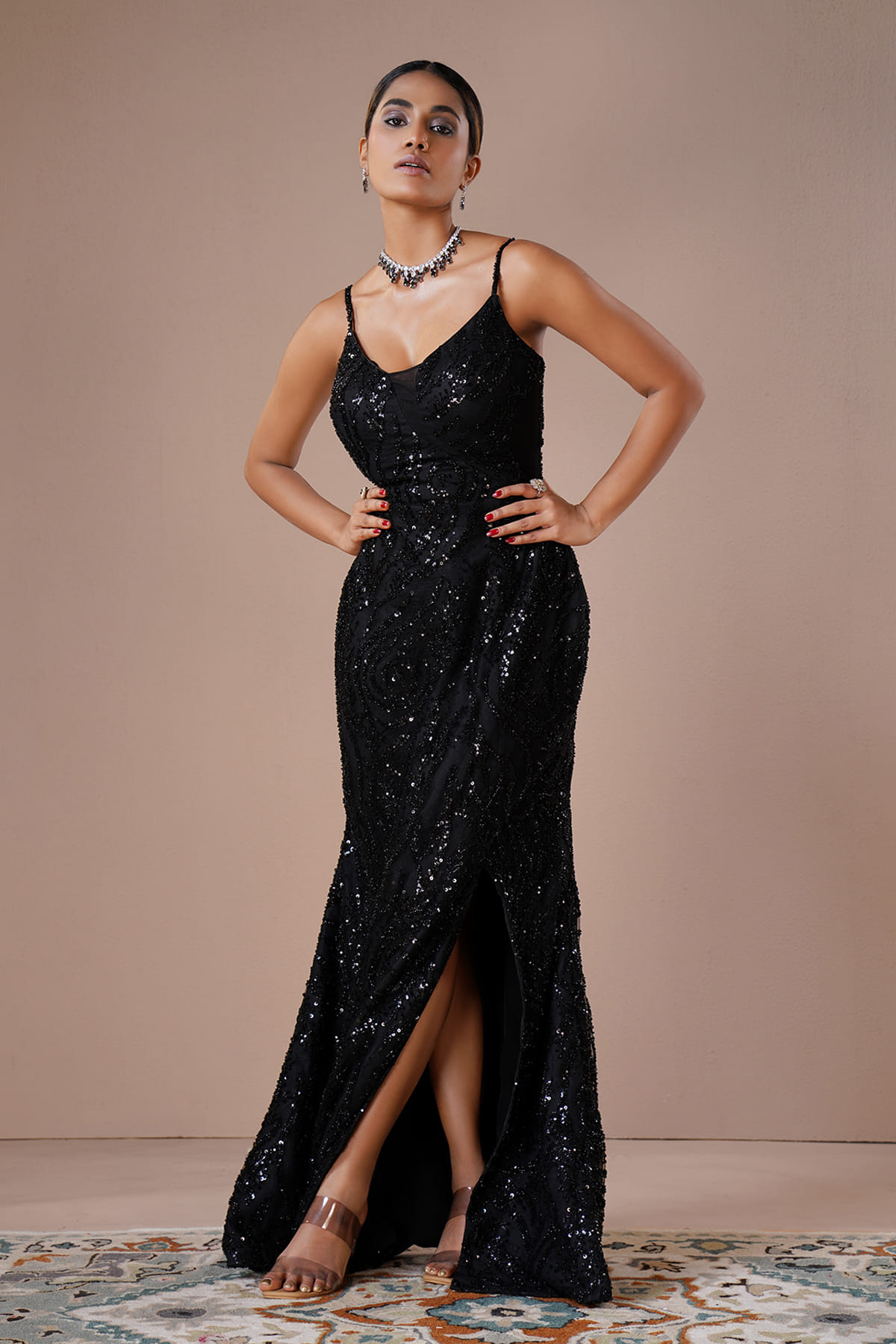
Ethnic gowns and maxi sets
One-and-done outfits that feel contemporary but read as Ethnic Wear with traditional textiles or motifs.
Co-ords and jacket sets
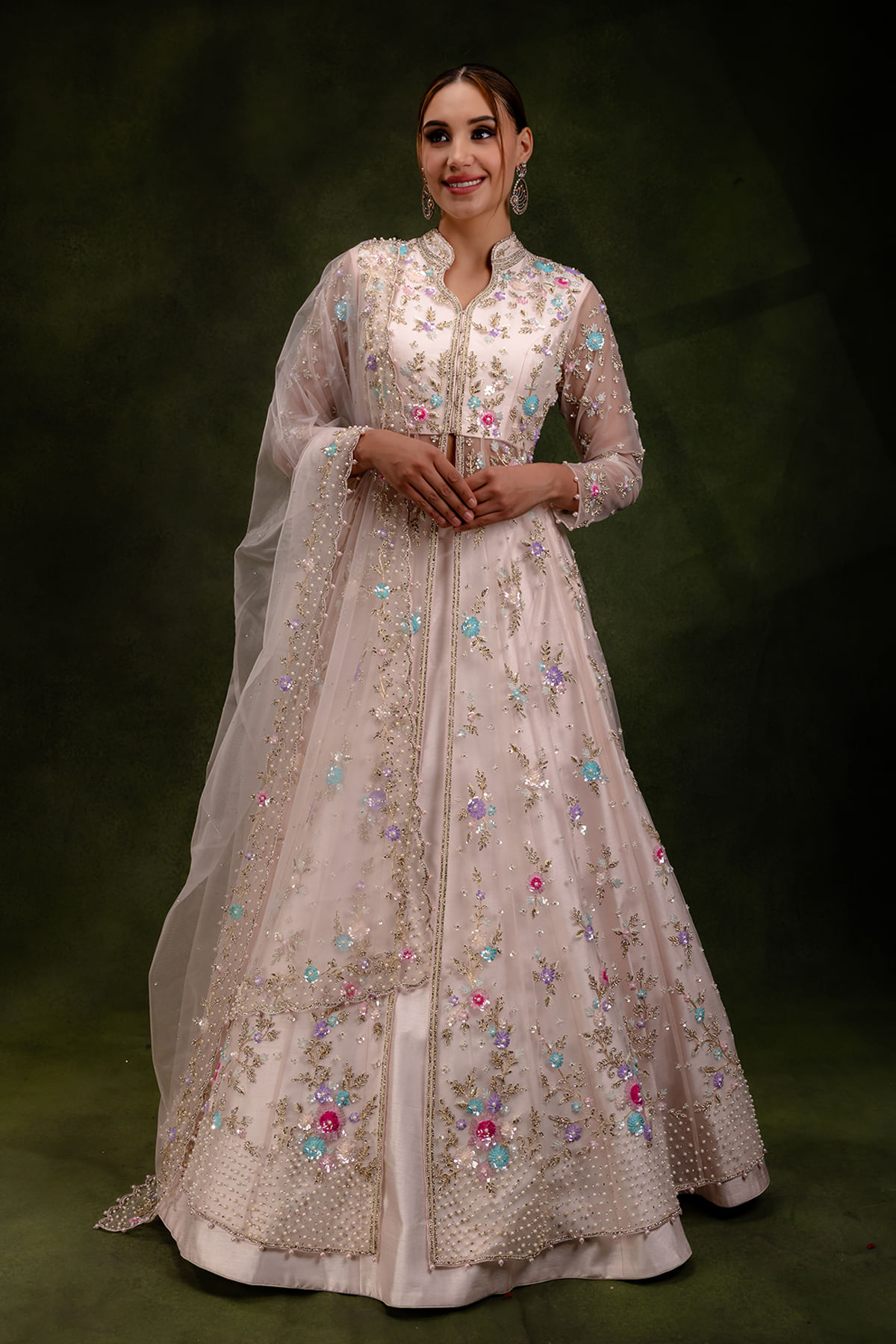
Kurta-coord pairs or bustier with overlay jacket for an Indo-western vibe.
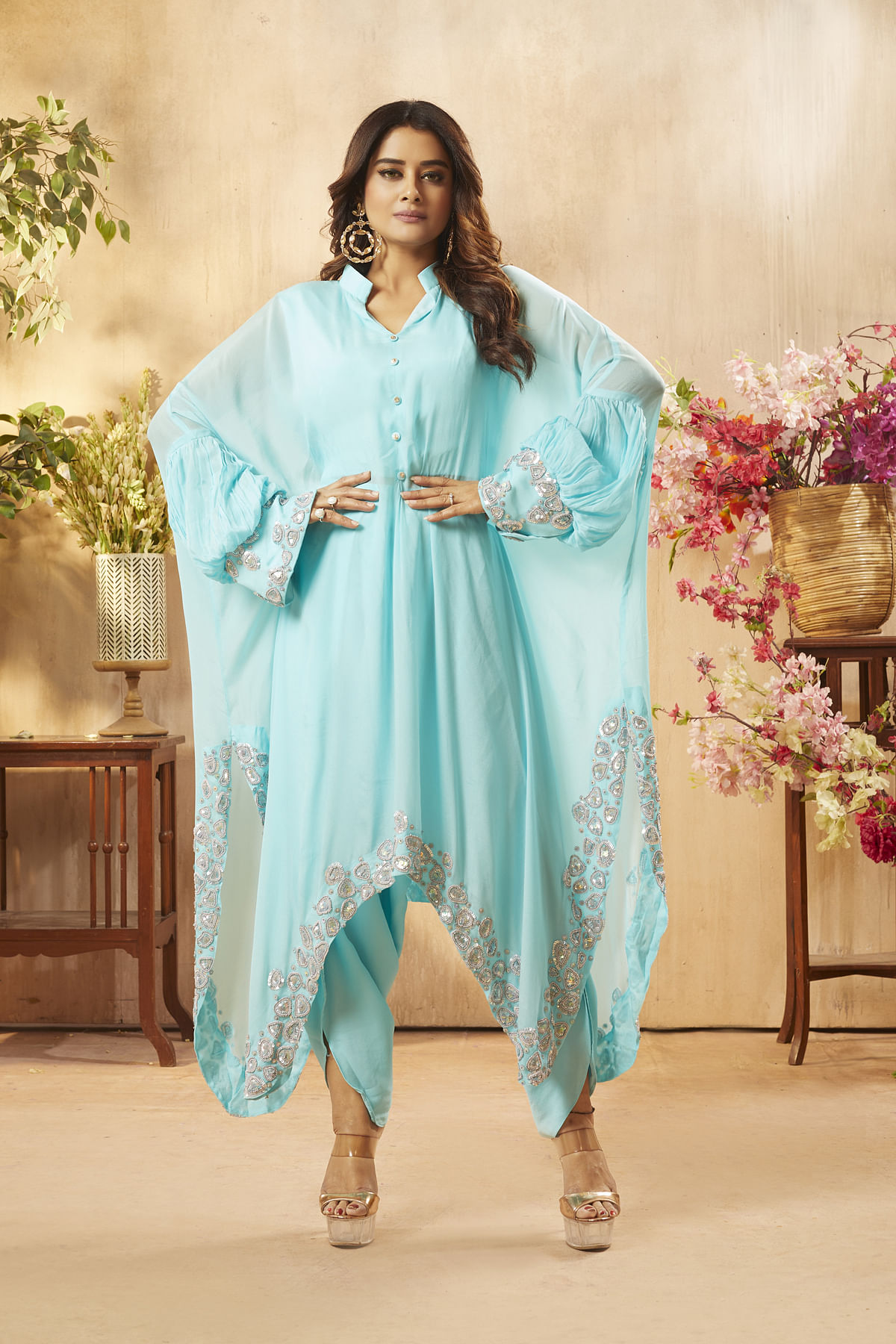
Kaftans and capes
Resort friendly, size inclusive, and flattering for all ages.
Dupattas and stoles
The quickest way to upgrade basics. Brocade, chiffon, organza, or bandhani add instant polish.
Cultural Threads: Weaving Identity Through Ethnic Attire
Indian ethnic wear is more than fashion, it is a reflection of heritage. Every weave, motif, and embroidery tells the story of culture and artistry. By wearing these outfits, women celebrate their roots while embracing modern style with pride.
Latest Ethnic Wear Trends for Women
Ethnic Wear for Women keeps evolving with styles that are comfortable, versatile, and modern while staying rooted in heritage. Here are the key fashion updates that feel current and wearable for today’s lifestyle.
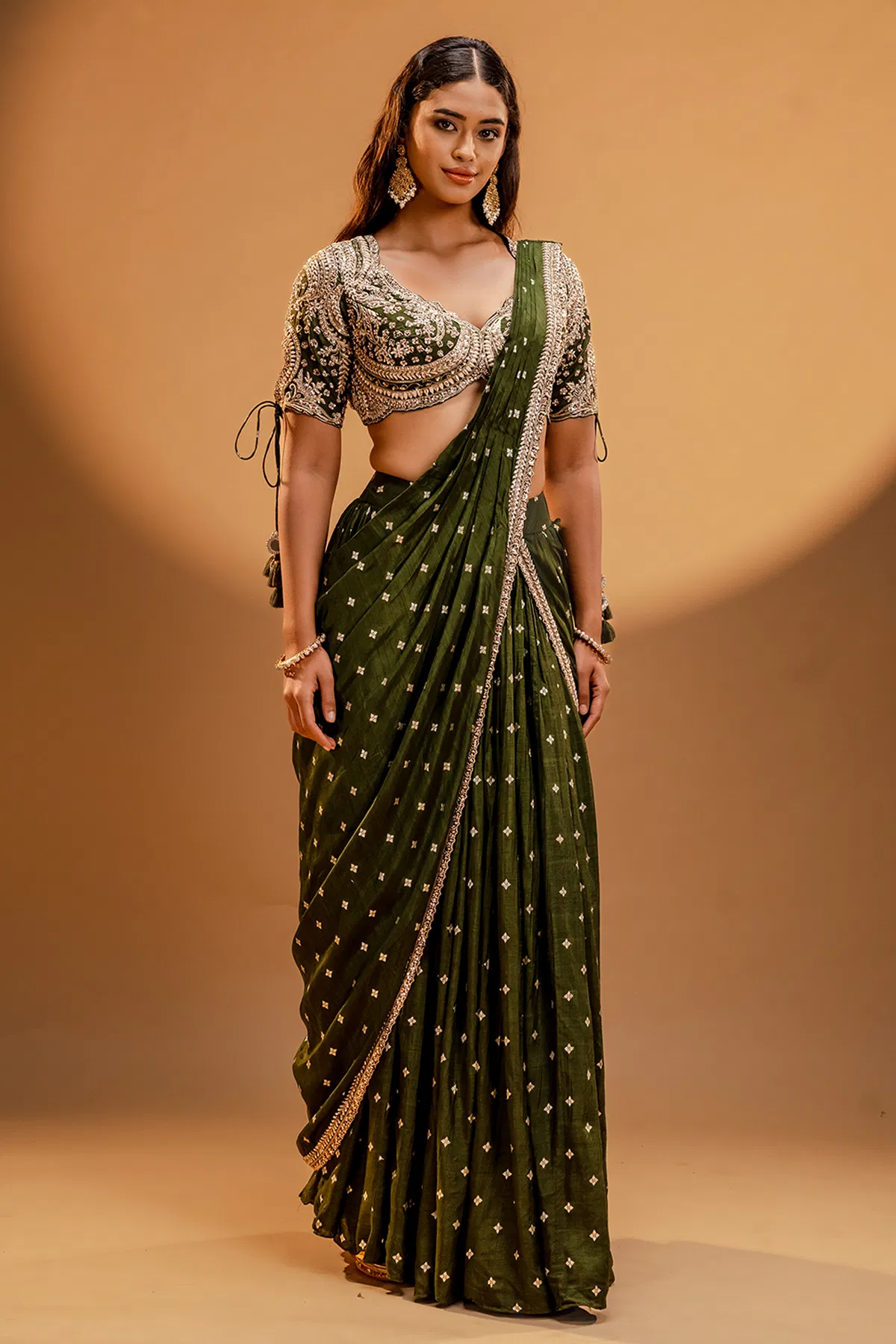
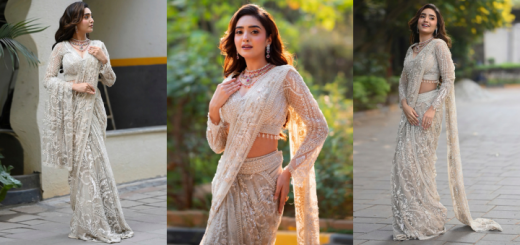
Ready-to-drape sarees
Pre-pleated or pre-pinned options that save time without losing the look.
Blouse as hero
Statement sleeves, structured necklines, or back ties that let a simple saree shine.
Minimal sparkle
Clean silhouettes with one highlight panel, like a sequinned dupatta over a plain suit.
Pastels and jewel tones
Powder pink, pistachio, and ice blue for day. Emerald, wine, and sapphire for night.
Monochrome co-ords
Same shade top and bottom with texture play for lengthening effect.
Handcrafted accents
Kantha-like stitches, thread tassels, block-printed borders, or bead edging that add subtle craft without weight.
Comfort-first bottoms
Palazzos, straight pants, and elasticated skirts that move with you.
Sheer layers
Organza capes, net dupattas, and georgette jackets that add depth without bulk.
Are ethnic and traditional wear the same, or is there a difference?
They overlap, yet they are not identical.
- Traditional wear follows time-honored rules used in rituals or region-specific customs.
- Ethnic wear includes traditional garments plus their modern interpretations.
A handloom saree worn with a conventional temple jewelry set is traditional. The same saree with a contemporary blouse and belt becomes ethnic styled for today. Both honor culture. One follows classic codes, the other experiments.
From Every Day to Events: Styling Your Ethnic Wear
Style smarter with these quick switches and formulas.
Everyday formulas
- Cotton kurta + straight pants + Kolhapuris + light studs
- Printed co-ord + flat mules + tote bag
- Ready-to-drape saree + compact blouse + minimal chain
Workday polish
- Solid kurta set + linen blend dupatta over one shoulder
- Pinstripe or micro-check bottom with plain kurta to echo office codes
- Keep jewelry small, carry a structured bag, choose closed-toe flats
Festive and family functions
- Anarkali or sharara set + statement earrings + embroidered potli
- Saree with contrast blouse + stacked bangles + soft waves
- Lehenga with breathable lining + comfortable heels for long events
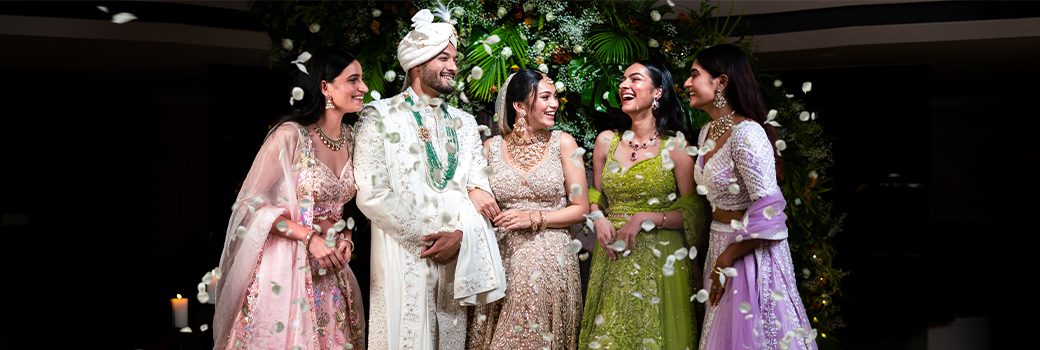
Wedding guest looks
- Jewel tone lehenga skirt + silk blouse + organza dupatta
- Handloom saree + modern blouse cut + waist belt for shape
- Co-ord set with long jacket + chandbalis for sangeet-ready ease
Body-friendly pointers
- Want height illusion
Choose vertical motifs, narrow borders, high-waist skirts. - Want waist definition
Use slim belts on Anarkalis or peplum blouses with lehengas. - Want sleeve coverage
Try cape sleeves, layered jackets, or elbow-length blouses. - Curvy and proud
Bias-cut skirts, V necklines, and fluid fabrics create balanced movement.
Fabric and climate guide
- Hot and humid
Cotton, cotton-silk, mul, tissue-light georgette. - Mild to cool
Silk blends, velvet trims, layered jackets, heavier dupattas.
Accessory dial
- If your outfit is ornate, keep jewelry minimal.
- If your outfit is plain, let earrings or a bold dupatta lead.
- Metallic clutch works as a neutral with most palettes.
Footwear pairing
- Flats for shararas and palazzos.
- Block heels for sarees and lehengas.
- Juttis for long days when you still want dressy.
Care and storage
- Steam instead of frequent ironing.
- Store silks in breathable covers.
- Air outfits after wear to preserve embroidery and dye.
- Mend beads and hooks early so the piece stays event-ready.
Quick Buyer’s Checklist
- Does the fabric work for your weather and event length
- Can you sit, walk, and dance comfortably
- Do you already own a dupatta or blouse that can style it three ways
- Is the piece easy to maintain at home or does it need frequent dry cleaning
- Can you mix it with western basics to extend usage
Conclusion
Ethnic Wear belongs in every modern closet because it respects culture and meets real life needs. Build a small capsule, learn two or three styling switches, and you will be set for workdays, festivals, and weddings with ease. If you want one trusted destination to explore fresh Ethnic Wear Dresses for Women while keeping quality in focus, visit Samyakk.
Frequently Asked Questions (FAQs)
Q1. Are ethnic wear and traditional wear the same?
Not exactly. Traditional wear usually follows customs and rituals specific to a region, while Ethnic Wear also includes updated, modern variations of those garments. A silk saree at a temple ceremony is traditional, but the same saree with a stylish blouse design becomes ethnic in a contemporary sense.
Q2. Is ethnic wear only for festivals and weddings?
Not at all. While heavily embroidered outfits are perfect for celebrations, lighter styles like cotton kurtis and simple sarees are great for everyday wear too.
Q3. What are the most popular types of ethnic wear for women?
Some of the most loved options are sarees, salwar suits, lehengas, anarkalis, shararas, and ethnic gowns. Each of these outfits brings its own charm and is suited for different occasions, whether it’s a casual day out, a festive celebration, or a grand wedding.
Also Read:-
The Ultimate Wedding Sherwani Style Guide for the Modern Groom