Preserving Legacy: Essential Care Tips for Banarasi & Kanchipuram Silk Sarees
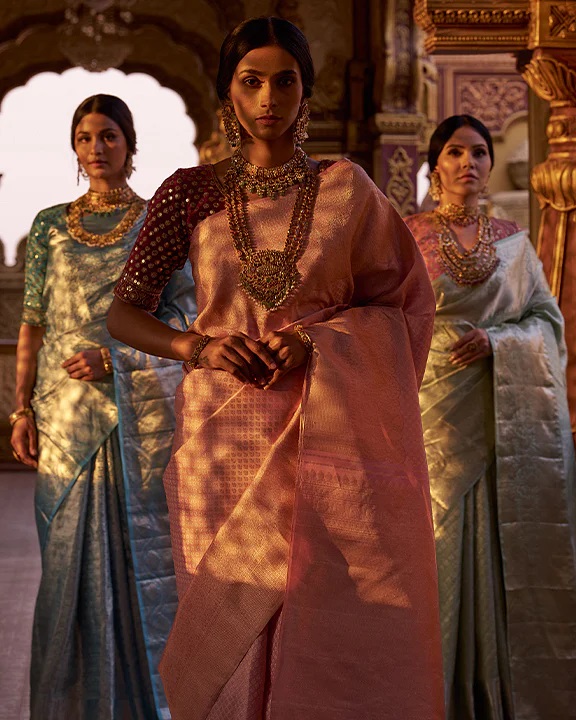
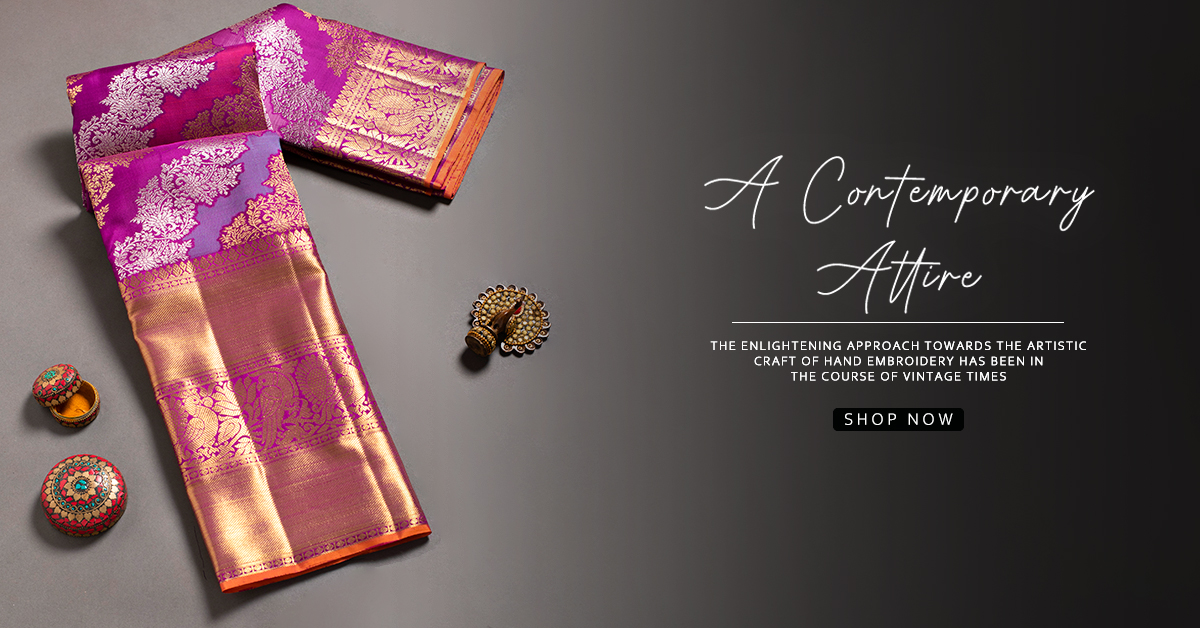
Talk about handloom six-yard sarees, and what pops up are a few legacies like Banarasi and Kanchipuram sarees. The use of pure silk, authentic gold and silver zari, Mughal-inspired motifs, and temple border designs on Kanjivaram sarees makes them precious, valuable, and authentic luxury silk sarees. The royal and intricate nature of these sarees, along with their rich history and cultural significance, makes them heirlooms passed down through generations. These sarees also feature a delicate and pure silk texture, fine fibres, and intricate zari embellishments that need to be taken care of. Samyakk delves into the reasons why special care is needed for these sarees and how you can retain the allure of the sarees.
Why Banarasi and Kanchipuram Sarees Need Special Care and Treatment
1. Silk Crafted Sarees
Silk is not just a fabric or fibre, but the pinnacle of Indian ethnic textile, tradition, culture, and shine. Meticulous craftsmanship looks beautiful on the silk texture of Banarasi and Kanjivaram sarees. Silk also has bridal and sacred significance. Since silk has heirloom and sentimental value, the genuine silk sarees need special care.


2. Gold and Silver Zari Work
The splendour and opulent aesthetic of pure Banarasi and Kanchivaram sarees are mainly because of the metallic fibres used to craft the sarees. Metallic gold or silver threads add purity and elegance. These threads in the form of buttis, embroidery work, or floral motifs look visually appealing and stand out against the silk Banarasi and silk Kanchipuram sarees. The century-old weaving technique of metallic thread work needs to be preserved so that the sarees can be passed down to generations. Pure zari should be saved from tarnishing or turning black due to moisture or excessive sunlight.


3. Elaborate Craftsmanship
The sensitivity of the sarees in the form of intricate craftsmanship also leads to the high cost of the Banarasi and Kanchipuram sarees. No wonder the luxury item containing intricate work and weave must be preserved for future events, gifting, and passing on to generations. For example, brocade weave, nakashi work, kadhua buttis, Mughal-inspired motifs, jaal work, or exquisite hand-made patterns not only add beauty to the sarees but make them a living history and iconic symbol. They are ancient legacies that must be preserved and taken care of.


4. Woven and Weighted Sarees
Banarasi and Kanchivaram silk saree care is important as they are structured heavy-weighted sarees. Kanchipuram is crafted with pure thick mulberry silk and enhanced with elaborate designs of gold-plated zari. This craft and technique increase the weight and cost of the sarees. Similarly, traditional Banarasi saree maintenance matters as they are quite heavy, but the Banarasi saree weight can still be lighter. However, details like katan, jangla work, dense brocade, and all-over floral jaal work make the Banarasi sarees rich, royal, and weighty. Again, these characteristics or features mean the sarees are heirlooms and must be preserved for generations.


5. Hallmark and Symbolic Motifs
Banarasi sarees that have their origin in Banaras (Varanasi) have Mughal and Persian-art-inspired motifs. Jaal, animal motifs like peacock, elephants, kalga, and bel are popular for traditional aesthetics and add to the traditionality and royalty. Similarly, Kanchipuram sarees feature popular gopuram or temple motifs, mango buttis, and patterns like rudrakasham, which also symbolize prosperity for marital bliss and new beginnings. So, these are not just decorative elements but symbolize history, tradition, legacy, spirituality, and royalty. Such a narrative form of art needs to be preserved.


6. Artisanal Skills
Labour-intensive processes, time-consuming weaving, crafting sarees with high-quality mulberry silk, using korvai technique for Kanchipuram, complex punch card methods used for Banarasi sarees, Kadwa, and jangla work to create Banarasi silk sarees take days, weeks, and even months to complete the sarees. The manual-weaving, delicate dyeing, and weaving require expertise from skilled craftsmen. These come as inter-generational skills, and they must hold equal importance, value, and respect as much as the sarees. The overall skill represents the heritage that must be stored for generations.


How to Care for Your Kanchipuram and Banarasi Silk Sarees
The Kanchipuram and Banarasi silk saree care tips are essential as they need to last for generations. Proper care, storage, and maintenance are essential to preserve your valued, expensive, and iconic Banarasi and Kanchivaram silk sarees.
-
Dry Cleaning
You would not want to lose the sheen and lustre of your most prized possession, the pure silk sarees. Therefore, dry cleaning is essential for heavy wedding silk sarees such as Banarasi and Kanchipuram. You can ideally give the sarees for dry cleaning after wearing them approximately 4 to 5 times. Dry cleaning is also good for stain management. Professional service can increase longevity.


-
Hand Washing
Opt for hand washing only if necessary; otherwise, dry cleaning is recommended. A washing machine is not recommended if you are washing at home. So, to avoid twisting the fabric, wash it with your hands using cold water and gentle detergents. You may even use baby shampoo available at home or a store. The light hand wash in normal water can prevent the zari of the sarees from getting damaged. Also, take care not to soak a pure Banarasi or Kanchipuram saree for long.


-
Drying
For drying the saree, avoid direct sunlight as the sunlight can fade the vibrant and bright colours of silk sarees. Direct sunlight can also lead to delicate fabric weakening. Putting the saree to dry through the ‘inside out’ technique can further protect the golden or silver thread work from turning black. Mechanical dryers or trying to dry the saree with excessive heat can also destroy the fine fabrics.


-
Hanging
Hanging Banarasi and Kanchipuram sarees is a common mistake, as it causes the fabric to warp. The Banarasi and Kanchipuram sarees are heavy and weighted, and hanging can ruin the shape. Also, avoid using metal or iron hangers to prevent sarees and zari embroidery from getting rusted.


-
Fold and Store
It is suggested to fold and store the silk saree in a breathable cotton or muslin bag. This is a good and essential tip for fabric breathability. Avoid plastic bags for storing these six yards, as that can make the sarees damp and damage the ornate zari work and beautiful embellishments. Also, try to change the folds of the sarees as storing the sarees in the same manner for too long tears the saree along the creases. This also allows different folds of the sarees to breathe.


Samyakk believes in upholding the age-old weaving technique, royalty, tradition, and intricate craftsmanship of the pure Kanchipuram and Banarasi sarees. Samyakk offers durable Banarasi and Kanchivaram sarees for gifting, brides, attending high-profile weddings, and lighter soft silk sarees for pre-wedding rituals. You can browse through the sarees with kadwa, korvai, temple, and Mughal-inspired motifs for royal and extravagant ceremonies.
Frequently Asked Questions (FAQs)
Do you also offer modern Kanchipuram and Banarasi sarees?
Yes, there are modern saree options for urban brides who want soft or lightweight silk for elegance. Sarees with contrast borders, geometrical motifs, and pre-drape designs are available for contemporary styling.
How much can pure Banarasi silk and Kanchipuram silk sarees cost?
That depends on whether you want casual wear silk, a simple silk saree, a heavy wedding Kanchipuram or Banarasi saree, or a modern drape. Lightweight weaves can come within the range of Rs 5000 to Rs 10000. For heavy and premium bridal collection, the cost of these sarees can go up to Rs 250000.
How can I identify a pure Banarasi or Kanchipuram saree?
Look for the silk tag or GI tag that comes with the sarees. Trusted or reputed sellers will provide the silk certificate. Also, you can perform a ‘back side test’ which shows floating or irregular threads appearing on the back side of real handloom sarees.
Also Read:-
How to Choose a Lehenga That Looks Flawless in Wedding Photography