Why I Chose a Sharara Suit Over a Lehenga for My Best Friend’s Sangeet
The Indian wedding circuit is basically an Olympic sport for fashion. When my best friend’s dates finally dropped, my mind went into a tailspin of Sangeet Outfit Ideas. For years, I imagined myself twirling in a massive, heavy Lehenga. But as the day approached, I considered the logistics: four hours of high-intensity dancing and navigating crowded bars while lugging ten pounds of embroidery. That is when I realized I was forcing a “traditional” choice when the Sharara Suit was actually my best bet.
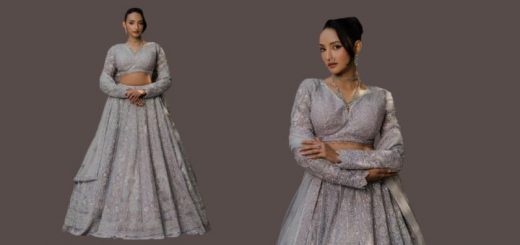
Deciding between a Sharara vs Lehenga isn’t just about the silhouette; it is about how you want to experience the night. For a Sangeet, arguably the most high-energy event of any wedding, your outfit can either fuel your fun or totally dampen it. Here is why I ditched the heavy skirt and why a Sharara Suit for Sangeet is the smartest move you can make.


The Mobility Factor: Can You Actually Dance?
A Lehenga is stunning, but it’s basically a giant bell you have to navigate. If you are a bridesmaid, Sangeet night is 90% movement. You’re running to the stage and doing hook steps to Bollywood hits. The volume of a massive skirt can be a total nightmare in tight spaces.
When I tried on a Sharara Suit, the difference was massive. Because it uses flared trousers instead of a single skirt, you get that “oomph” without the fear of tripping over your own hem. You get the drama of a wide flare, but since the legs are divided, your range of motion is doubled. For Sangeet Outfit Ideas that let you actually jump and spin, the Sharara is the undisputed winner.


The Style Evolution: Sharara vs Lehenga
There is a misconception that a Lehenga is always “more grand.” A decade ago, maybe, but the modern Sharara Suit has had a massive glow-up. Designers now use heavy Zardosi, intricate sequins, and lush fabrics like velvet that rival any bridal skirt.
In the battle of Sharara vs Lehenga, the Sharara wins on the “cool girl” factor. It feels contemporary and fashion-forward. While everyone else wore the standard skirt-and-blouse combo, my Sharara Suit for Sangeet stood out because it felt intentional. Plus, the double-flare at the knees creates a rhythmic sway during a dance performance that a heavy skirt just can’t replicate.
Versatility for Future Wedding Guest Outfits
I hate the “one-and-done” syndrome of ethnic wear. We have all bought a heavy Lehenga that is so recognizable it sits in a box for years because we can’t figure out where else to wear it.
A Sharara Suit is a masterclass in versatility. You can take those heavily embellished bottoms and pair them with a sleek silk shirt for a cocktail party, or wear the Kurti with straight pants for a smaller Puja. When scouting for Wedding Guest Outfits, you have to think about “cost per wear.” Investing in a Sharara means getting separates you can actually style in different ways for future events. It’s a sustainable way to build a festive wardrobe.


Comfort is the Ultimate Luxury
I’ve spent too many weddings holding up a heavy skirt with one hand while balancing a plate of kebabs in the other. It’s exhausting. The weight of a can-can can literally bruise your waist by the end of the night.
Choosing a Sharara Suit meant I could actually breathe. Most are fitted with elastic or a simple drawstring, and the weight is distributed across two legs rather than pulling on your hips. For Wedding Guest Outfits, comfort shouldn’t be an afterthought. If you’re comfortable, you’re confident, and you’ll look better in photos anyway. I didn’t worry about a slipping dupatta; I just felt like a relaxed version of myself.
Strategic Layering and Accessories
The Sharara Suit for Sangeet also makes accessorizing a breeze. With a Lehenga, you are often restricted by a heavy blouse and a dupatta that must be pinned perfectly to stay put. It can feel very rigid and stiff.
With my Sharara, I went with a short Peplum-style Kurti, so I didn’t even need a dupatta to feel “complete.” This is a game-changer for the dance floor. I draped it for photos and ditched it once the DJ started. You can’t really do that with most traditional Sangeet looks without feeling like something is missing. For low-maintenance, high-impact Sangeet Outfit Ideas, this is the way to go.
Breaking the Tradition
There is something satisfying about bucking the trend. At the Sangeet, 80% of the girls were in some variation of a skirt. By choosing a Sharara Suit, I brought back vintage Bollywood glamour: that 1970s vibe but with a sharp, modern edge.
In the Sharara vs Lehenga debate, don’t let “tradition” bully you into a heavy outfit you’ll want to rip off by midnight. The Sharara is a high-fashion alternative that respects the dress code while letting you actually enjoy the party.


Conclusion
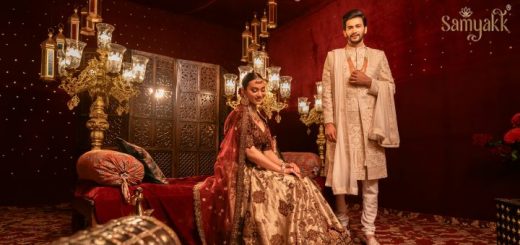
Picking Wedding Guest Outfits is always a balance between looking your best and being able to function. For a Sangeet, function is just as vital as form. My Sharara Suit for Sangeet allowed me to be the first one on the dance floor and the last to leave, without a single wardrobe malfunction. If you want a look that is stylish, comfortable, and incredibly easy to repurpose, look no further than the curated collections at Samyakk. Their range proves you don’t need a heavy skirt to be the star of the night.
Frequently Asked Questions (FAQs)
Is a Sharara Suit formal enough for a Sangeet?
Absolutely. If you choose rich fabrics like silk or georgette with heavy embroidery, it is just as grand as any other outfit.
Which is better for shorter heights, a Sharara or a Lehenga?
A well-fitted Sharara Suit can make you look taller by creating a continuous line of color, whereas a heavy skirt can sometimes overwhelm a smaller frame.
Can I wear a Sharara if I’m not part of the immediate wedding family?
Definitely. It is actually the perfect middle ground for a guest because it looks high-effort and polished, but it doesn’t feel like you are trying to outshine the bride in a massive skirt.
Also Read:-
The Complete Guide to Washing and Caring for Premium Silk Sarees