Lehenga vs. Chaniya Choli vs. Ghagra Choli: What’s the Actual Difference?
Traditional Indian attire is both extravagant and unique due to the variety of clothing styles in India based on different cultural backgrounds. Some of the most favourite traditional Indian clothing worn by women are the Lehenga, Lehenga and Choli, Chaniya and Choli, and Ghagra and Choli. Although many people use the names interchangeably in modern discussions of fashion, they are not necessarily the same. Each type of clothing has its own cultural contribution, different styles associated with it, and a traditional meaning. This article will help you understand the differences between all four types of Indian traditional sarees, as well as help eliminate the confusion caused by these variations in design when searching for attire to wear to either a special occasion or as an everyday wear item.
What is a Lehenga?
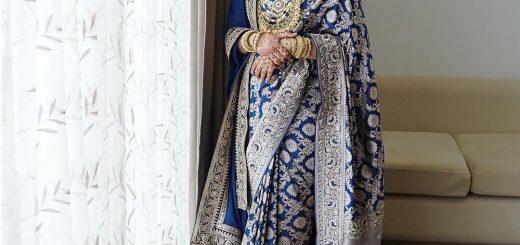
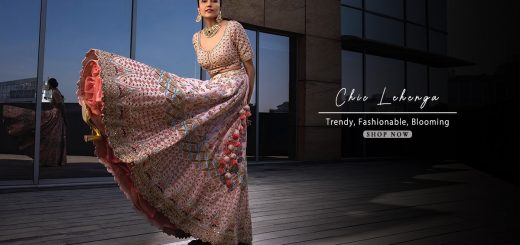
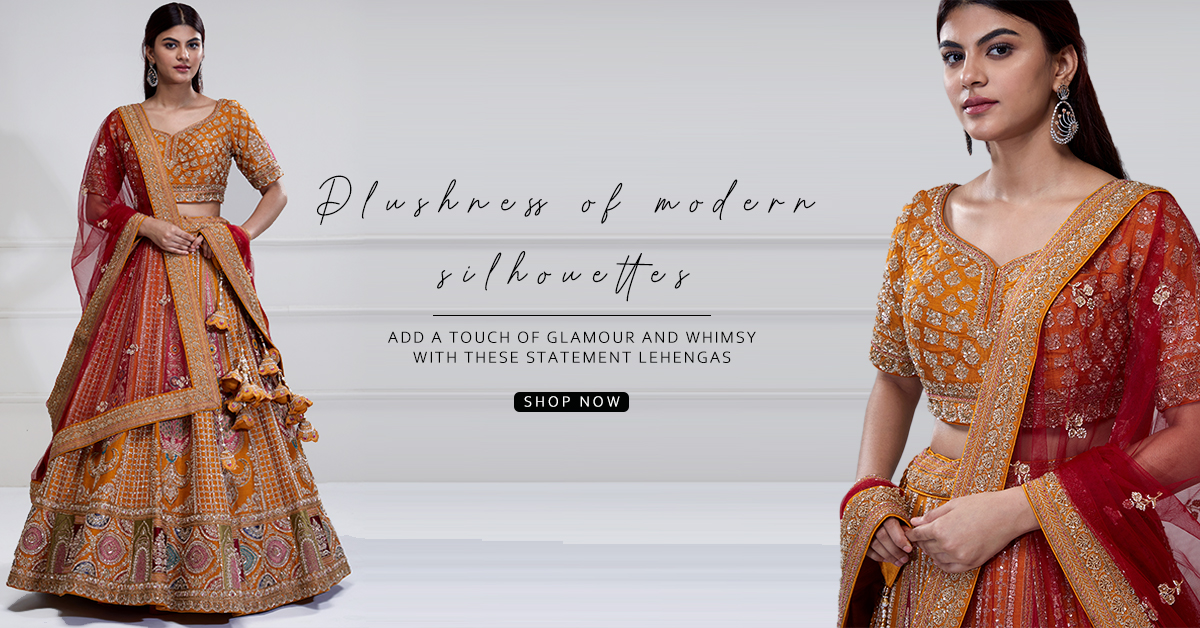
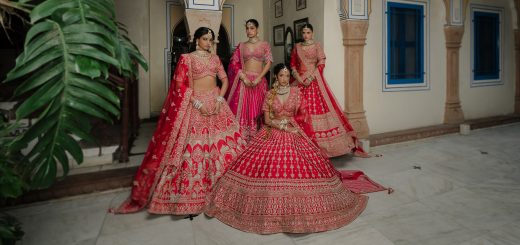
The lehenga is a long, flared, traditionally Indian skirt that features as part of a 3-part ensemble. One of the most recognizable, elaborate, and traditionally Indian garments, the lehengas are most commonly worn by women at weddings or other occasions when they want to celebrate with family and friends.

Key Characteristics of a Lehenga:
- A lehenga generally consists of a long, either embroidered or printed, skirt.
- A choli (or blouse) to cover your torso, and
- A dupatta or scarf that you wear draped over your shoulder, usually going down your back.
Lehengas can range from very ornamented to very plain, depending upon the occasion for which they are worn.
Lehengas are extremely popular throughout all of India, but can primarily be found in Northern India.
As a category of dress, rather than a dress style, a lehenga is considered the main part of the dress style called lehenga choli; therefore, the lehenga is the skirt portion of this type of ensemble.
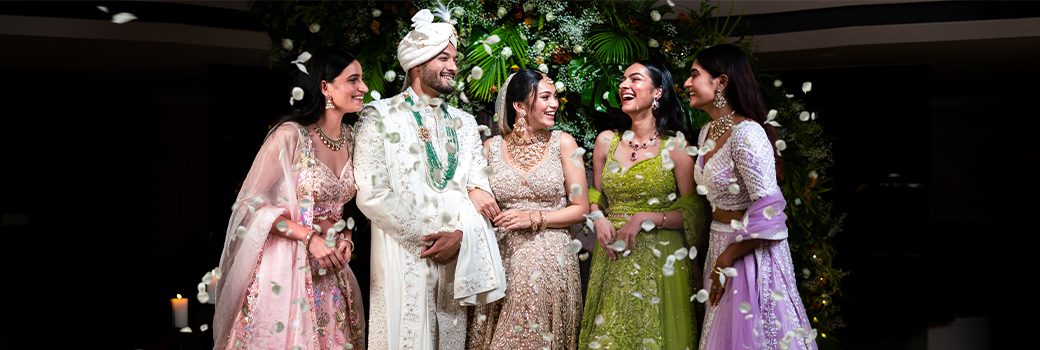
Although contemporary fashion designers all over the world have started to make different styles of lehengas using many different fabrics, including satin, velvet, chiffon, and netting, lehengas are most frequently worn by brides and bridesmaids because of their regal appearance.

2) What is the Lehenga Choli?
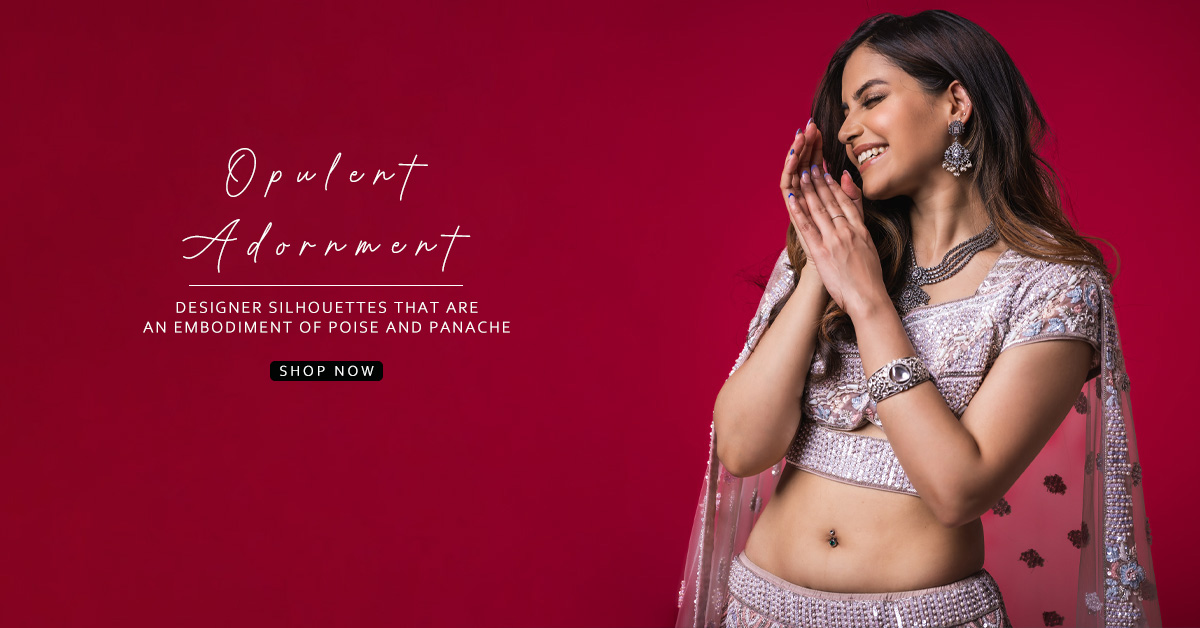
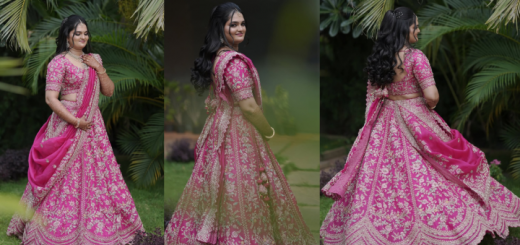
A Traditional Indian Attire The Lehenga Choli consists of three components: the Lehenga (Skirt), Choli (Blouse/Fitted Top), and Dupatta (Scarf/Stole), laying out an entire traditional Indian Outfit.
Key Features of the Lehenga Choli: The Lehenga Choli is a coordinated three-piece ensemble, which is worn throughout India, especially for weddings, festivals, and celebrations, and has multiple different styles that can be created with it. In general, the Lehenga Choli has a huge range of options from heavily embroidered bridal style Dresses to lightweight festive Clothing.
The Lehenga Choli Outfit is the most recognised version of the Lehenga Daress and forms the bulk of all Bridal Fashion. It is also the most popular Dress for Grand Celebrations such as Weddings, Navratri, Diwali, and engagements.
Cholis are usually fitted with some cholis being created in a variety of modern styles, such as off shoulder, halter neck, or backless, depending on the style of the day. The Dupatta adds an element of grace and traditionalism to the overall Outfits.
For this reason, when people use the term “lehenga” when talking in everyday conversation, they are likely referring to the Lehenga Choli Ensemble.
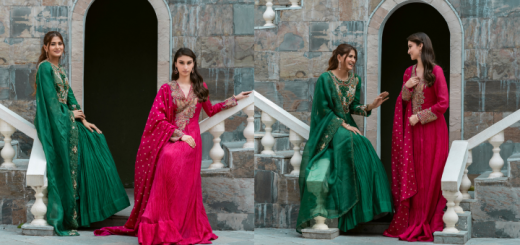
The Ghagra Choli outfit resembles the Lehenga Choli in form and style; however, it is much more closely associated with specific geographic areas such as Rajasthan, Gujarat, and the northern parts of India (Himachal Pradesh, Punjab, etc.)

The components of the Ghagra Choli are:
- Ghagra– A long, flared skirt or full-length voluminous skirt worn with a long top, and is usually held up at the waist with a drawstring.
- Choli– A blouse that can be short or long and is fitted closely to the body.
- Dupatta– A long scarf-like garment that is optional to wear but is frequently used with both the ghagra and choli.
While the lehenga choli is a more traditional and regional version of the ghagra choli, the use of various fabric types for both outfits ( cotton or silk material for the ghagra choli) contributes to the overall appearance of a ghagra choli, and the festivals, Garba and Dandiya Garab ( Navratri ), are traditional or folk dance festivals that take place during the fall festival. As a result, ghagra cholis have a cultural significance for both their use in traditional celebrations and as a reflection of women’s identity/heritage in rural and traditional settings.
To distinguish between the use of ghagra choli and chaniya choli, the chaniya choli has the same overall components (as referenced earlier), but the association of chaniya choli is more closely related to the Garba for festivals of Gujarati people than for the other Indian cultures that wear ghagra cholis.


Chaniya Choli Characteristics Features:
- Chaniya (flaring skirt similar to ghagras)
- Choli (Blouse)
- Dupatta or Odhni ( traditional scarf)
Chaniya choli has several distinctive features:
It incorporates heavy mirror work, embroidery, and is created in very bright colours.
It is made from lightweight fabric so that it is possible to wear the costume for long hours while dancing.
There is a strong cultural connection between the chaniya choli and traditional Gujarati clothing.
A chaniya choli is more than just an outfit; it is a festive identity for Garba, and therefore, during Navratri, all the ladies and girls in Gujarat will wear their chaniya choli whilst dancing with their friends at large events.
Unlike bridal lehengas, the chaniya choli is playful, bright, and rhythmic. The bright colour combination and playfulness of the design reflect the energy of all the festivals going on around them. In contrast, the purpose of the bridal lehenga is to create an image of Grandeur.


At first glance, these outfits appear similar, but they do in fact vary according to their origin (culture), purposes, and styling.
Origin of Culture
- Lehenga Choli: Commonly worn throughout India, widely worn in northern India and central India
- Ghagra Choli: Worn predominantly in Rajasthan and surrounding areas
- Chaniya Choli: Typical of Gujarat
Purpose of Wear
- Lehenga Choli: A type of outfit commonly associated with celebrations, weddings, and parties
- Ghagra Choli: Worn primarily for folk festivals, rural celebrations, and dance performances
- Chaniya Choli: Worn specifically for Navratri celebrations and garba/dandiya nights
Fabric and Design of the Outfits
- Lehenga Choli: Luxe materials such as silk, netting, and velvet; embellished and detailed heavy embroidery
- Ghagra Choli: Cotton, silk, and embellished with traditional Indian printing; decorated with embroidery representative of different regions of India
- Chaniya Choli: Brightly colored materials, embellished with mirrors, and made with lightweight fabric.


Style and Fashion Trends
- Lehenga Choli: Fusion style of designer wear and modern-day
- Ghagra Choli: Traditional garments found in representative areas
- Chaniya Choli: Fashionable for festive occasions (dance) and colorful
Why Traditional Indian Attire Still Holds Up Today
Despite the omnipresence of global fashion trends that might overshadow or render traditional Indian attire out of date, traditional garments (such as lehengas, lehenga cholis, chaniya-cholis, and ghagra-cholis) continue to be just as relevant now as they were centuries ago. Here are some reasons why:
Cultural pride
Traditional Indian attire represents a strong connection to the rich cultural heritage of India, as well as to the various regions within the country.
Fashion evolution
Contemporary Indian designers have modernized the traditional two-piece lehenga choli silhouette by incorporating contemporary cuts into the same design; thus, it has created appeal to younger generations.
Festival significance
It isn’t possible to complete an Indian festival or wedding without ethnic or traditional Indian attire, and ethnic/traditional Indian garments are still an integral part of celebrations held during Indian festivals or weddings.
Versatility
Ethnic/traditional Indian garments are suitable for all types of celebratory occasions (i.e., heavy bridal wear for weddings and light-weight reproductions of festival-wear).


Conclusion
Although lehengas, lehenga cholis, chaniya-cholis, and ghagra-cholis may appear to be similar, they do possess their own distinct identities stemming from India’s geographical diversity of culture. The lehenga choli is the most universal and ahead-of-the-trend ensemble among all these traditional Indian garments; however, the ghagra choli and chaniya choli reflect much deeper-rooted regional traditional cultures and celebrations. Being aware of the differences between lehengas, lehenga cholis, chaniya-cholis, and ghagra-cholis not only ensures that you select proper attire suitable for any occasion but also allows one to recognize and celebrate the diversity of culturally rich origins of design behind each garment. Regardless of whether you are attending a wedding or would like to wear a traditional outfit to participate in the festivities held during Navratri, these traditional Indian garments will continue to convey and evoke the message of value in rich cultural heritage, skilled artistry, long-lasting beauty, and craftsmanship.
Frequently Asked Questions (FAQs)
Is there a difference between a lehenga and a ghagra?
While both garments could be considered a type of skirt, one represents the modern designer festive wear (lehenga) while the other (ghagra) is more traditional and has been worn in various regions across India since ancient times (and especially in Rajasthan).
Is it possible to wear a chaniya choli when it is not Navratri?
Yes. Chaniya choli can be worn anytime, but typically people tend to wear them predominantly around Navratri. Light versions of chaniya choli can also be used for cultural celebrations, dance events, and other celebrations, as long as they are appropriate for the occasion.
Also Read:-