Kanchipuram vs. Paithani: Which Saree is Called the “Queen of Silks”?
Hello, lovers of heritage fashion! If you are currently curating your bridal trousseau or simply looking to invest in a timeless, heirloom-quality masterpiece, you have likely found yourself caught in the ultimate ethnic wear dilemma. When it comes to the absolute pinnacle of luxury silk, two legendary weaves stand shoulder-to-shoulder, both demanding the royal spotlight.
But between the majestic drapes of the South and the vibrant threads of the West, which one truly deserves the crown? Let’s unravel the threads and settle the debate between Kanchipuram and Paithani silks.
Which Saree is the True “Queen of Silks”?
If you are wondering which weave officially holds the title, the truth is a beautiful tie. Both the Kanchipuram saree from Tamil Nadu and the Paithani saree from Maharashtra are historically and culturally revered as the “Queen of Silks.”
Kanchipuram earns the title through its exceptionally durable mulberry silk and thick, pure gold zari borders. Meanwhile, Paithani claims the crown through its ancient, intricate tapestry-weaving technique and mirror-like glossy finish. Both are undisputed royalty, but they bring entirely different aesthetics to your wardrobe.


The Kanchipuram Saree: Cinematic South Indian Royalty
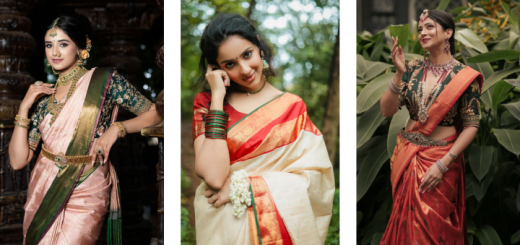
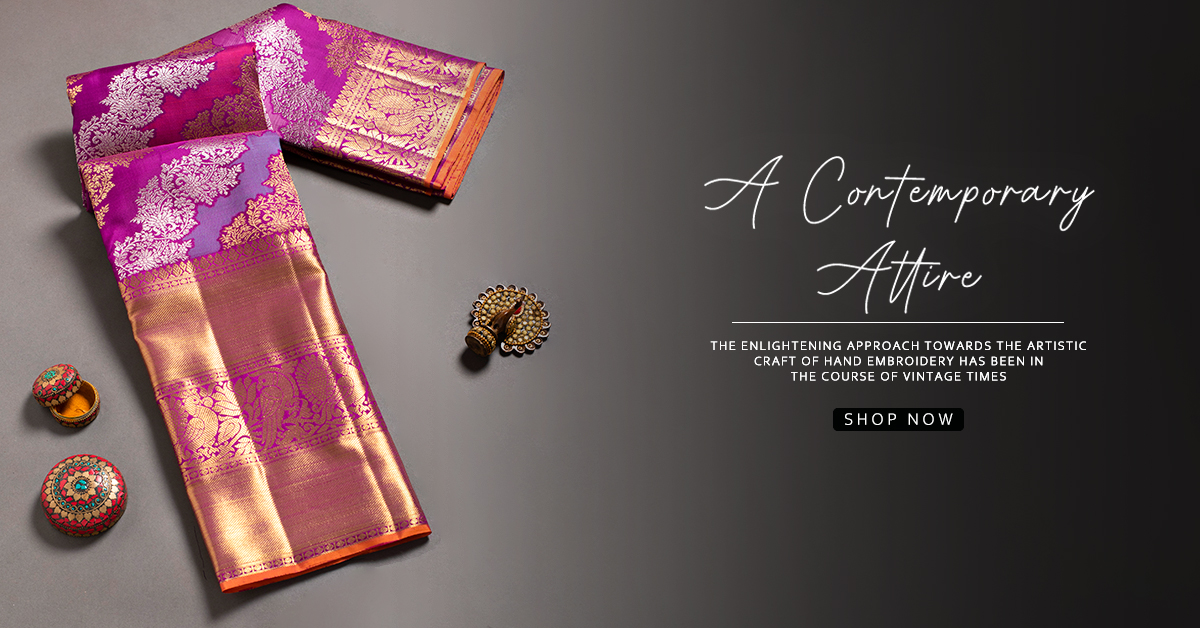
Stepping into a pure Kanchipuram silk is like wearing a piece of architecture. Woven in the temple town of Kanchipuram, these sarees are the definition of high-end, classic luxury.
- The Drape & Feel: Kanjeevarams are renowned for their weight and stiffness. The mulberry silk threads are traditionally dipped in rice water, giving the fabric a structural, cinematic drape that holds its pleats flawlessly all day.
- The Signature Look: You can spot a Kanchipuram by its contrasting borders, woven separately and locked together using the Korvai technique.
- The Aesthetic: If your personal style leans toward clean, bold, and majestic—think striking jewel tones, traditional temple (gopuram) motifs, and deep, lustrous metallic borders—this is your ultimate match. It pairs beautifully with a minimalist heritage backdrop and traditional gold jewelry.

The Paithani Saree: The Woven Jewel of Maharashtra
If Kanchipuram is structural luxury, Paithani is fluid art. Originating over 2,000 years ago, this saree is the beating heart of Maharashtrian weddings and celebrations.
- The Drape & Feel: Paithani sarees have a distinctively smooth, almost mirror-like finish. They are incredibly soft against the skin and flow beautifully.
- The Signature Look: What makes a Paithani extraordinary is its tapestry weave. The designs are woven directly into the fabric, meaning the saree looks identical on the front and the back. There are no loose threads to be found!
- The Aesthetic: Paithanis are famous for their oblique square borders and heavily detailed pallus featuring nature-inspired motifs like the Munia (parrot), Mor (peacock), and lotus vines. If you love a vibrant, colorful, and richly detailed look, the Paithani is a showstopper.

Quick Comparison: Kanchipuram vs. Paithani
When you are deciding which masterpiece to add to your collection, seeing the distinct features side-by-side can make all the difference. While both sarees share a royal pedigree and are crafted with impeccable precision, their textures, weaving methods, and overall visual aesthetics tell two completely different stories. Here is a breakdown of the defining elements of each weave to help you choose the perfect drape for your styling vision.


The Kanchipuram (Kanjeevaram) Saree
Known for its architectural grandeur, this South Indian staple is perfect for those who appreciate a sharp, structured silhouette. Its dense silk and metallic zari catch the light beautifully, making it an absolute dream to photograph, especially when styled against warm, neutral heritage backdrops that let the classic jewel tones pop.
- Origin: Tamil Nadu (South India)
- Texture: Thick, heavy, and crisp
- Weaving Technique: Korvai (interlocking border and body)
- Signature Motifs: Temple borders, checks, coins, mythical birds
- Best Suited For: A structured, majestic bridal or festive look

The Paithani Saree
In contrast, this Maharashtrian marvel is all about fluidity and uninterrupted, colorful artwork. The ancient tapestry weaving technique ensures the vibrant threads and gleaming golden elements lie completely flat and smooth, offering a continuous, flawless finish that looks stunning from any angle.
- Origin: Maharashtra (West India)
- Texture: Smooth, glossy, and fluid
- Weaving Technique: Tapestry weave (identical front and back)
- Signature Motifs: Parrots, peacocks, lotus vines, oblique squares
- Best Suited For: A vibrant, artistic, and colorful festive look

The Verdict: Which Queen Should You Choose?
Ultimately, choosing between these two queens comes down to the aesthetic you want to create. If you desire a heavy, structured drape that commands attention with bold, contrasting borders, the Kanchipuram is your soulmate. If you prefer a softer, glossier drape with intricate, colorful artwork woven directly into a golden pallu, the Paithani will steal your heart.
Whichever you choose, you are investing in centuries of impeccable craftsmanship. Ready to find your perfect silk? Explore the exclusive, handpicked collection of authentic silk sarees at Samyakk and bring home your very own piece of royalty today.
Frequently Asked Questions (FAQs)
Is a Kanchipuram saree heavier than a Paithani saree?
Generally, yes. Kanchipuram sarees use a specialized silk twisting process and are often treated with rice water, making them noticeably heavier, thicker, and stiffer than the soft, flowing Paithani silks.
How can I tell if a Kanchipuram or Paithani saree is 100% authentic?
For Paithani, look at the reverse side of the pallu; an authentic handwoven Paithani will look exactly the same on the back as it does on the front, with no dangling threads. For a Kanchipuram, check the border joint. An authentic Korvai weave will have a slightly uneven, zigzag line where the contrasting border meets the body of the saree.
Which saree is better for an understated, heritage-inspired aesthetic?
If you prefer a refined, minimalist heritage look, opt for a solid-colored Kanchipuram saree with a medium-sized, classic gold border. The clean lines and structural drape offer a beautiful, understated elegance.
Can I wear a Paithani saree for a South Indian wedding?
Absolutely! While it is traditionally a Maharashtrian staple, the rich colors and pure gold zari of a Paithani make it perfect for any high-end ethnic occasion across India. Fashion has no strict borders!
Also Read:-
Sherwani vs. Achkan vs. Jodhpuri: What Should the Groom Wear?