The Charm of Pure Silk – Why Banarasi Sarees Are A Must-Have
Hey there! The silk saree enthusiasts! We unfold the world of banarasi sarees for you all over again, but this time it’s more magical, enthralling, and timeless. Let’s not see the silk sarees as clothing alone. It’s a piece of history, and an inseparable love story, too. It’s time to immerse yourself once again in the rich tapestry of history, royalty, and legacy. Here we go with the timeless tale of the elegance and charm of pure silk sarees. Let’s dive into the world of Banarasi silk saree range and explore why they are spellbinding, captivating, and a must-have for every fashion connoisseur.
A Legacy, A Luxury
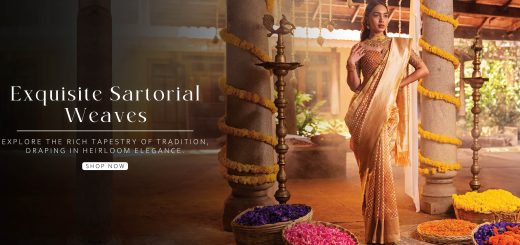
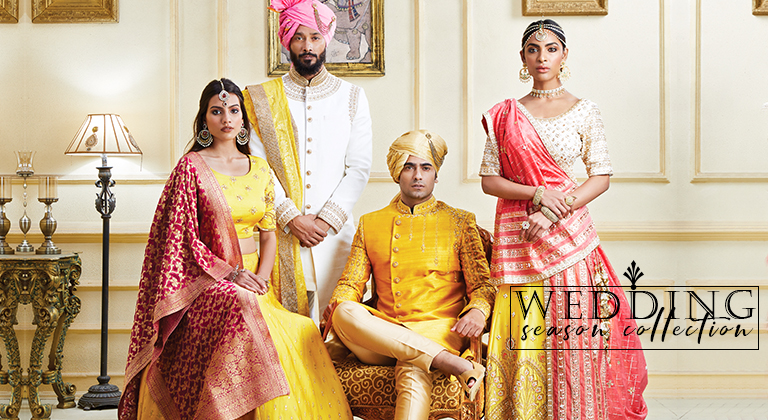
There is a reason that at the heart of every Indian wedding lies a resplendent and rich Banarasi saree. The story of banarasi sarees transcends time and generations. The weaves, the labor-intensive process, and the royalty of the sarees echo through the corridors of history. The threads of pure gold and silver began to show and shine from the Mughal era. The city of Varanasi has been the hub of these masterpieces, where the artisans and craftsmen poured their hearts and souls into every silk saree. Well, it is said that the history of these sarees also spans millennia.


Wedding & Bridal Trousseau
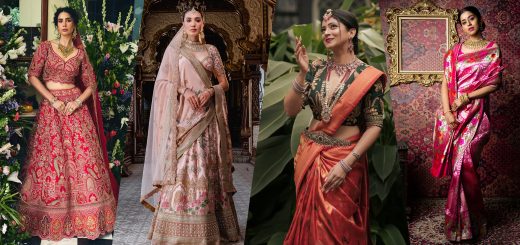
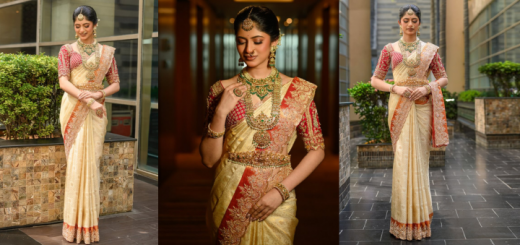
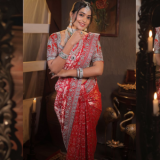
Now, why are these sarees wedding favourites? It’s the exquisite weave, material, and fascinating silk fabric that make the sarees extraordinary and royal. The look, feel, and appeal of the luscious silk crafts beautiful emotions that even words fail to express. Brides rely on these heritage pieces for their new beginnings. They honour the beauty, tradition, culture, and rich history of India through Banarasi silk saree designs. For women, they are beyond the yards of fabric. In a way, they carry the legacy of their ancestors.
The brides build memories, dreams, and aspirations with the elegant banarasi sarees. The vibrant hues, delicate intricacies, feminine details, fine weave, etc, tell a story of heritage, love, and craftsmanship, hence becoming a hallmark for ‘happily ever after’. It’s no wonder that bright and classic sarees are selected for momentous occasions. Every bride-to-be can feel the significance of the cultural sarees that are an auspicious part of their trousseau. The sarees symbolize marital bliss and divinity.


Reverence For Tradition
When a woman selects a banarasi saree, she shows a deep sense of admiration for tradition. The saree is not mere clothing, but a reflection of culture. The patterns, vibrant hues, historic roots, and the labour-intensive weaving done on sarees are pure magic. These factors play a significant role in making sarees traditional and ritualistic. The florals, buttis, paisleys, temples, and peacock patterns on sarees are reflective of India’s diverse culture and heritage. And not to miss the use of gold and silver threads. These fine silk threads symbolize royalty, luxury, prosperity, auspiciousness, and tradition. So, it is not just sarees that are traditional; the craft itself is passed down to generations. The saree also embodies a spiritual connection with the city of Varanasi. The sarees are traditional and symbolic of cultural pride; the reason they are preferred for festivals, family events, and weddings.


Emotional and Sentimental Values
So, why do grandmothers pass these on to the younger generations? They are equal to jewels and gems, symbolizing emotional connection through timeless weave and craftsmanship. They are treasured heirlooms and are significant of family traditions. Grannies cherish these heirlooms for several reasons. The sarees are a way to share their love with daughters and daughters-in-law. Sharing and passing keep the memories of the bright sarees alive. Women take pride in preserving the tradition and passing it to the next generation. Overall, the banarasi silk sarees are a treasure trove of memories. The enduring quality of the sarees also makes them significant for wedding events, rituals, and festivals. The silk sarees are cherished items that build the bridge between the past and the present.


Sustainable Charm
The banarasi silk sarees are not only a perfect blend of tradition and culture but are also a timeless gift for their sustainable charm. Crafted from natural fibers and biodegradable resources, these sarees never go out of style and reflect timeless appeal. The royal sarees reduce the need to replace the sarees. High-quality sarees in banarasi silk last for generations. With proper care, the banarasi sarees become more durable. They are treasured possessions for the low-wastage minimal embellishments. By embracing sustainable silk sarees, women can support eco-friendly fashion and promote traditional craftsmanship at the same time.


Beauty Aesthetics
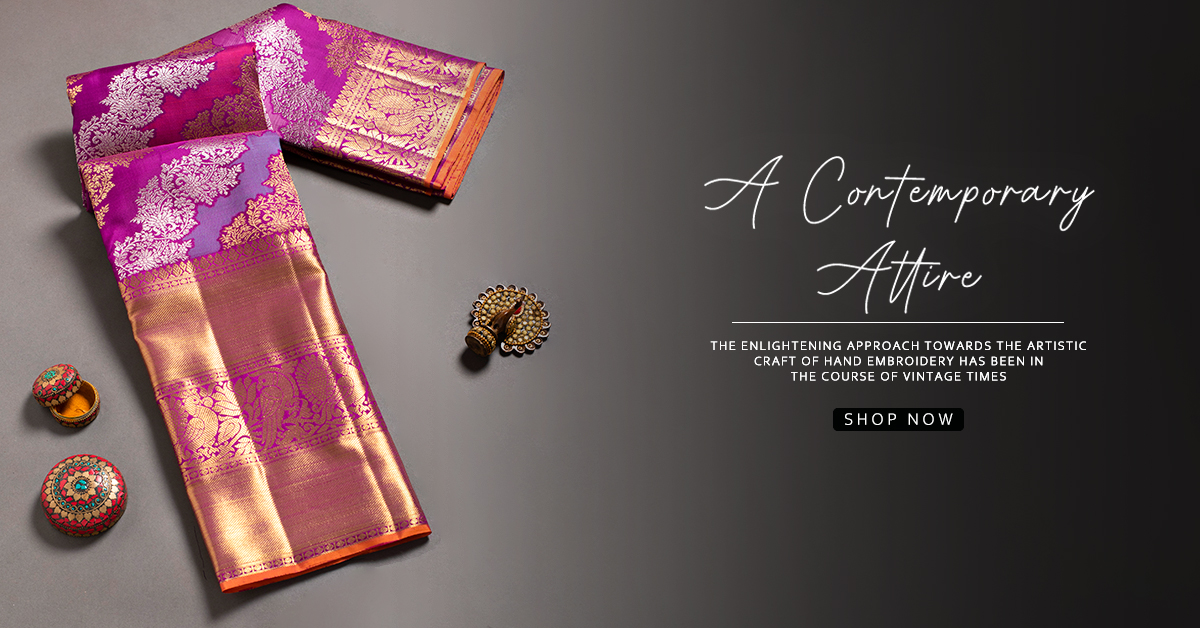
The beauty of the banarasi silk sarees is also rooted in a luxurious blend of Mughal and artistic traditions. The appeal of the sarees comes from the sensuous and soft silk. Vibrant colours, nature-inspired motifs, brocade work, gold and silver thread work, and the use of zari create stunning patterns on the sarees. The fine and shiny work catches the light and makes the sarees one of the most preferred options for weddings and festivals. Intricate weaving techniques like Kadwa and meenakari add to the jewel-like quality of the sarees. Florals, foliate, buttis, wildlife motifs, and paisleys are diverse and symbolic motifs that are a blend of Persian and Indian themes. These beautify the sarees and are central to the beauty of banarasi sarees. This aesthetics evoke a sense of charm and history.


The Evolution & Modern Designs
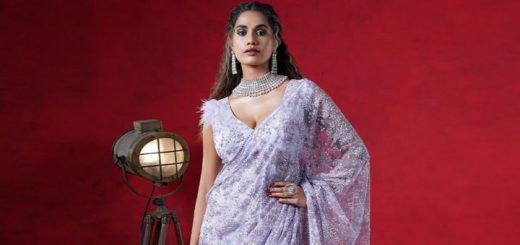
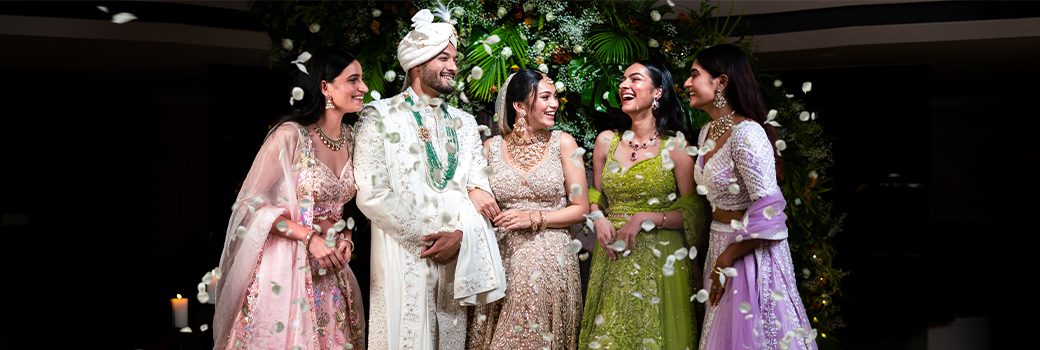
Minimalistic patterns, contemporary motifs, and fusion of styles help banarasi sarees evolve from vintage designs to a versatile range. Young women who wish to move away from heavy brocade work, zari weaves, and very bright shades look for an understated and minimalist range of banarasi sarees. Geometric shapes, abstract prints, and trendy motifs suit modern tastes and comfort. Pastels, neutrals, metallic hues, and dual tones are contemporary colour palettes for a modern and ethereal look at parties, receptions, and destination weddings. The traditional palettes of red and gold have evolved to softer and modern tones.


Innovating Styling
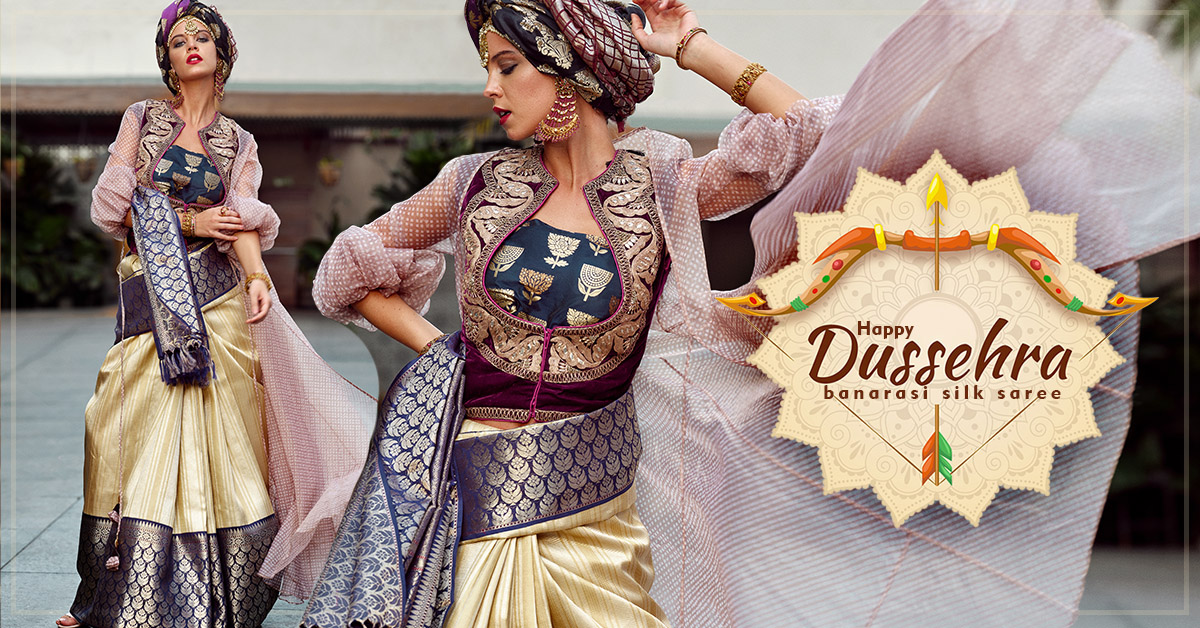
Fusion elements, designer blouses, and creative draping add modern appeal to the classic sarees. The unconventional blouses like crop tops, halter blouses, peplums, and corset designs instantly update the look of the banarasi sarees. Women have started replacing traditional draping methods with Indo-Western styles such as dhoti drapes, pant-style drapes, and more. Embellished capes, belts, ponchos, and jackets are the fusion elements that transform classic sarees into avant-garde ensembles.


Accessorizing Techniques
Bold earrings, delicate chokers, dainty neckpieces, and trendy earrings balance the tone of a vibrant banarasi silk saree. The minimal jewellery and accessories prevent the heavy sarees from being overpowered. Those who favour modern styling go for simple and sleek jewellery and accessories.


There is something special and unique about banarasi sarees. Let the banarasi sarees and silk sarees collection from Samyakk do the talking for the grand weddings, celebrations, festivals, and religious ceremonies. Go for elaborate borders, attractive motifs, and vibrant hues to look like a desi devi on special occasions. The contemporary and traditional banarasi saree designs at Samyakk will leave you spoilt for choice.
Frequently Asked Questions (FAQs)
1. How to Identify a Pure/Authentic Banarasi Silk Saree?
Buyers must look for GI tags and ilk mark labels to distinguish pure and authentic silk sarees from synthetic ones. Authentic sarees have a soft and natural sheen. You can inspect the reverse side of the saree for hand-woven imperfections. No floating or imperfect threads means the saree is not pure.
2. What is the Price Range of Banarasi Sarees?
An original banarasi saree can cost anywhere from Rs 5000 to Rs 300000. The difference in the price is because of factors like material, weaving technique, zari work, and design intricacy.
3. How to Wash and Care for Banarasi Silk Sarees?
As banarasi silk sarees are delicate, opt for professional dry cleaning. In case you are handwashing, use cold water and mild detergents to preserve the fine silk and threads. Use breathable muslin cloth for storage.
4. What Are the Different Types of Banarasi Sarees?
Categorized by fabrics, there are katan, georgette, organza, and shattir sarees. Jangla, butidar, and tanchoi sarees are the types classified by weaving styles. There are different types of banarasi sarees based on modern adaptations and fusion.
5. Why Are Banarasi Sarees So Famous and Expensive?
They are famous due to their rich heritage, timeless appeal, sustainable charm, and beauty. Intricate designs and traditional motifs from the times of the Mughal era make the sarees famous and expensive. And of course, the unique art and luxurious silk fabric justifies the premium quality of the banarasi sarees.
Also Read:-