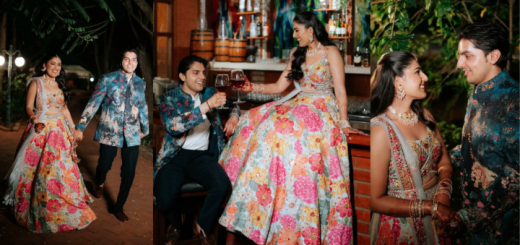
What is a Sherwani? The 2026 Guide to This Regal Indian Outfit
The Sherwani is a South Asian Mens Wear garment that is highly regarded by all the South Asian Males. It has a very structured and regal structure and history, it has been considered as the epitome of classical elegance for weddings and grand occasions. The Sherwani will continue to adapt to the times in 2026, with modern tailoring and new aesthetics while remaining true to its original traditional artisan craftsmanship.
This Sherwani guide is very comprehensive and will cover all aspects of the Sherwani, including how it was founded, its defining characteristics, the latest 2026 Sherwani Trends (styles), and why you need to purchase one for your wedding or as a traditional Men’s Wear clothing purchase.

What is a Sherwani?
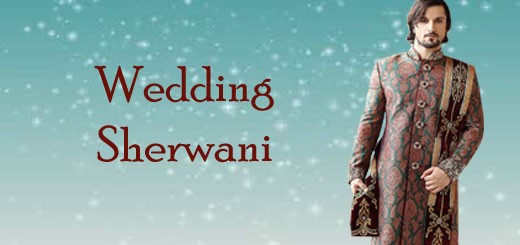
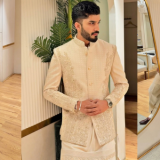
A Sherwani is a long coat-like garment designed to fit closely to the body and is traditionally worn by men from South Asia; primarily India and Pakistan. It is characterized by the following features:
- Structured form-fitting shape
- High and closed neck area (Bandhgala or Mandarin Collar)
- Front opening with buttons
- Knee-length or longer hem line

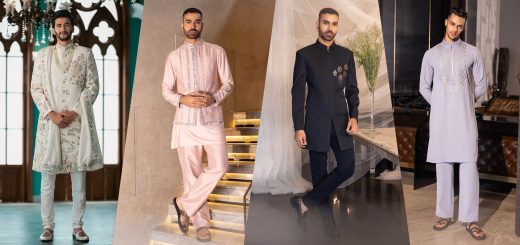
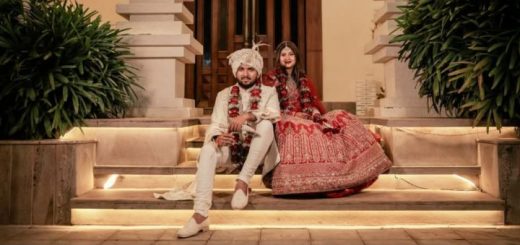
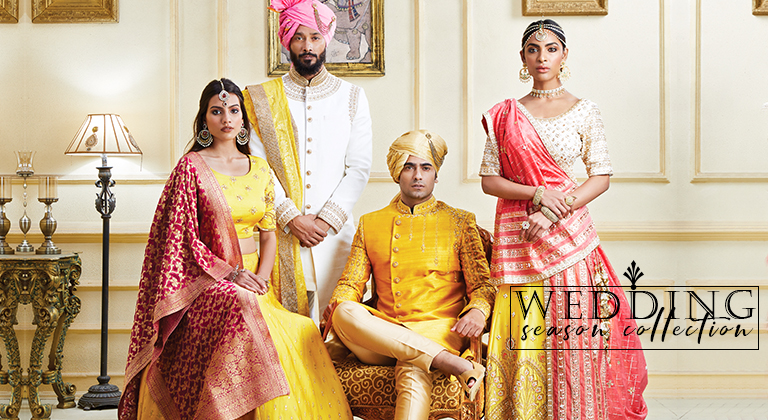
The Sherwani will typically be worn over a Kurta (long tunic) and will be worn with pants that are fitted at the bottom, such as Churidars (tight pants), Pajamas, or Dhoti style trousers. The Sherwani is a very decorative piece of clothing and is made of rich materials & fabrics, heavily embroidered & embellished, and includes many royal details compared to more basic types of traditional garments worn. Over time the Sherwani has become the garment of choice for wedding outfits with the wedding Sherwani being the preferred outfit for grooms.
The Origins and Evolution of the Sherwani
The sherwani has been around since the Mughal period and was originally created from a combination of Persian and Central Asian garments worn by nobility and aristocracy. It was worn at the time of Mughal nobles during their reign over India in the 18th and 19th centuries as an official formal outfit.
When the British began colonising India, elements of European tailoring were introduced into this style of clothing through the use of different styles of cutting/sewing. This added an extra layer of sophistication to the garment making it extremely popular among the elites.
Today the sherwani has gone from the royal court to wedding mandaps and other venues where luxury or high-end events occur; although it has evolved since then it has remained true to its dignified character and remains a staple of South Asian men’s fashion.

Key Features of a Sherwani
Being able to distinguish the unique features of different types of Sherwanis will make it easier for you to select the most appropriate style for your event.

1. Structured Tailoring
Sherwanis are designed with structure in mind, which is one of the main reasons they stand out alongside traditional kurtas. By having a fitted design, Sherwanis have a positive effect on body posture as they give you an air of authority.
2. Luxurious Fabrics
Silk, brocade, velvet, jacquard, raw silk, and Banarasi weave are popular fabrics used in Sherwani creation. The fabric selected for your Sherwani has a huge impact on the level of formality of your outfit, as well as what time of year it can be worn.
3. Embroidery and Embellishment
Many traditional Sherwani designs include a range of beautifully detailed embroidery and embellishments such as zari work, zardozi embroidery, resham (thread) work, mirror detailing, and small stone embellishments. However, many modern Sherwani designs utilize more minimalistic styled designs through textured weaves or subtle tonal embroidery.
4. High Collar/ Bandhgala
Another thing that makes a sherwani what it is, besides the structured tailoring, is the closed neck collar that gives a regal and classy feel to the garment.
5. Accessories to Complement
To complete the whole Sherwani look, you often need to wear an accessory to complement your Sherwani, which may include a stole or dupatta, safa or a turban, a brooch, mojari shoes and some sort of layered mala (neckpiece).
Sherwani for Men: When Should You Wear It?
Men generally wear a Sherwani at special events as well as at ceremonial occasions.
-
Weddings
Usually the most popular type of Groom Sherwani, especially in traditional Jewish, Hindu, Islamic, Sikh, or South Asian weddings.

-
Engagements and Receptions
Pre-marriage functions are usually the most appropriate ones for the modern-style, lighter Sherwanis, generally with very little or no embroidery.

-
Festivals
Holidays such as Diwali, Eid, and family celebrations would be great times to wear less formal Sherwani styles.

Cultural & Formal Events
Sherwanis can also be worn to formal events such as business gatherings and cultural ceremonies.

Groom Sherwani: The Ultimate Wedding Statement
The Groom’s Wedding Sherwani is the one and only time in a man’s life that he will wear a Sherwani, so choosing the best one is extremely important. Why?

Why Sherwanis Are Perfect for Grooms:
- Royal Style – The physical characteristics of this style provide authority & elegance.
- Photo Quality – The structured tailoring helps in producing beautiful wedding photos.
- Culture and Heritage – By following this style, couples pay tribute to their culture and heritage.
- Design Variations – Styles range from ornate looks through the use of embellishments to simple and sleek looks.
By 2026, the trend for personalized grooms wear will continue, given that more grooms want to have their initials, wedding date and some other symbol incorporated into their custom embroidered grooms ‘wear..
Popular Sherwani Designs in 2026
The fashion industry never ceases to innovate and change with each new season. With that said, there are some timeless styles when it comes to traditional wedding attire that continue to have an influence every year. The top five trending Sherwani designs of 2026 include:


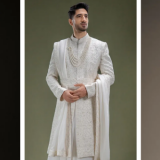
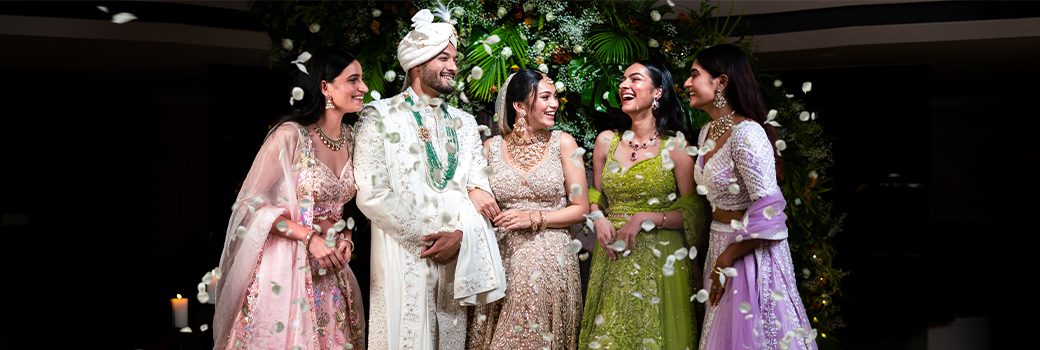
Off-white and ivory are the most classical and timeless shades that can be worn to a wedding. This trend started in 2023 and is still prevalent today as one of the key trends in wedding fashions.
- For a casual nuptial in 2026, pastel hues such as sky blue, sage green, blush pink and lilac will emerge as the preeminent choices among guests.
- Designers have opted for different woven patterns and layered textures to give wedding attire a sophisticated appearance by minimizing embellishment use.
- Wedding fusions have taken to combining traditional designs, such as the Sherwani’s longer hemline and asymmetrical cut, with contemporary elements such as the coat.
- The trend for winter weddings this year is elegantly combining dark jewel tones, such as dark emerald, navy blue and dark maroon.
2026 Sherwani Trends to Watch
The largest 2026 Sherwani trends combine comfort, personalization, and sustainability for grooms to feel good while looking great at their wedding(s).

- Sustainable Fashion: Eco-friendly grooms are opting for handloom and organic silk fabrics.
- Lightweight Construction: Many designers have started using breathable linings in their sherwanis so that you remain comfortable throughout long wedding ceremonies.
- Monochromatic Cohesiveness: Cohesion is achieved by matching the Sherwani, churidar & stole within one color family.
- Statement Accessories: Old World charm is added with antique buttons, layered pearl malas and bold brooches that bring individuality into a traditionally designed outfit.
- Custom Tailoring: Made-to-measure Sherwanis are on the rise to help guarantee the perfect fit at your wedding(s).
Made-to-measure Sherwanis are becoming the norm, ensuring a flawless fit.
Sherwani vs. Achkan: Understanding the Difference
Despite being visually comparable, there are very slight but distinct differences between an Achkan and a Sherwani.
-
Sherwani
More elaborate embroidery and heavier fabrics – generally worn to large celebrations such as weddings.

-
Achkan
More simple designs, lighter fabrics, generally worn in semi-formal settings.

Sherwanis tend to be more ceremonial and are typically what grooms wear for a wedding.
How to Choose the Perfect Sherwani for Men
The selection of the appropriate Sherwani is based on careful evaluation.

1. Venue Selection
Selecting the right venue will determine the shade of the Sherwani. Lighter coloured garments are appropriate for daytime weddings; however deeper hues are more acceptable for evening ceremonies.
2. Fabric Selection based on the Seasonal Type
In warmer months, select breathable fabrics like cotton, while in the cooler months, choose richer fabrics such as velvet.
3. The Fit is Important
A well-fitted sherwani helps accentuate both your body shape and your overall appeal.
4. Bride and Groom Coordination with the Colour Palette.
Coordinating with your bride’s colour scheme creates exceptional wedding photographs.
5. Balanced Accessories

Do not over-add accessories, it is also a matter of taste! An elegant way to complement a Sherwani is by selecting only one type of accessory.
Avoid over-accessorizing ,elegance lies in restraint.
Styling Tips for a Modern Groom Sherwani
- Ivory Sherwanis look impressive when matched with gold or beige Mojaris.
- A pearl Mala gives an elegant and royal appearance.
- Choose a different color or toned stole to tie in with your outfit and add dimension.
- Select a well-cut safa that adds a crisp look to your outfit while highlighting all the detailed embroidery.
- Stay well-groomed at all times for the overall polished look.

Why the Sherwani Remains Timeless
The Sherwani is not only on trend but also represents cultural heritage, legacy, and identity; it keeps evolving but holds onto its historical craftsmanship.
It will continue to define wedding menswear beyond 2026 as it will always be a classic piece that embodies timelessness and sophistication. The Sherwani will always be an incredible statement either with the use of gold thread or with the simple use of pastel shades!

Final Thoughts
A Sherwani is an outstanding long coat-like garment linked with the rich cultural history of South Asia, mainly worn at weddings and other formal occasions, yet beyond its physical features and embroidery, a Sherwani expresses pride, appreciation, and eternal elegance in a man’s formal outfit.
Sherwanis are being re-designed for today’s modern men with new styles to match current trends of 2026 along with new customisation options. Therefore, groom sherwanis today offer the modern everyday man an increased amount of versatility, creativity and detail compared to past generations. A groom selecting the correct groom sherwani will not wear just an outfit when entering into marriage; he will wear the first step in creating his family’s new image as a legacy woven into that piece of fabric.
Frequently Asked Questions (FAQs)
1. What distinguishes a sherwani from a kurta?
A sherwani is a structured coat-type of garment worn over top of the kurta, typically worn for formal events like weddings. A kurta is lighter, simpler and more suitable for everyday traditional clothing or casual festive occasions.
2. Is it possible to wear a sherwani without a turban?
Yes, while the addition of a turban (safa) improves the traditional style of the sherwani, you can wear the sherwani without a turban, especially at receptions or contemporary-themed weddings.
3. How long before the wedding should I purchase my groom’s sherwani?
Ideally, the groom’s sherwani should be finalised at least two to three months before the wedding, so there is enough time for custom tailoring, fittings, and to add any detail to the clothing design.
Also Read:-
Finding the Perfect Lehenga for Summer & Destination Weddings